
Does everyone still remember The Beacon? Do you remember when you could earn money by defeating monsters?
At the end of 2022, the TreasureDAO ecological chain game The Beacon attracted 20,000 players in 9 days and saw 34,000 purchases of its genesis NFTs, igniting the crypto circle and becoming a phenomenon in GameFi.
It has driven the MAGIC token to soar by 200% from the bottom, with character NFT floor prices stabilizing at 20 MAGIC, and rare pet NFTs skyrocketing to a sky-high price of 217 MAGIC, making it a top player in chain games that year.
Three years later, this game that once created a myth of gold mining struggles to escape the predicament of data collapse, reflecting the true ups and downs of the entire GameFi industry.

The explosive popularity of The Beacon is not coincidental, but rather a precise alignment of ecology, gameplay, and timing.
As a core project of TreasureDAO's 'zero financing fair launch', players can stake MAGIC to receive initial assets for free, quickly consolidating community consensus;
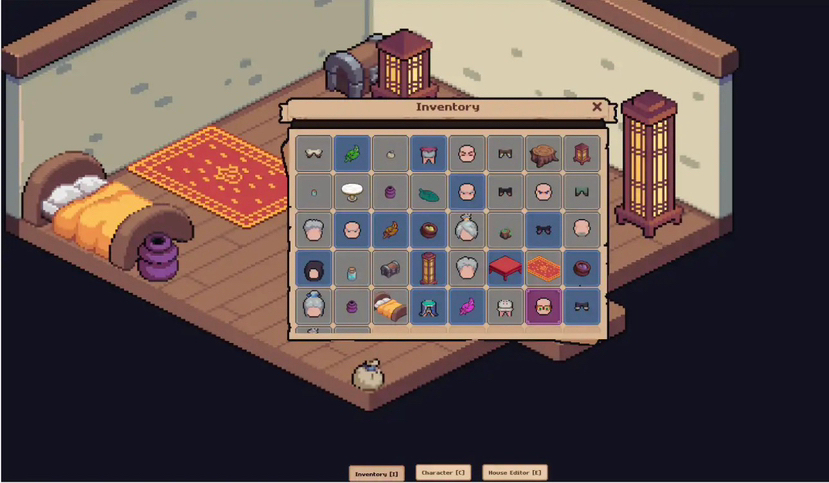
In terms of gameplay, it breaks the traditional chain game's pain point of 'heavy finance, light game', featuring a random dungeon + smooth combat experience, combined with pixel style and a social system, achieving viral spread;
In terms of the economic model, 45,000 character NFTs and 4,096 pet NFTs are fully traded on-chain, with a 7.5% transaction fee sharing creating a profitable closed loop. At the peak in early 2023, MAGIC's market cap exceeded $1 billion, with a single-day trading volume of 5 million MAGIC in the Trove market, and players earning over $10,000 a month at the highest.
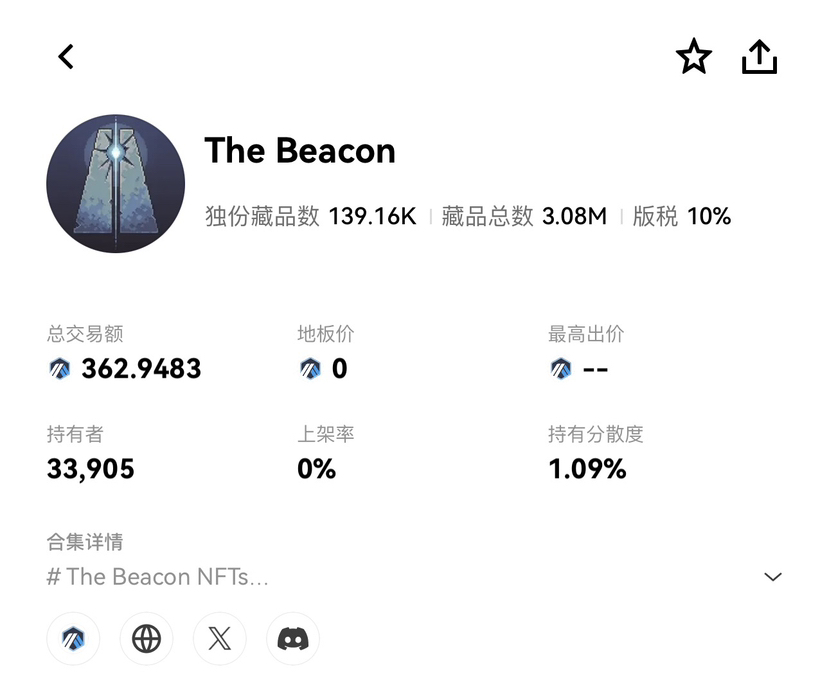
Starting in 2024, the The Beacon ecosystem will cool down comprehensively, with data plummeting from its peak.
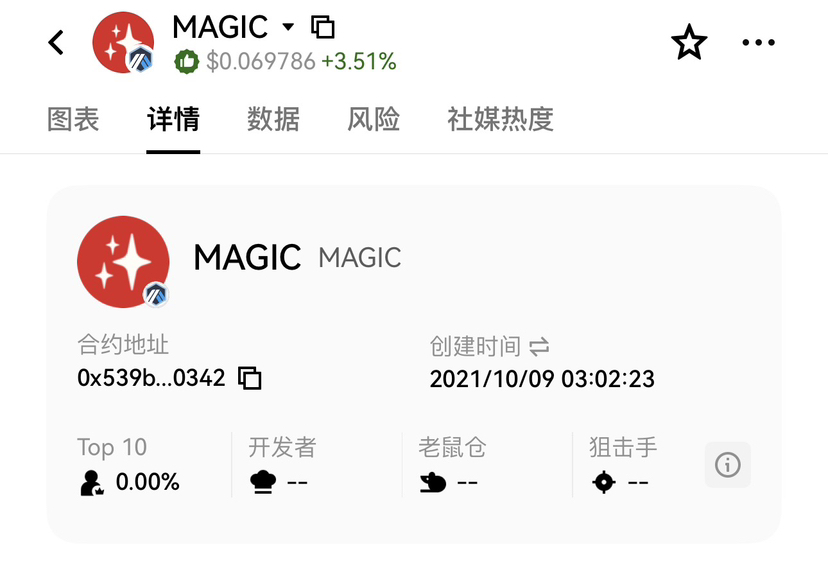
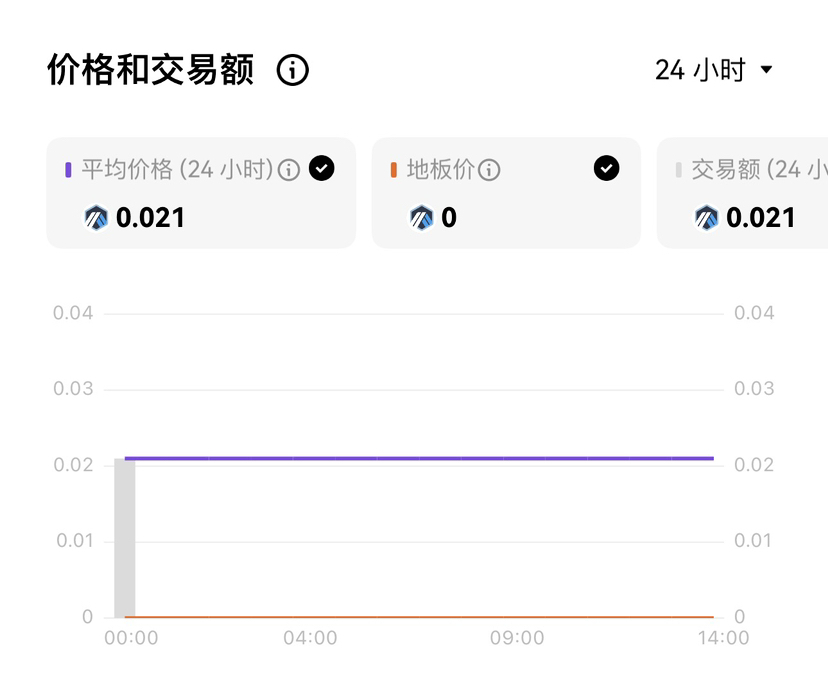
The NFT market is nearly frozen, and by December 2025, the price of MAGIC is only $0.09386, down 80.12% in the past year, with character NFT floor prices around $1.88, plummeting 98.5% from the peak of $126.4, although rare pet NFTs have some premium, the Trove market sees fewer than 10 transactions a day, leading to liquidity depletion.
User activity has plummeted to the bottom; due to a lack of gameplay updates, current daily active users are less than 500, down 97.5% from the peak, with the team challenge feature idle, and gold mining rewards only triggering short-term trading pulses.
The token ecosystem is under pressure, with MAGIC's current market value only $29.79 million, shrinking by over 97%, a 24-hour transaction volume of $265,000, and its market cap ranking dropping to 695th, with over 70% of 412,000 wallet addresses in a loss state.
Faced with the downturn, TreasureDAO has launched a series of self-rescue measures, but has not addressed the core issue. Through the TIP-42 proposal to reform the MAGIC mechanism, mining emissions are shifted to staking yields, transforming the token from 'game rewards' to 'collateral infrastructure';
Promote ecological linkage, allowing The Beacon to connect assets with 18 games; while also reducing the NFT output rate to alleviate oversupply.
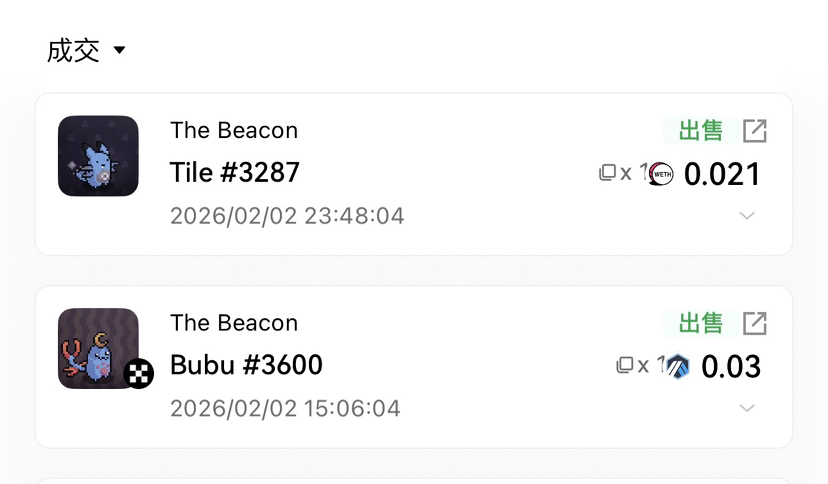
However, these operations have not resolved the core pain point of gameplay lacking substantive updates, with poor ecological linkage effects, and the Trove market trading volume still down more than 90% from its peak, only maintaining basic activity levels in the core community, making it difficult to attract new players.
The future of The Beacon is a microcosm of the entire GameFi industry.
In the short term, if the MAGIC staking mechanism increases token demand, combined with a recovery in the crypto market, experts predict that the price of MAGIC may rise by 19% to $0.1348 in 2026, which may lead to a slight recovery in NFT liquidity.
However, long-term concerns are numerous: a lack of innovation in gameplay, the novelty of the random dungeon mode fading, and no version updates to support user retention; the value of NFTs is deeply tied to MAGIC, with token fluctuations directly affecting asset stability; even the concept of 'Beacon' has cooled, with its technology being replaced by UWB in the IoT field, further weakening traffic support.
Ultimately, the core competitiveness of chain games is the game itself.
The Beacon became popular due to its dual advantages in gameplay and economic model, but has fallen into difficulties due to stagnant gameplay and economic imbalance.
If subsequent updates can introduce substantial gameplay changes while stabilizing the economic model, there may be a chance for a turnaround; if it continues to only make superficial adjustments to the mechanism, it will eventually fade out of the chain game track, becoming a typical case of GameFi's fleeting success.