

The first time you try to explain onchain finance to someone who works in compliance or traditional markets, you usually miss the mark. You talk about speed, global access, and removing intermediaries. They nod politely, but what they are really thinking about is risk. On most public blockchains, every transaction is public forever. Who paid who. When it happened. How much moved. In real financial markets, that level of exposure is not transparency. It is a liability. Trading desks protect strategies. Companies protect shareholder data. Regulators protect sensitive filings. This is the gap Dusk Network is focused on in 2026. Not building louder applications, but building infrastructure that understands how real financial markets actually work.
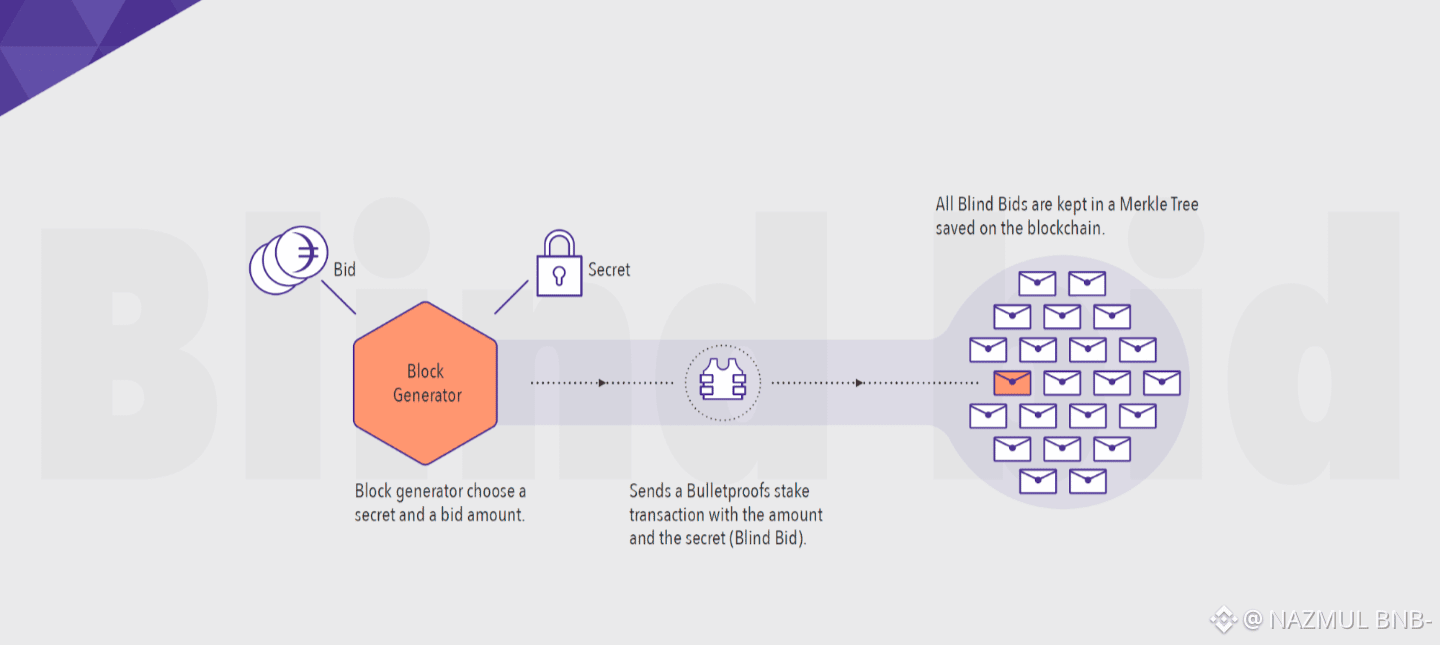
At its core, Dusk is betting that the next phase of crypto adoption will not come from speculative apps or viral narratives. It will come from regulated assets moving onchain. Shares, bonds, private placements, and other financial instruments that already exist inside legal frameworks. For these assets, confidentiality is not optional. Auditability is not negotiable. And compliance cannot be bolted on later. Dusk’s approach is to bake these requirements into the protocol itself. Transactions can remain private by default, while still allowing selective disclosure when regulators, auditors, or counterparties need to verify information. The idea is simple to explain. Think of it like a bank vault with glass walls that only turn transparent when the right authority is present. You keep privacy without losing oversight.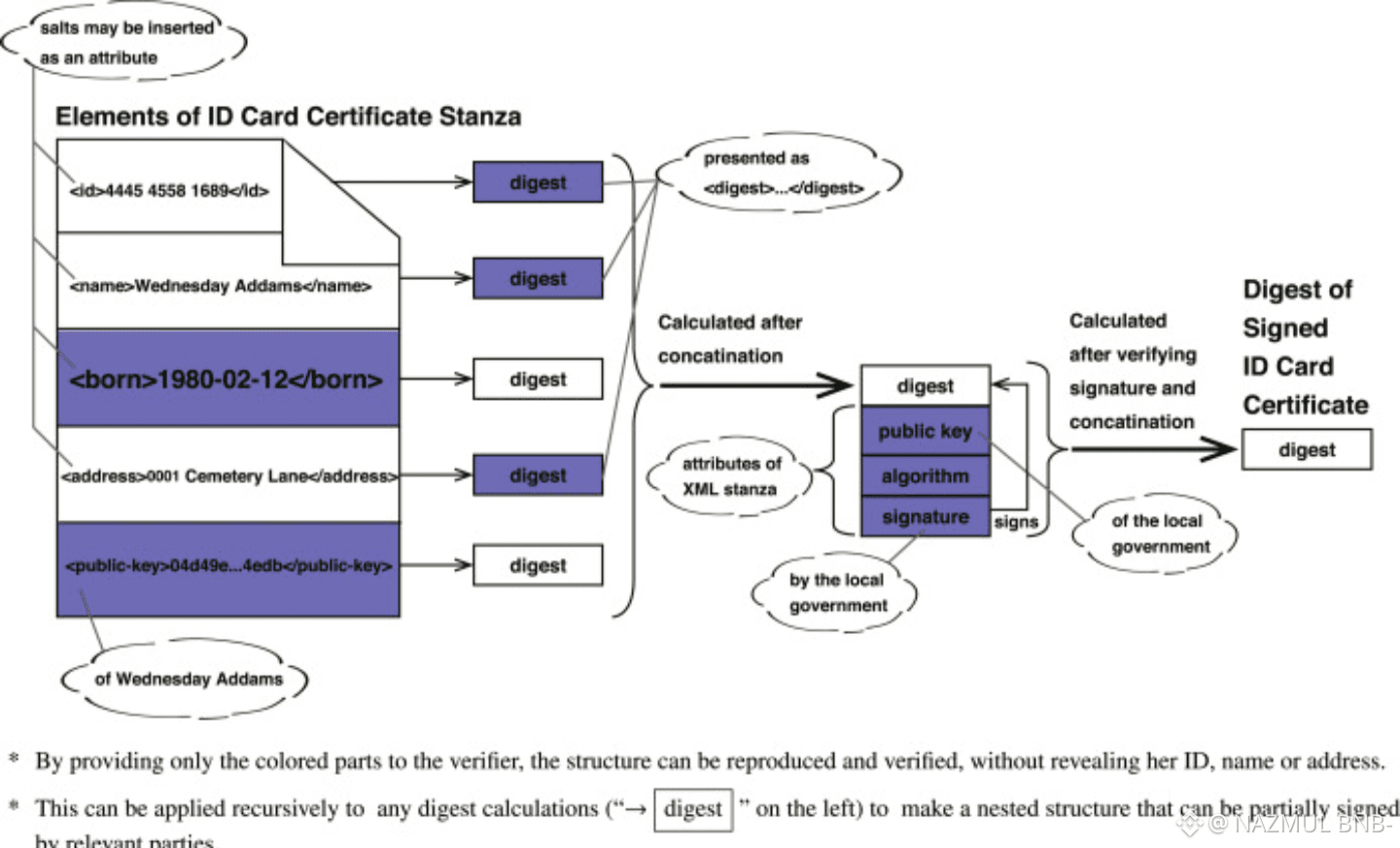
Market data helps frame the context, but it does not tell the full story. As of early February 2026, DUSK is trading like a mid-cap infrastructure token. Prices sit around the ten-cent range, with daily trading volumes that show steady interest but not speculative mania. Circulating supply is roughly half of the maximum, and the market cap places Dusk far from headline projects. That is exactly the point. Dusk is not priced like a narrative leader because it is not chasing narrative momentum. It is positioning itself like plumbing. Invisible when it works, critical when it fails. For infrastructure plays, price often lags reality. Adoption shows up first in integrations, partnerships, and quiet deployments long before charts react.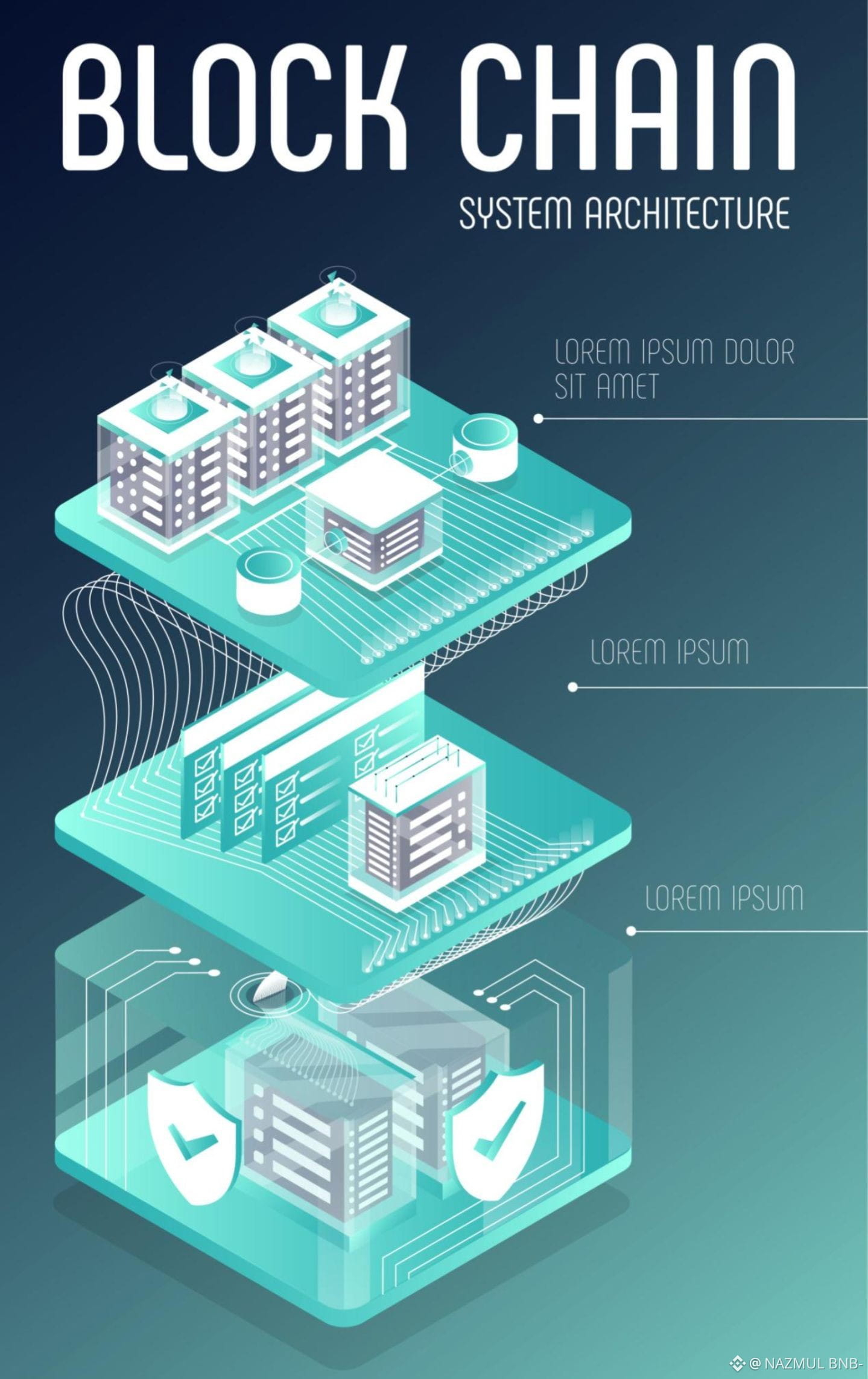
Under the hood, Dusk has been reshaping its architecture to better fit institutional needs. Instead of forcing everything into a single chain design, the network has moved toward a layered model. The base layer focuses on settlement, data availability, staking, and finality. On top of that sits an EVM-compatible execution layer, designed so developers can use familiar tools without learning a new stack from scratch. A separate privacy-focused environment handles selective disclosure and confidential logic. This separation may sound technical, but the benefit is easy to understand. Financial teams do not want custom systems that only one vendor understands. They want setups that feel familiar, integrate cleanly, and can be audited without heroics. By keeping the execution environment familiar and the privacy logic specialized, Dusk lowers the barrier for serious builders.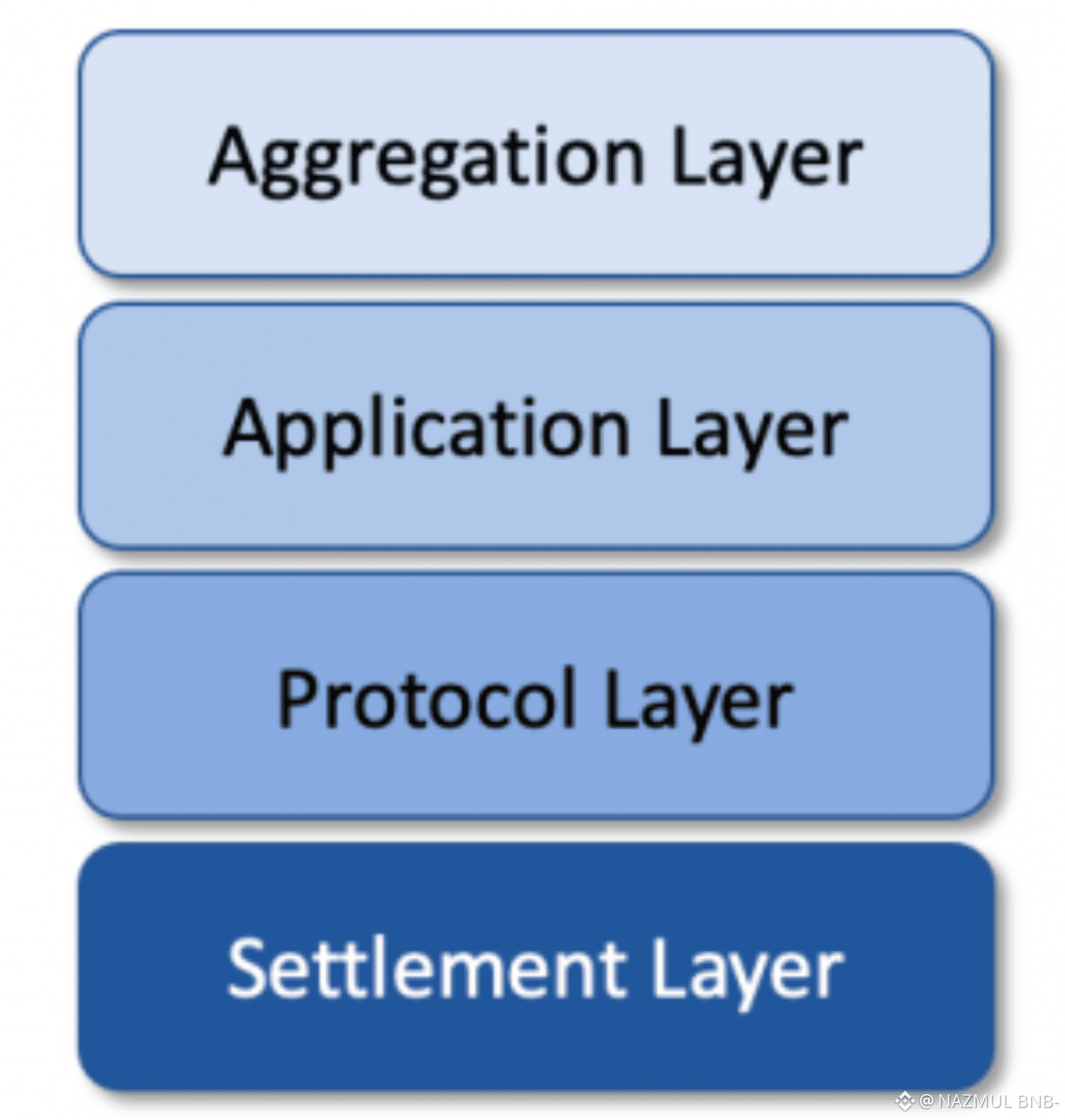
What really signals intent in 2026 is not architecture diagrams. It is counterparties. Dusk has been working with regulated market participants, including a Dutch SME-focused stock exchange operating under national financial supervision. That matters because it shifts the conversation from “could this work” to “how do we deploy this safely.” These venues already operate inside strict rules. They already serve real investors. They already handle real money. By aligning with such partners and using standardized data and interoperability tools, Dusk is trying to make onchain settlement feel less like an experiment and more like an extension of existing market infrastructure. For traders and investors, this is the difference between theoretical tokenization and actual issuance that follows known rules.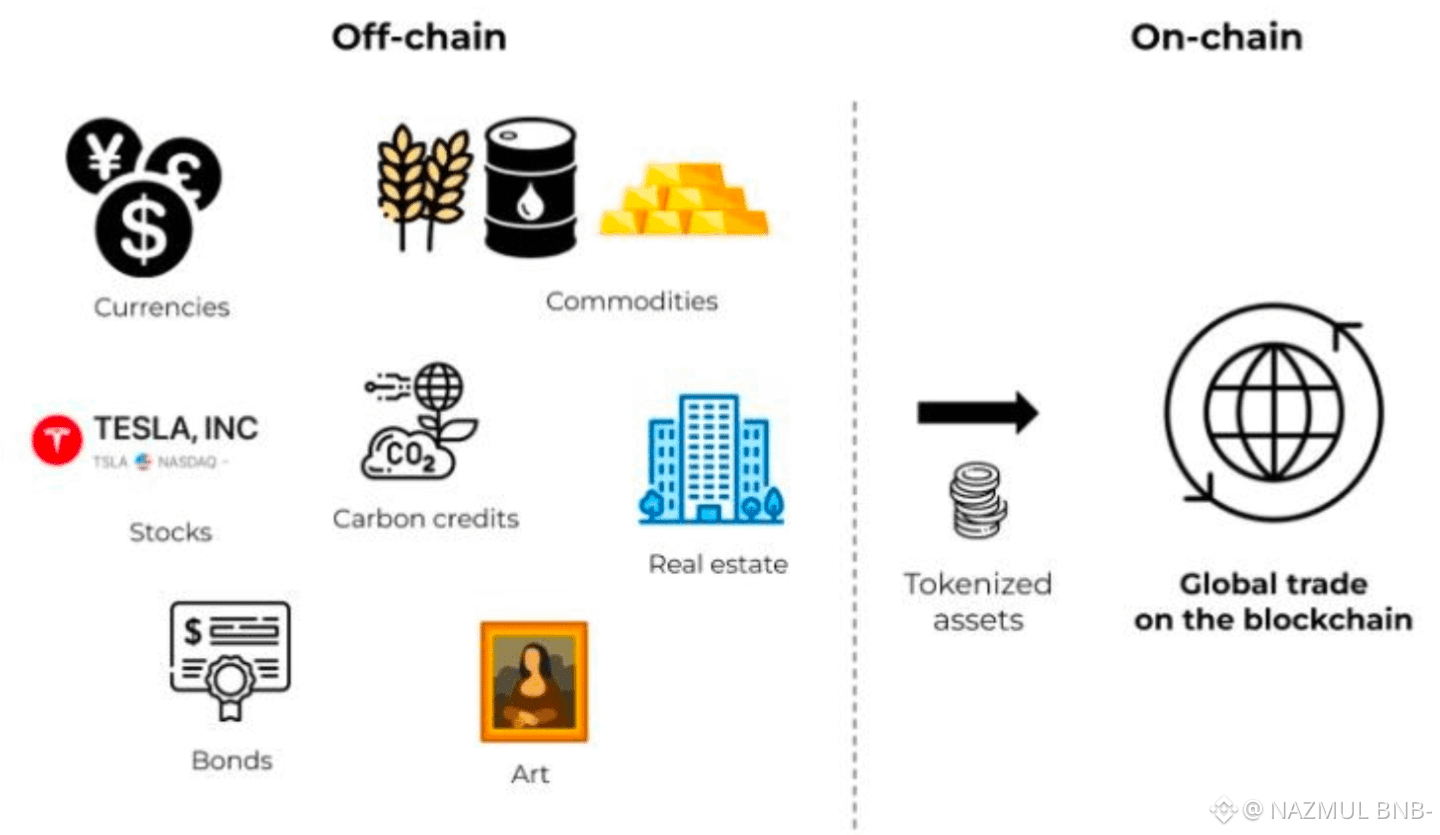
From an investor or builder perspective, the way to evaluate Dusk in 2026 is deliberately unexciting. Look for live regulated assets, not announcements. Check whether market data is verifiable and usable onchain, not just published in blog posts. See if developers can deploy applications on the EVM layer without custom workarounds. Watch whether cross-chain movement and settlement are handled conservatively, with safety prioritized over speed. If these pieces fall into place, usage becomes sticky. Regulated systems do not churn easily once they are integrated. If they do not, then Dusk risks remaining a well-designed protocol with limited real-world activity. Either way, the truth will show up in adoption before it shows up in price. And that, for infrastructure, is exactly how it should be.
