
If you spent last week watching the crypto charts, you probably felt like you were caught in a whirlwind of pure market volatility. We saw Bitcoin’s dominance waver as over $1.75 billion in over-leveraged positions were wiped out in a single afternoon during the Greenland Shock.
If you’ve been following my journey, you know I don’t get distracted by the noise, I look for the signal. Last week was a boxing match with no referee, but the fundamentals are still standing in the center of the ring as we move into February.
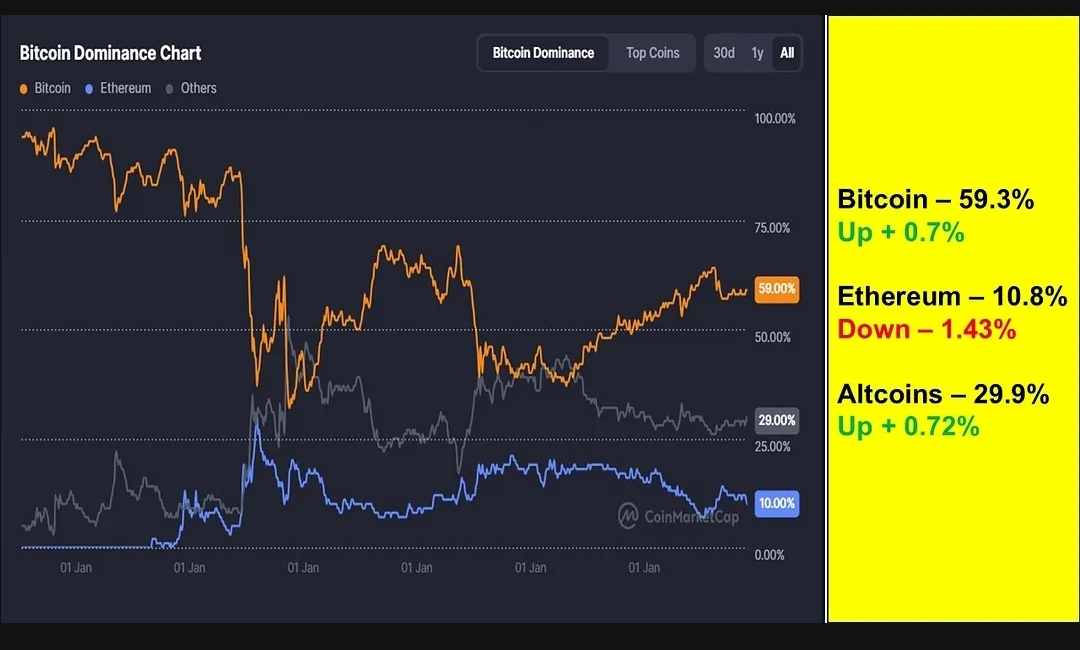
Geopolitics Meets Crypto
The window from January 26 to February 1, 2026, proved that in crypto, the only thing more volatile than the price is global trade rhetoric.
The Greenland Pivot. After the initial panic that saw Bitcoin dip below $85,000, prices saw a relief rally. President Trump’s decision to suspend the proposed 10% tariffs on European nations, following a productive meeting with NATO’s Mark Rutte, allowed the market to reclaim the $90,000 level temporarily before settling into a consolidation range.
The Liquidity Crunch. Despite the political de-escalation, a risk-off mood persisted. Analysts noted that when gold, stocks, and Bitcoin fall simultaneously, it’s a sign of a global cash squeeze. Since last Thursday, Gold lost nearly $2 trillion in market cap as investors scrambled for liquidity.
Market Vitals
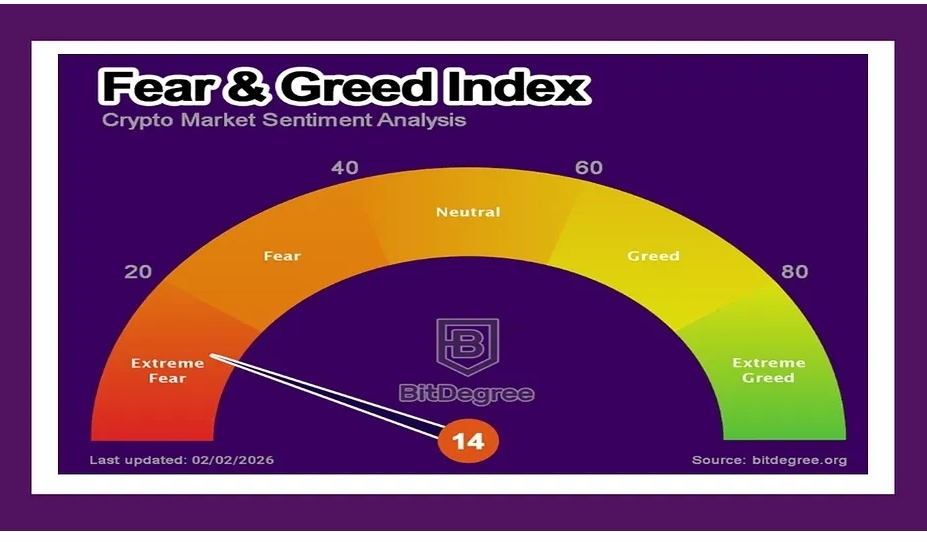
We’ve plummeted into the Fear zone. Historically, these are the moments where smart money starts looking for entries while retail flees. The Greenland shock left a bitter taste, but the institutional floor is still being built.
Voices from the Trenches
Michael Saylor (@saylor) — Continues to ignore the Greenland noise, as he bought 855 more Bitcoin (~ $75 million) for Strategy, and pitching a trillion-dollar Bitcoin reserve plan for the U.S. to tackle national debt.
NoLimit (@NoLimitGains) — Argues we are watching the everything bubble pop in real-time, warning that liquidity, not belief, is the current driver of price.
Cryptoinsightuk (@cryptoinsightsuk) — Highlights that forced selling is the main culprit; funds are selling what they can (like BTC and Gold) to cover losses elsewhere.
We are currently navigating a Macro-Induced Reset. The market isn’t failing because the technology has changed. It’s retracting because the global risk-on appetite has been temporarily suppressed by political uncertainty and a liquidity crunch.
With the Fear & Greed Index at 14, we are in a period of capitulation. For the patient investor, this is often the accumulation phase that precedes the next leg up. The institutional floor is testing its strength at $75,000, and the path forward depends on the cooling of trade rhetoric and the stability of the new Fed leadership.
Stay grounded, stay invested, just keep writing your own financial future. When the market recovers, and we’re in a bull cycle, you’ll be glad you did.