
Here’s a newer angle on Walrus that I don’t see talked about enough, but it’s starting to matter a lot more in 2026: who controls data, not just where it’s stored. Most decentralized storage conversations stop at availability. That was fine a few years ago. But now we’re seeing apps that need rules around data who can access it, when, under what conditions, and for how long. That’s where Walrus Protocol is starting to feel like it’s moving into its next phase.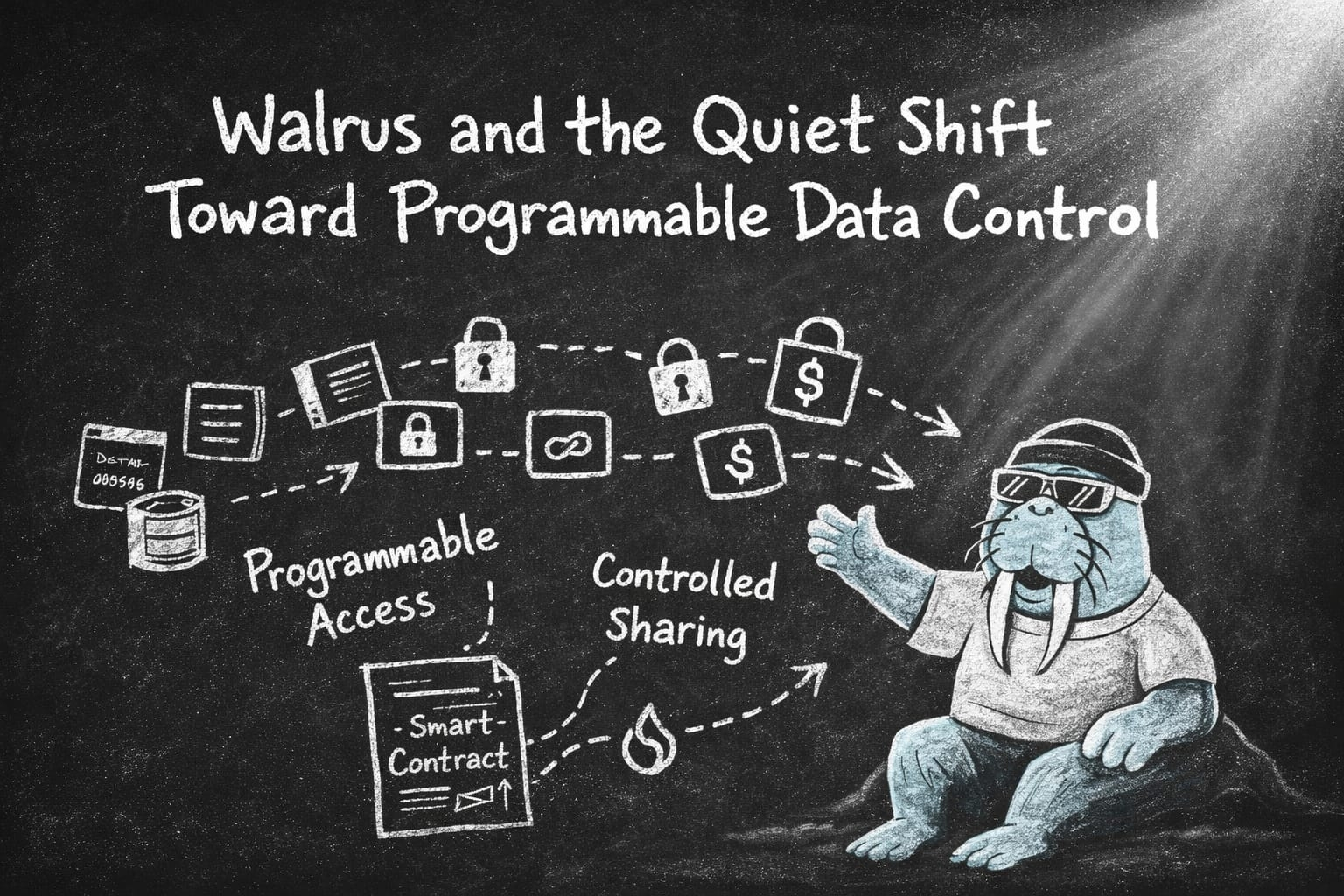
Walrus has been leaning into programmable access control, often discussed under the SEAL framework. The idea is simple but powerful: data isn’t just stored as blobs, it’s stored with logic attached. Access can be gated by smart contracts on Sui. That means data can be private, shared, time-locked, or conditionally revealed all without trusting a centralized server.
This changes the type of apps you can realistically build.
Think about AI database. Not all data should be public always. Some datasets need controlled access, licensing, or usage tracking. With Walrus, the data can live off-chain, but access rights are enforced on-chain. You don’t just download a dataset because you know the URL. You get access because the contract says you’re allowed to.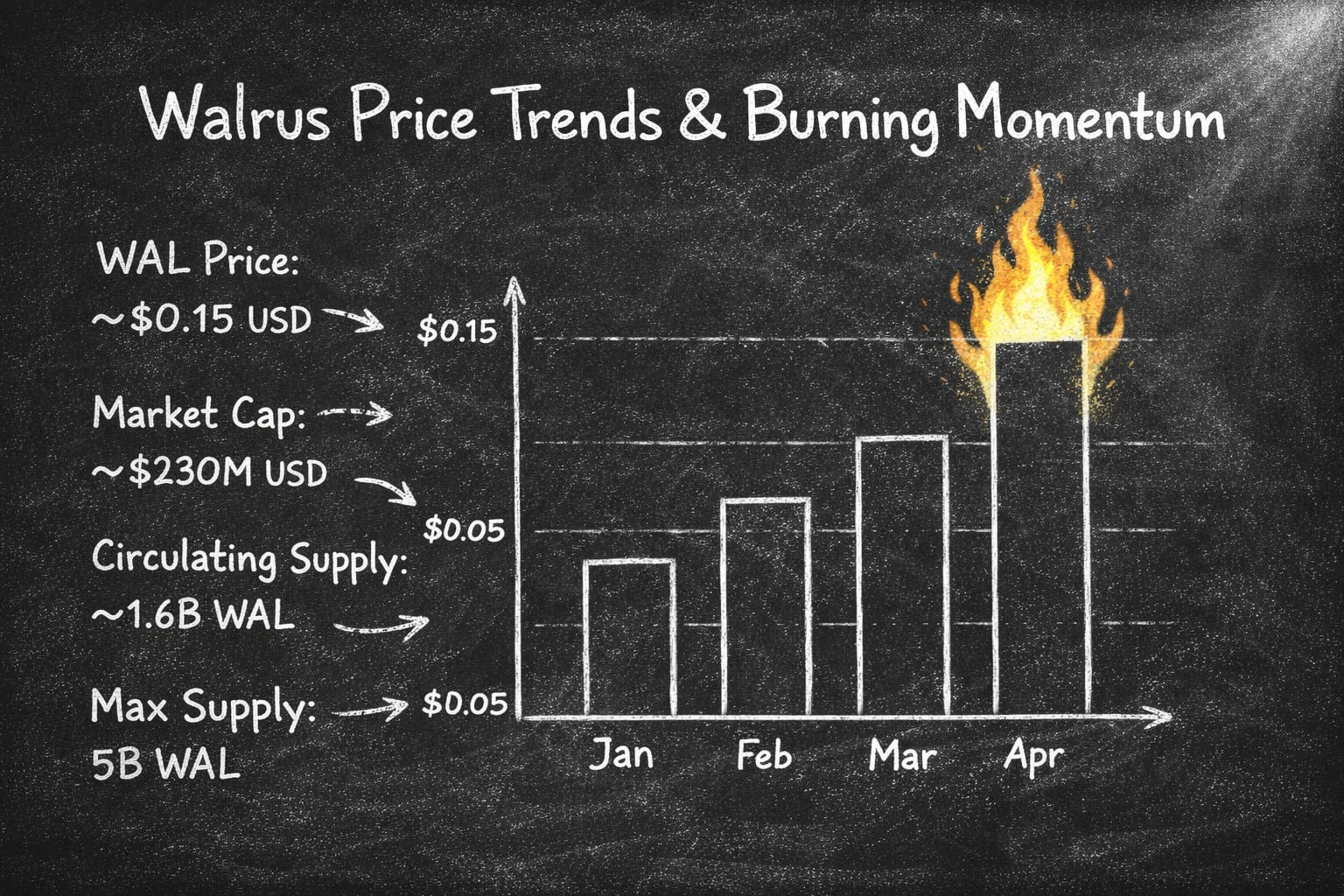
Same thing for enterprise-style Web3 apps. Financial records, compliance data, private documents these aren’t meant to be broadcast to the world. Traditional decentralized storage struggled here, because “public and permanent” was basically the only mode. @Walrus 🦭/acc makes selective decentralization possible, which is honestly much closer to how real-world systems work.
This also ties into data markets, which are becoming more relevant in 2026. If data is an asset, then access to data needs pricing, rules, and enforcement. Walrus enables that by letting storage, payments (via WAL), and access logic all connect. You can imagine datasets that are pay-per-query, subscription-based, or only accessible to certain on-chain identities.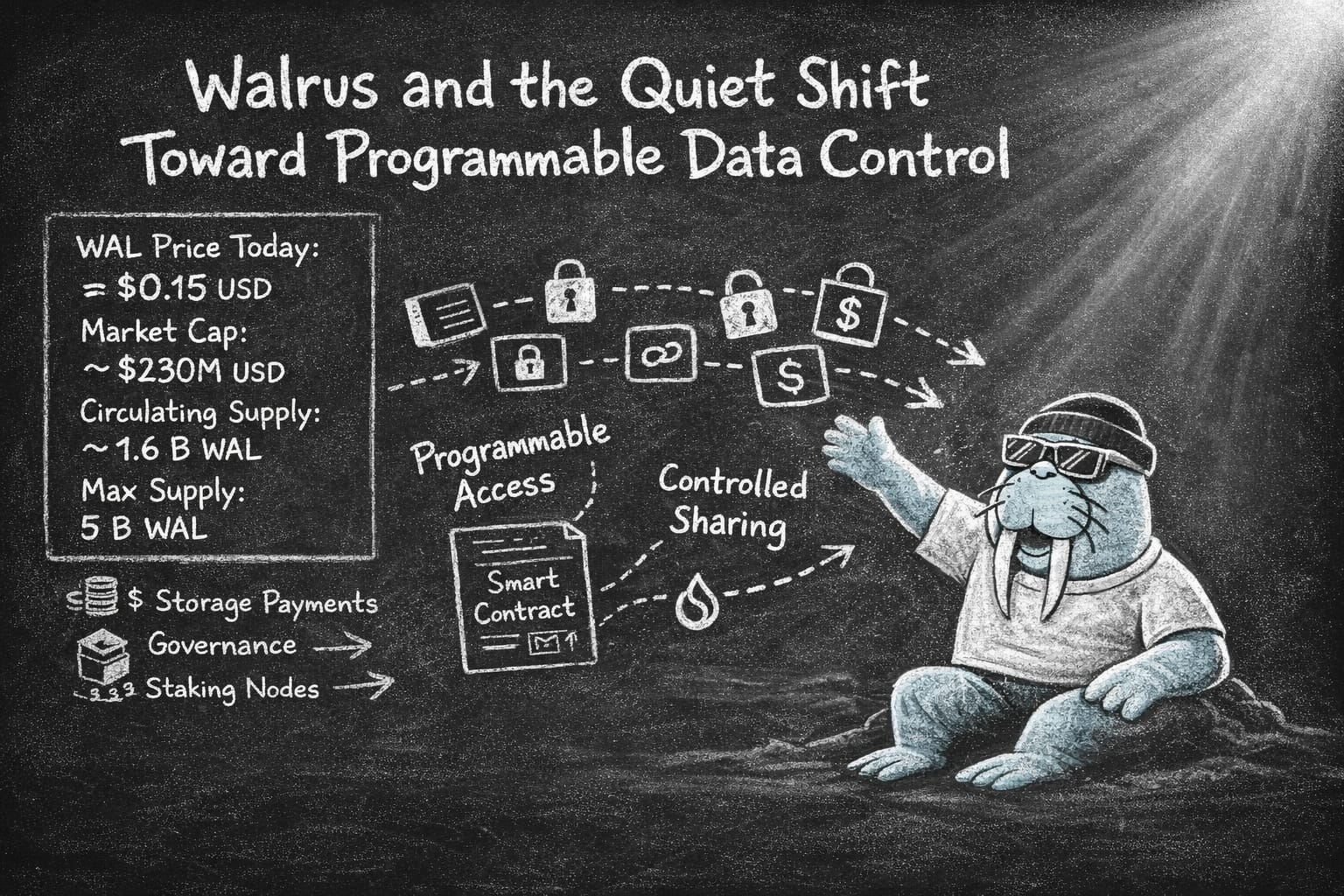
Now let’s fix this with current background.
As of early 2026, $WAL continues to trade about in the $0.13–$0.16 range, with a market cap around $200–$250 million and a circulating supply near 1.58 billion WAL. Liquidity remains solid, and volume suggests ongoing participation rather than forsaking. That matters, because infrastructure tokens only survive if people keep using the network.
More importantly, Walrus mainnet is live and being extended, not just maintained. The shift toward access-controlled storage signals that the team isn’t just focused on raw capacity, but on how data is actually used. That’s a big maturity step.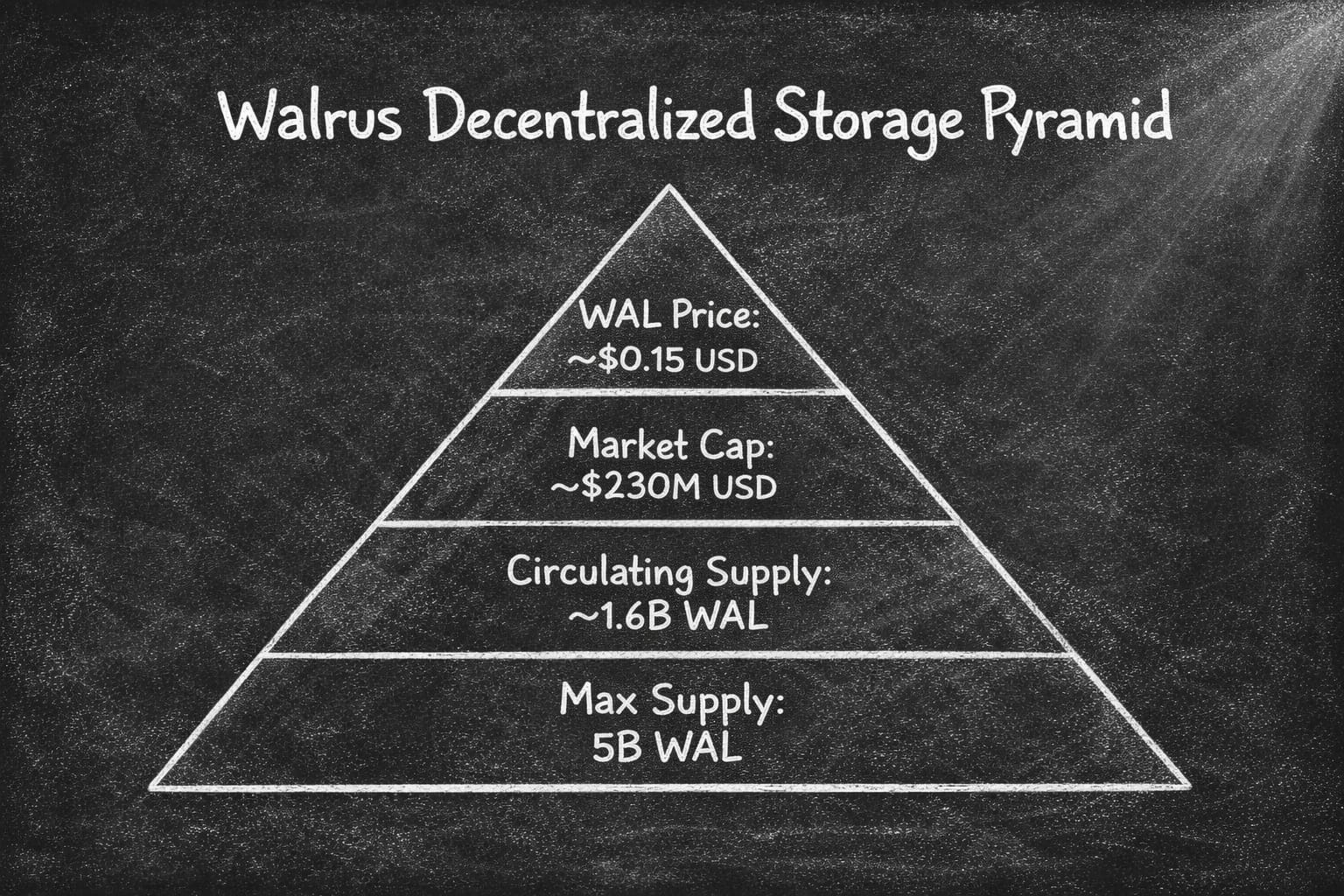
Of course, there are challenges.
Programmable access adds complications. Developers need good shape to avoid mistakes, and users need clear UX so permissions don’t feel confusing. There are stabilising also a act between privacy and flexible locking data too closely can decrease network effects. Walrus has to get that balance right.
Competition is real too. Other storage networks are starting to experiment with encryption and access layers. Walrus’ edge is that access control is designed natively around Sui’s object and contract model, instead of being bolted on later.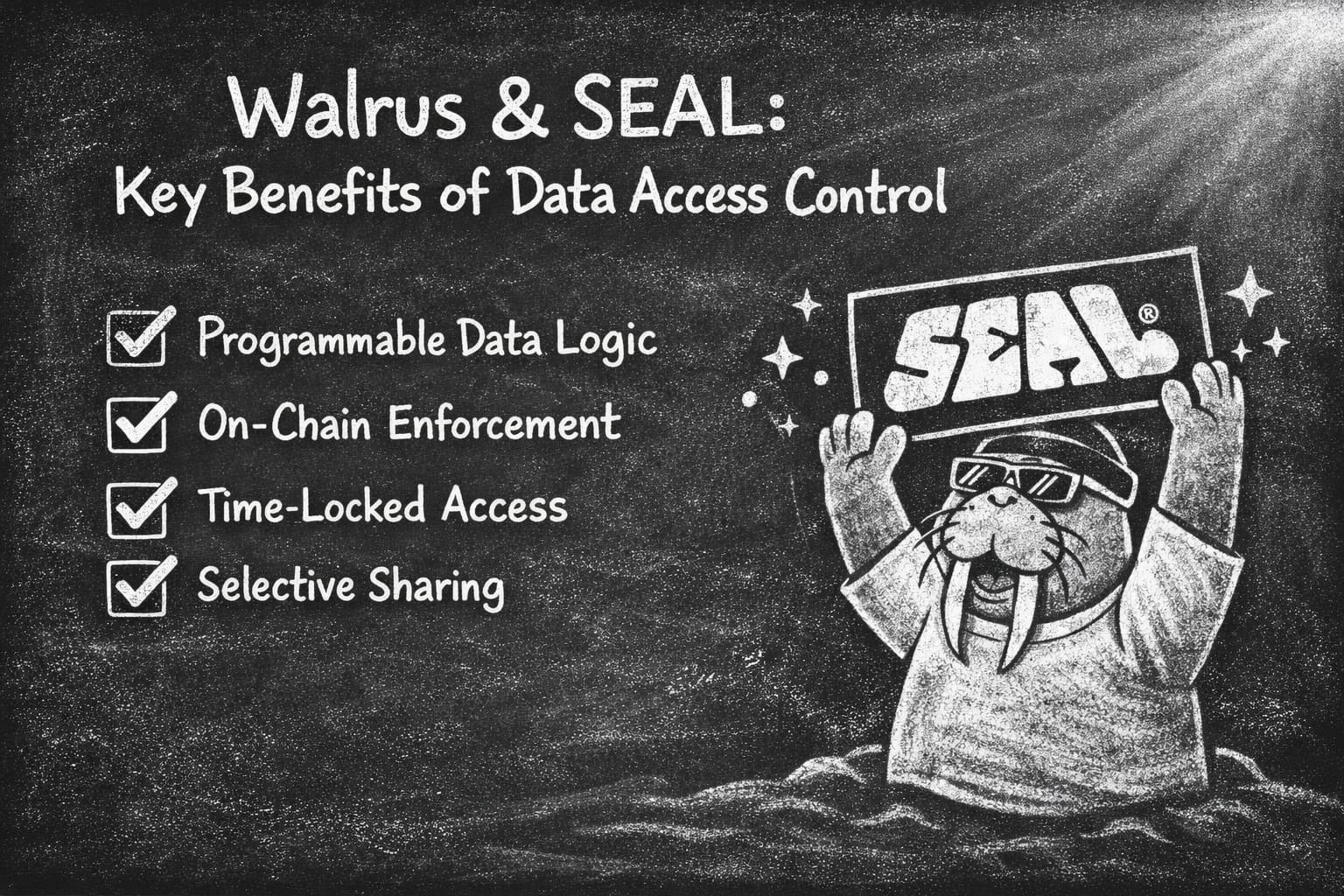
What I find interesting is that this moves Walrus beyond “storage” as a category. It starts to look more like data infrastructure something that supports AI, enterprise workflows, regulated applications, and data marketplaces, not just NFTs and files.
If early Web3 was about making money programmable, this phase feels like making data programmable. And that’s a much bigger surface area.
So when I look at #walrus now, the story isn’t just cheaper blobs or better redundancy. It’s about giving developers fine-grained control over how data lives, moves, and is accessed without giving up decentralization. That’s a quieter narrative, but it’s also a more serious one. And in 2026, seriousness is starting to matter again.