


How do sideways markets work?
To understand a strategy for profiting in a range, traders must first understand how a sideways market works.
As the name suggests, a sideways market is a trading environment in which price action moves along a horizontal channel between high and low prices. The idea is that sideways movement creates relatively predictable highs and lows for the trading asset. You can use several technical indicators such as Average True Range (ATR) and High Low Band (HLB) to identify range-bound markets.
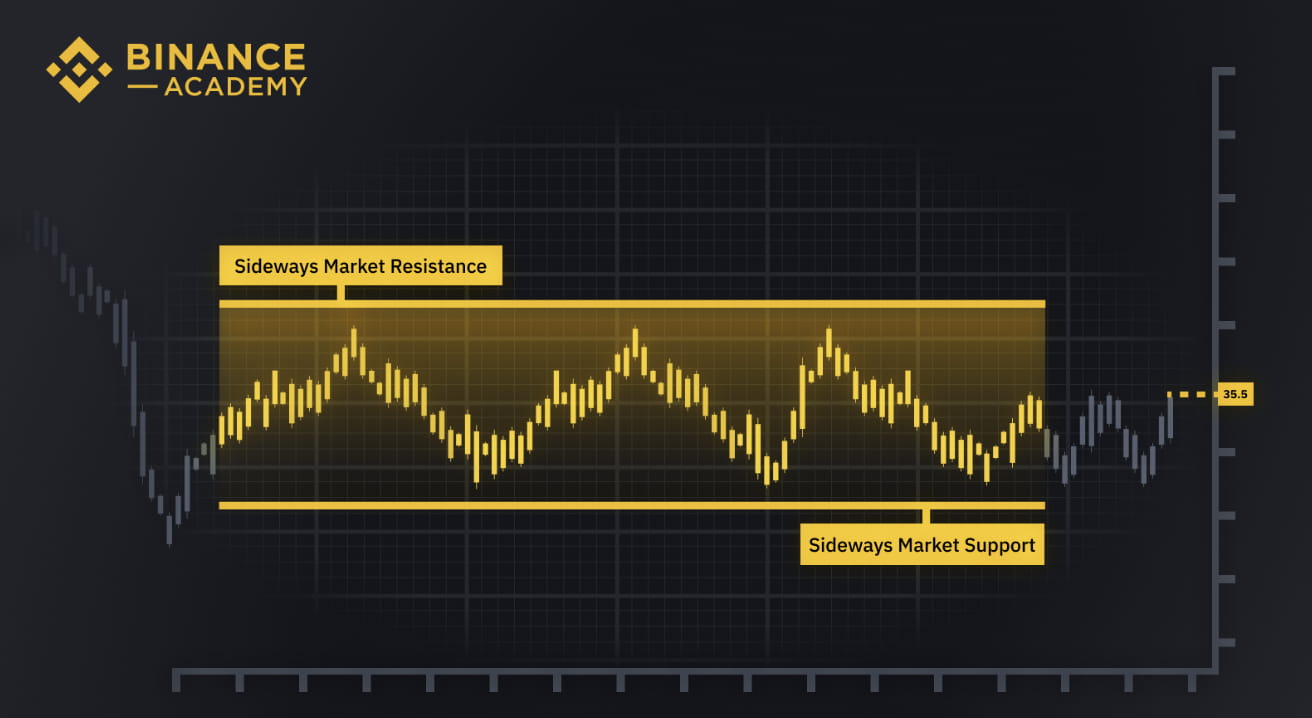
Of course, predicting market behavior with 100% accuracy is impossible. For example, traders trying to take advantage of a sideways market could miss an impending breakout or worse - suffer heavy losses in a downtrend.
What is the strategy to profit when prices move sideways?
Although this strategy originates from traditional markets such as the stock market and Forex, Range Bound trading is also popular among cryptocurrency traders.
Cryptocurrency traders take advantage of sideways markets by identifying key support (low prices) and resistance (high prices) levels. Assets at trendline support offer optimal opportunities to buy low, while traders sell high when the asset reaches trendline resistance. The area where the price fluctuates back and forth is called the range and is also known as the price channel.
Here is an example to help you understand better:
Let's say an asset has been regularly moving between $50 and $53 over the past few days. Traders using a range-bound strategy would buy the asset at $50 (support) and sell the asset at $53 (resistance).
The upside potential is significantly lower now than at the time of the breakout but the market is not permanently trending in one direction. Occasionally, the market will pause and move sideways before resuming its previous trend. On the other hand, the market may be in a period of hesitation before the opposition forces a reversal.
What are the different types of profitable trading strategies in different price zones?
Spot
Once traders have identified the range, the simplest strategy is to place buy orders near support and sell orders near resistance.
Breakout and breakout points
The inherent risk of range-bound strategies is mistiming a breakout or worse, a breakout in a downtrend.
Traders often minimize this risk by placing stop-loss orders near the asset's support and resistance levels. If the asset breaks out of the price channel, traders often change their strategy or wait until Take Profit conditions in the price range return.
Trading example Make profit in price range and automated trading strategy
To save time on tedious work, such as chart analysis and manual order placement, some cryptocurrency users take advantage of products designed to mimic Range Profit strategies. . These products allow users to take advantage of sideways markets without placing a trade. They usually provide an accessible interface:
Set limits for downside risk and upside risk.
Allows users to enter and exit the market in more flexible time frames.
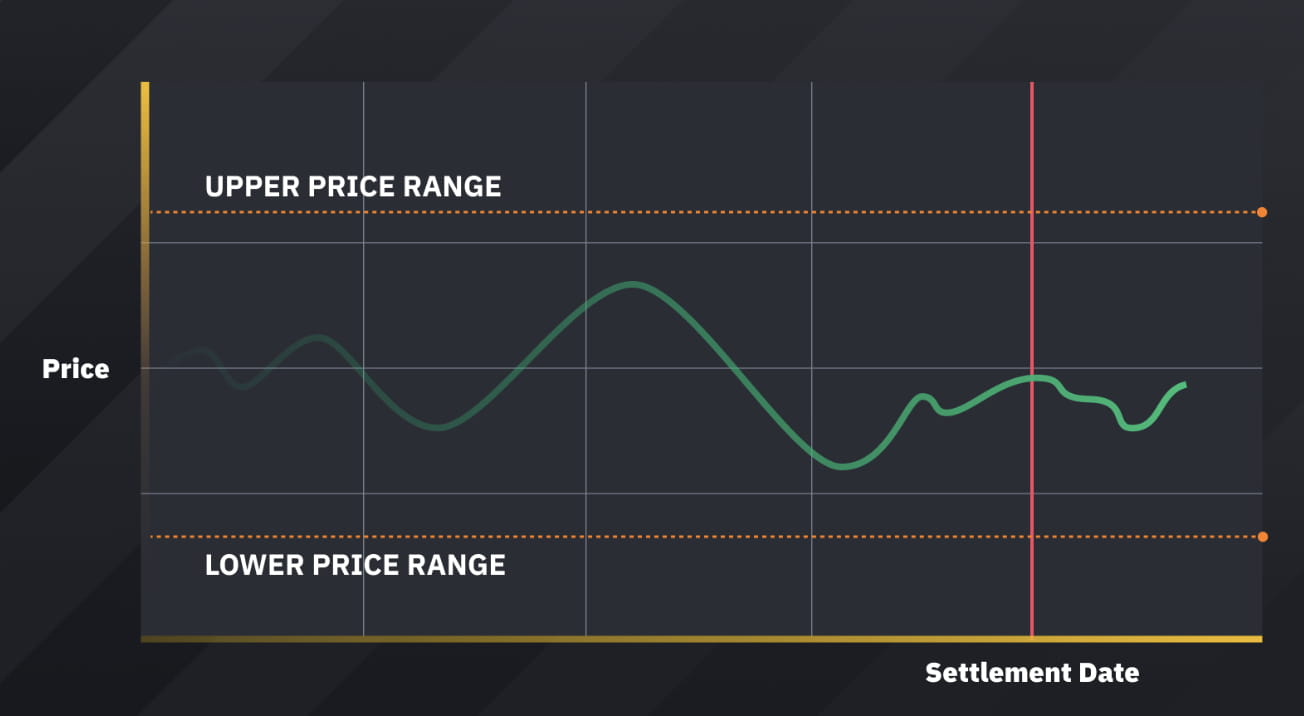
Binance's Range Bound product simplifies complex strategies when traders face a sideways market. When a user signs up for Range Bound, two situations can happen.
Scenario 1
If the asset falls within the set price range during the subscription period, the user will receive a reward based on the potential annual percentage rate (APR) displayed on the payout date.
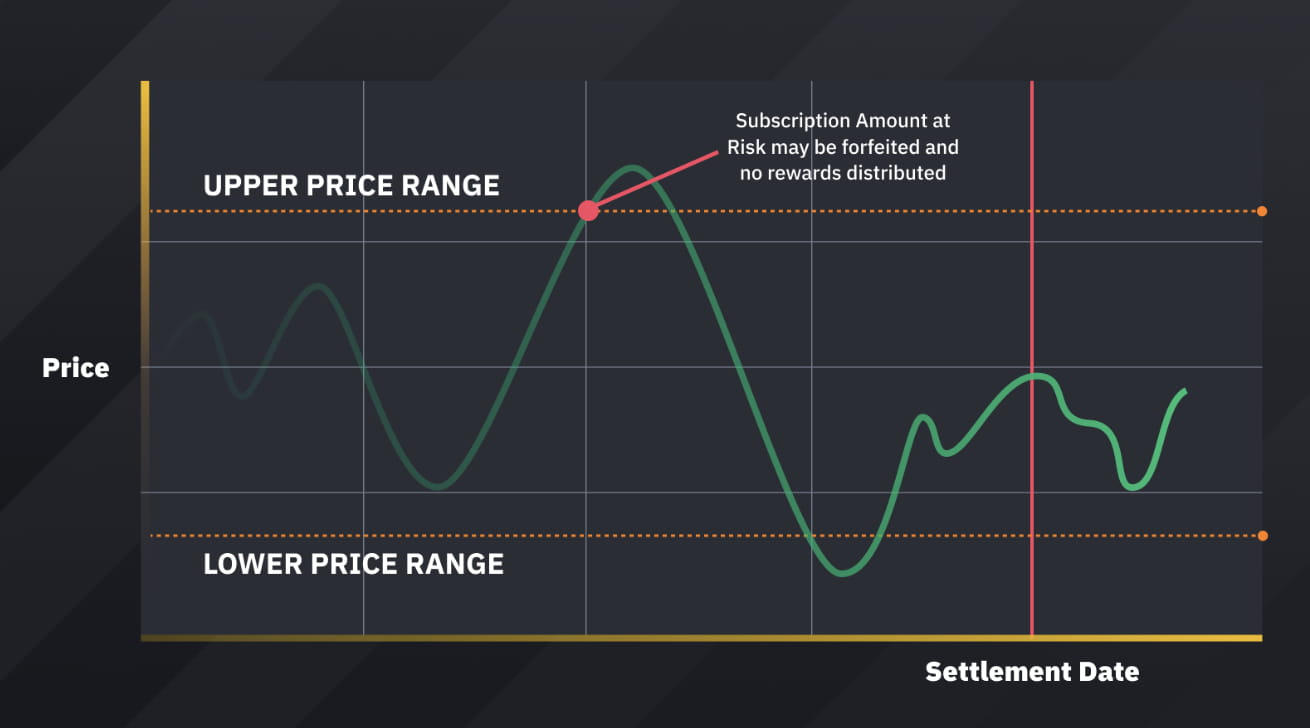
Scenario 2
If the asset touches or exceeds the set price range during the subscription period, the user will receive less than their initial deposit.
The most obvious risk in trading a range-bound asset is when the price breaks out of a sideways range. Cryptocurrency is a volatile asset class that is difficult to predict. No individual, trading strategy or algorithm can predict price action perfectly.
While the market can fluctuate, thus creating seemingly identical patterns, there is no certainty as to when the asset will approach or break the trend lines. The asset is stalled or locked until a buy or sell price is triggered. Furthermore, traders who do not place stop-loss orders incur additional risks of loss.
Users may also receive less than the amount they originally deposited for certain range-bound products if the reference price of the underlying asset exceeds the predetermined price range.
Furthermore, once traders subscribe to a Profit Zone product, their assets will be locked and they will not be able to cancel or redeem them before the settlement date.
summary
Range Trading can be a viable strategy for experienced traders who are aware of their risk tolerance and have a solid understanding of technical analysis. Due to the volatile nature of the cryptocurrency market in general, building a sound range-bound trading strategy requires effort, discipline, and vigilance.
If you are considering trading a sideways market, you can use the examples listed in this article as a starting point. As always, traders should conduct due diligence before investing in any financial opportunity.
Source: Binance Academy