

Lately I’ve been thinking a lot about how strange the AI space feels right now.
Not because the technology isn’t impressive — it obviously is but because the way we talk about it feels strangely incomplete. Everything is about speed, capability, and scale. Faster models, bigger models, smarter models. The conversation is always about how much AI can produce.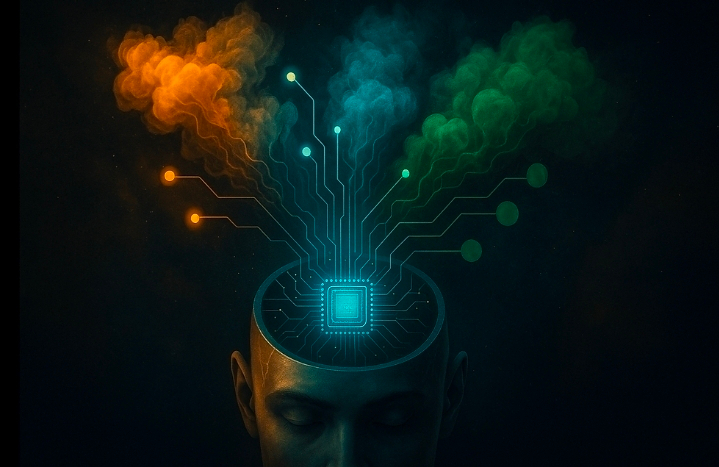
But very rarely about whether we should trust what it produces.
That gap is where Mira Network first caught my attention.
It wasn’t some loud marketing push or a huge narrative about reinventing the internet. In fact, what stood out was almost the opposite. The project seemed to be circling around a problem most people quietly notice but don’t spend much time solving.
AI answers everything with confidence.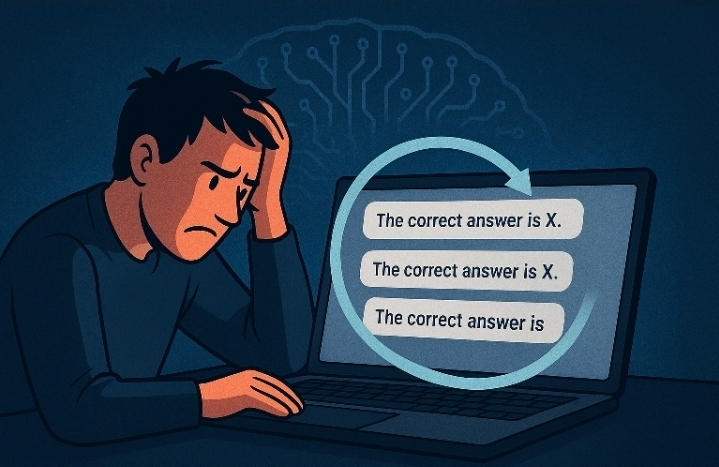
Sometimes that confidence is deserved. Sometimes it really isn’t. But the tone is always the same — smooth, certain, convincing. If you’ve used AI tools long enough, you’ve probably felt that moment where an answer sounds right, yet something in the back of your mind tells you to double-check it anyway.
That small hesitation is becoming one of the most important friction points in the entire AI ecosystem.
And that’s basically the space Mira is stepping into.
Instead of trying to build yet another system that generates more output, the focus seems to be on something much less flashy: figuring out whether that output deserves trust in the first place.
At first glance the idea feels almost obvious. But obvious problems are often the ones that get ignored the longest, especially when the market is busy chasing the next exciting narrative.
Verification doesn’t sell easily.
Nobody rushes into a trade because they heard the word “verification.” It doesn’t sound revolutionary. It sounds slow, careful, maybe even boring. But a lot of the infrastructure we depend on today was built around exactly those kinds of boring ideas.
What makes Mira interesting to me is that it seems comfortable living in that space.
It’s not trying to be the biggest AI platform. It’s not trying to solve every problem at once. Instead, it’s pointing directly at a weak spot: the moment where an AI response looks polished but still leaves you wondering if you should actually rely on it.
And honestly, that moment happens more often than people like to admit.
Right now we’re surrounded by systems that can generate answers instantly. Articles, code, summaries, research notes, entire conversations. Output is everywhere. The real bottleneck is no longer generation — it’s trust.
How do you know the answer is correct?
How do you know the reasoning holds up?
How do you know you’re not just looking at something that sounds intelligent?
These questions become heavier as AI starts influencing more real decisions. It’s one thing when the stakes are small. It’s another when people begin relying on these systems for work, research, financial choices, or automated processes.
That’s where verification stops being optional and starts feeling necessary.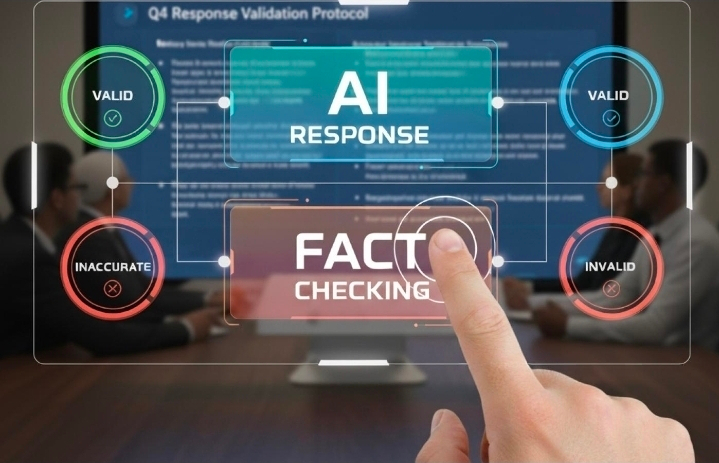
Now, that doesn’t automatically mean Mira succeeds. Crypto history is full of ideas that made perfect sense conceptually but never translated into real adoption. Execution matters. Timing matters. And sometimes even good ideas simply arrive before the market is ready to care.
So I’m careful not to jump too far ahead.
What I do appreciate, though, is the focus. Mira seems to be asking a very specific question instead of trying to build an entire universe around a token.
Can AI outputs be independently verified in a way that people actually trust?
If the answer ends up being yes, that layer could become far more important than it seems today. Not because it’s exciting, but because reliability eventually becomes more valuable than novelty.
Right now the AI conversation is still dominated by what machines can do.
Eventually the conversation will shift toward whether we can rely on what they say.
That shift might take time. But it feels inevitable.
And if that moment does arrive, projects built around verification might suddenly look a lot less boring than they do today.
I’m not claiming Mira will be the one that defines that layer. It’s still early, and this market has a way of humbling confident predictions.
But at the very least, Mira seems to be focused on a problem that is real, visible, and getting harder to ignore.
And in a space where many projects are busy recycling the same narratives, sometimes the most interesting ones are simply the ones asking the right question.
#Mira $MIRA @Mira - Trust Layer of AI
