

The 2026 Bitcoin market is structurally different from previous cycles. ETFs, corporate treasury demand, interest rates, regulation, and dollar liquidity now influence BTC far more than before. However, on-chain data still shows a market heavily driven by leverage rather than stable spot demand.
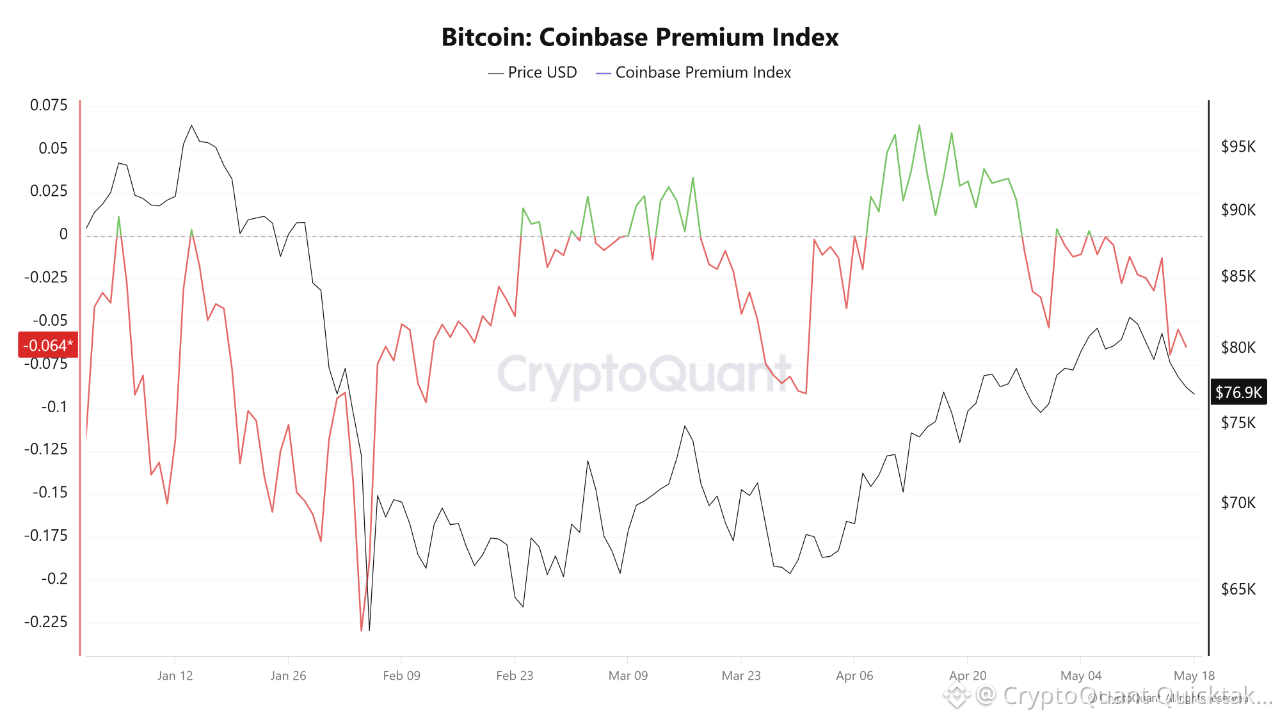
One key indicator is the Coinbase Premium Index, which measures the price gap between Coinbase and offshore exchanges like Binance. During the 2020–2021 bull market, the indicator stayed mostly positive, signaling strong U.S. institutional spot buying. In 2026, however, the premium has frequently fallen back into negative territory. This suggests that while institutional adoption and ETF expectations continue to grow, real spot demand has not fully recovered.
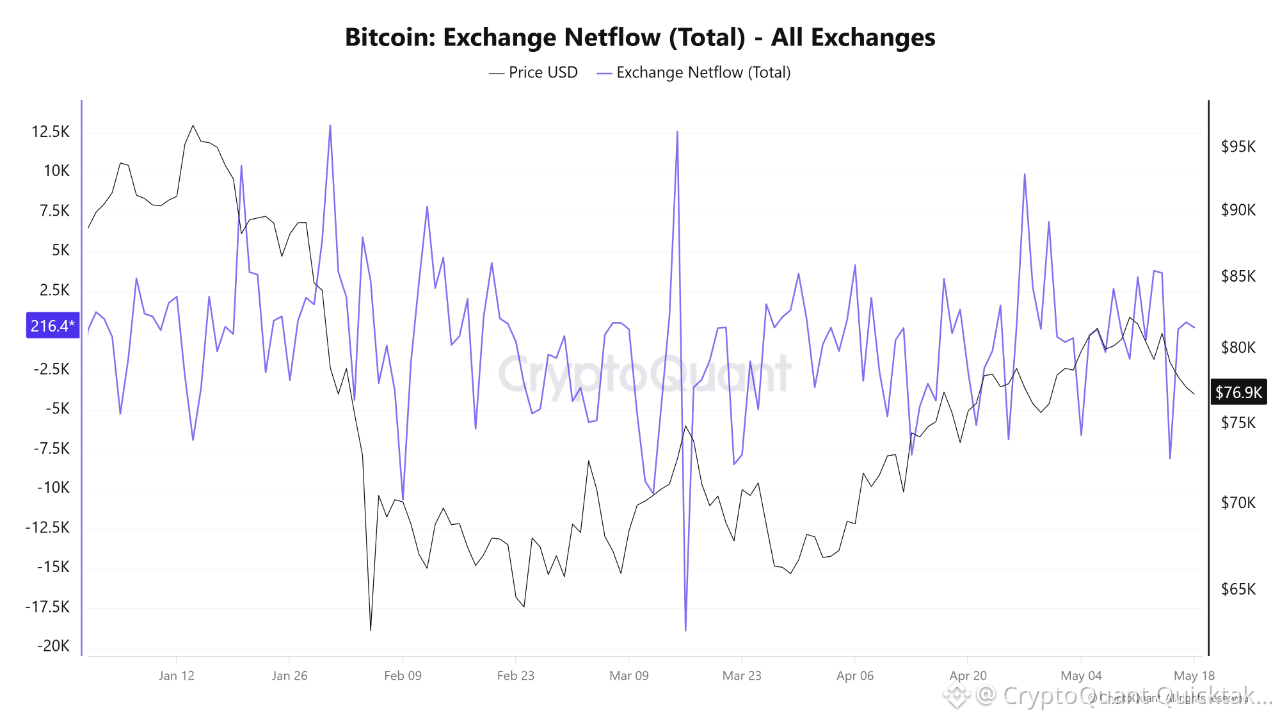
At the same time, exchange reserves continue to decline. Bitcoin held on exchanges has dropped to around 2.68 million BTC, indicating that more coins are moving into long-term holding, ETF custody, or other low-liquidity storage. Structurally, this supports a long-term supply squeeze.
Short-term conditions tell a different story. Open Interest has surged again since April 2026, while Funding Rates remain unstable. This indicates that leverage-driven futures trading still dominates market behavior. In other words, recent price movements are not purely supported by spot accumulation.
Another important signal is the Exchange Stablecoin Ratio. The decline in this metric suggests that stablecoin “waiting capital” is weaker than during the 2021 cycle, when large inflows of USDT and USDC fueled aggressive BTC buying.
The market therefore reflects two realities simultaneously: long-term bullish institutionalization and short-term weakness in actual spot demand. The next major question is whether Bitcoin can truly transition from a futures-driven market into a sustainable spot-driven bull cycle.
Written by XWIN Japan