

I would like to discuss Vanar Chain since it is located in the very narrow crossroad that a majority of people fail to grasp. The concept of AI, scalability, real world adoption, and infrastructure maturity in Web3 are discussed in detail, yet few chains are actually built to be able to preserve all of that in a consistent manner. Vanar is different to me as it is not attempting to retrofit AI and real world applications to an existing blockchain design. It is being constructed with these assumptions built into it.
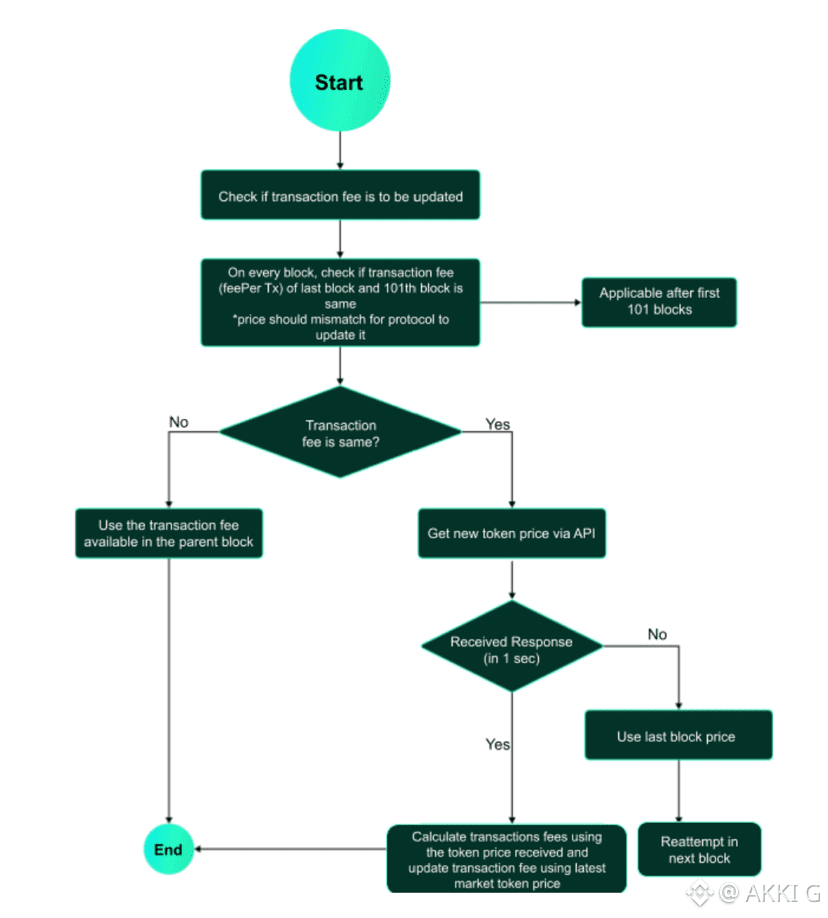
Looking at Vanar Chain, the first thing that becomes obvious is the choice to treat information like the active one, rather than the off chain one which is only mentioned later. Vanar architecture compresses and stores data into chain itself that also alter the behavior of applications over time. Rather than using external storage tiers, which may fail, vanish, or bring with them trust implications, applications may run on Vanar with their data, instructions, and execution in a single location. It might sound nuanced, but in the long run, it develops a stronger system.
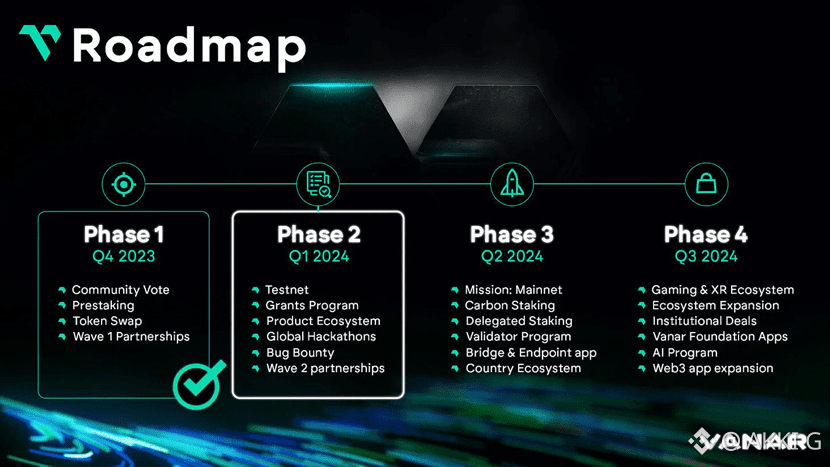
The other reason that I am keeping an eye on Vanar is its positioning of AI. In most chains, AI can be likened to a marketing layer. On Vanar, it feels structural. The chain is structured in such a way that AI agents are able to read, query, and operate on on chain data without switching between fragmented systems. That paves the way to payment automation, content automation, identity automation, and even compliance automation. More to the point, it makes the life of the builders easier when it comes to developing applications that are smart and not brittle.
The native token, called VANRY, is easily seen as fitting into the picture. It is not some abstract resource or a governance add on. It is applied to execute, interact data and coordinate economically across the network. All the significant activity on the chain passes through VANRY, providing the token with actual implementation weight. I am inclined to admire the ecosystems where the role of the token is clear and inevitable as this is normally an indication of long term design thought as opposed to temporary hype.
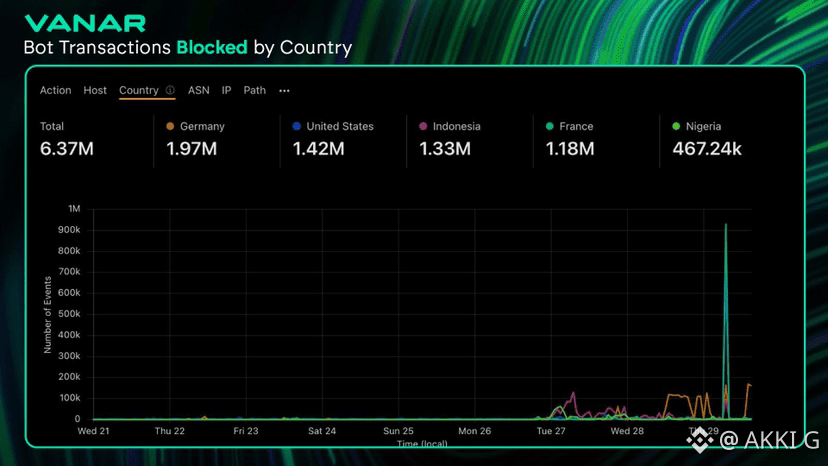
Another factor that I am very confident with is the current infrastructure developments by Vanar. Its advanced testnet phases have been completed proving that it is not an idea on paper. The team has been subjecting performance, user flows, and real application behavior to stress testing. That is important, since whitepapers will not be the next generation of adoption. It will be based on chains that are already familiar with how users/builders will act when subjected to load.
My take is simple : Vanar is secretly developing the sort of base that is worth more as the ecosystem grows. It is not pursuing all the stories. It is integrating AI, data and execution in one stack. Such forbearance is generally dull at first and obvious at second. I would prefer to listen to it than to come to know that it has struck out of the blue later.