
The process pauses one step earlier than expected on Dusk (@Dusk ).
Nothing is wrong. The figures line up. The state is consistent. On Dusk Foundation, the transaction is technically ready to move forward. It just doesn’t.
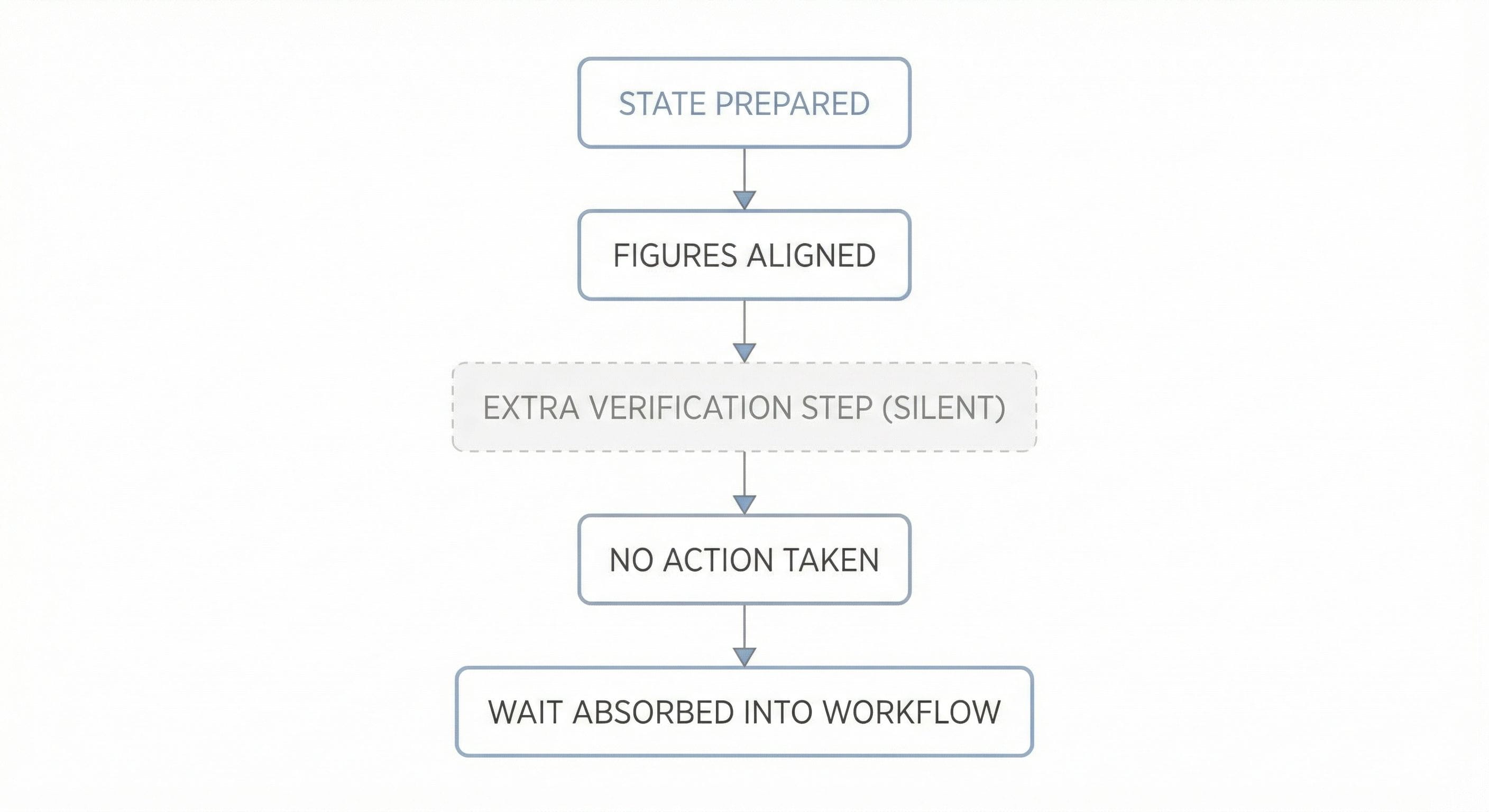
There is an extra check sitting between “prepared” and “released.” It doesn’t flash. It doesn’t escalate. It doesn’t explain itself. It’s simply there, and everyone in the room recognizes what it means.
So no one pushes.
Speed would be possible here. The system isn’t under load. No dependency is blocking progress. But moving faster would require treating the check as optional, and no one does that anymore. Not because they can’t. Because it would look wrong.
The verification is narrow. Role-scoped. Quiet. It exists for a reason that isn’t restated each time. The operator sees enough to continue, but not enough to justify skipping ahead. Dusk Privacy keeps the boundary intact. Compliance keeps the order intact.
Someone glances at the timestamp. No one comments.
There’s no attempt to route around the step. No one asks if it can be deferred. Shortcuts would need to be explained later, and explanations carry weight. Waiting doesn’t.
On Dusk, this part of the workflow has become habitual. Not a bottleneck. A condition. People build their timing around it without acknowledging it directly. The delay is absorbed, not challenged.
Another role checks their side. They see progress, but not clearance. That’s expected. They don’t escalate. Escalation would require widening disclosure, and nothing in the process has failed. The correct response is to wait.
So everyone does.
What’s interesting is how little friction it creates now. No frustration. No sense of inefficiency. The extra step has trained behavior. People don’t rush into it with expectations of speed. They arrive knowing it will take as long as it takes.
Correctness sets the pace.
When the verification clears, nothing accelerates to compensate. There’s no catch-up. No compressed sequence. The workflow resumes at the same measured tempo it had before the pause.
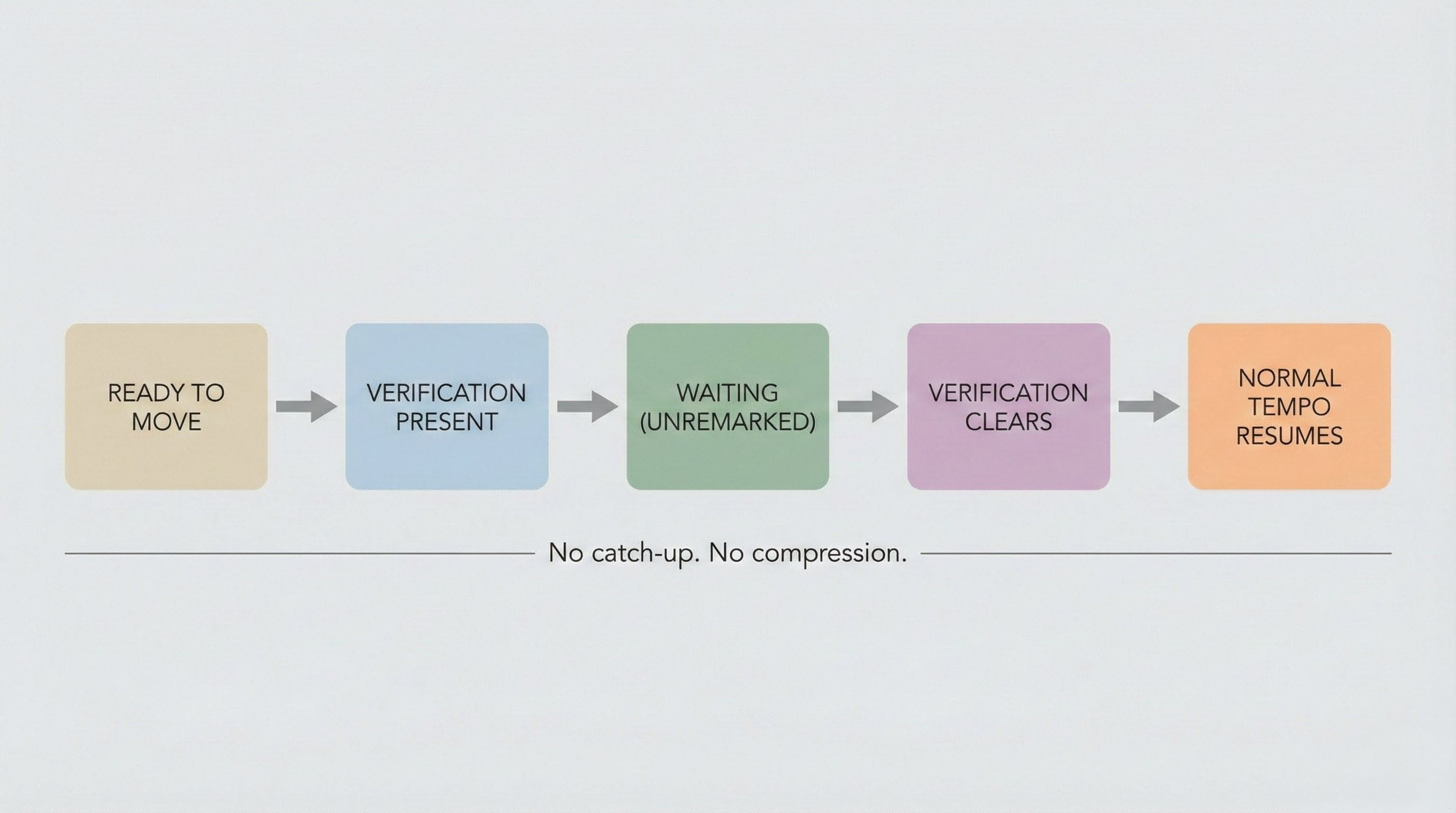
Later, when the timeline is reviewed, the delay stands out on paper. In practice, no one remembers it clearly. It didn’t interrupt anything. It shaped everything around it.
On Dusk, convenience isn’t blocked outright. It’s made harder to justify than waiting.
I knew it would take longer.
I just didn’t bother hoping it wouldn’t.
