
The interaction completed as designed.
No additional step appeared. No approval request surfaced. No wallet interface interrupted the flow. On Vanar, the action moved from start to finish inside the same application state.
There was no explicit chain moment.
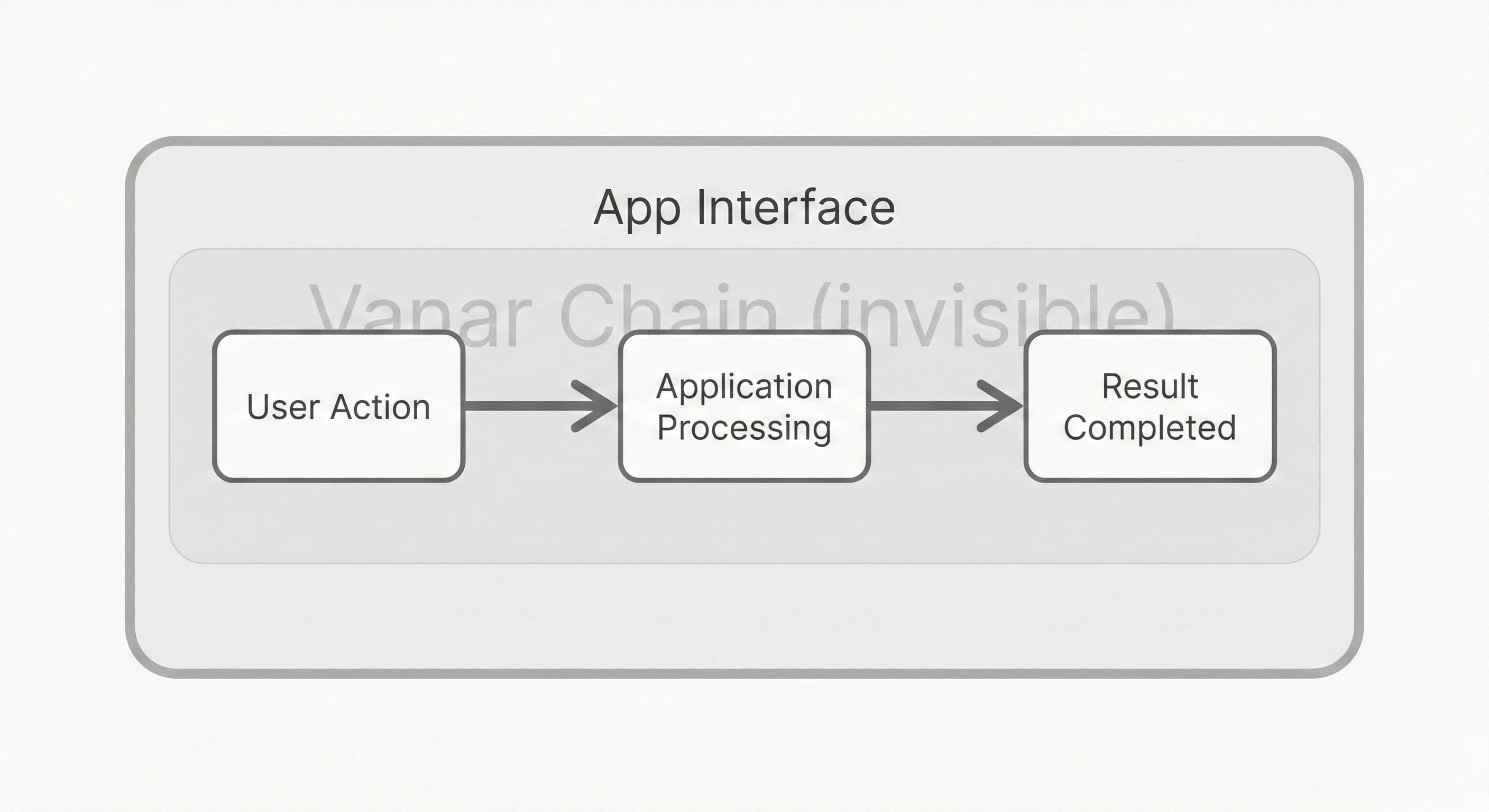
The process did not branch into a separate confirmation phase. The user was not asked to recognize a transaction or acknowledge an underlying system action. Vanar (@Vanarchain ) executed the operation without requiring user awareness of the chain layer.
This is usually where friction enters.
In many environments, infrastructure forces itself into view. A permission gate appears. A signature step breaks continuity. On Vanar (#Vanar $VANRY ), that disruption did not occur. The application behavior stayed consistent before, during, and after execution.
No context switch was required.
The interface did not change its rules halfway through. Timing remained stable. Inputs and outputs followed the same pattern throughout the interaction. Vanar handled execution without altering how the application behaved.
Nothing needed to be learned.
There was no instruction explaining what had just happened. No visual marker indicating a blockchain event. The result did not carry technical framing. On Vanar, completion looked the same as any other successful application action.
That shifts responsibility.
When infrastructure stays invisible, there is no pause to reconsider or verify intent. The system proceeds without asking for acknowledgment. Vanar absorbs that responsibility into the flow instead of surfacing it to the user.
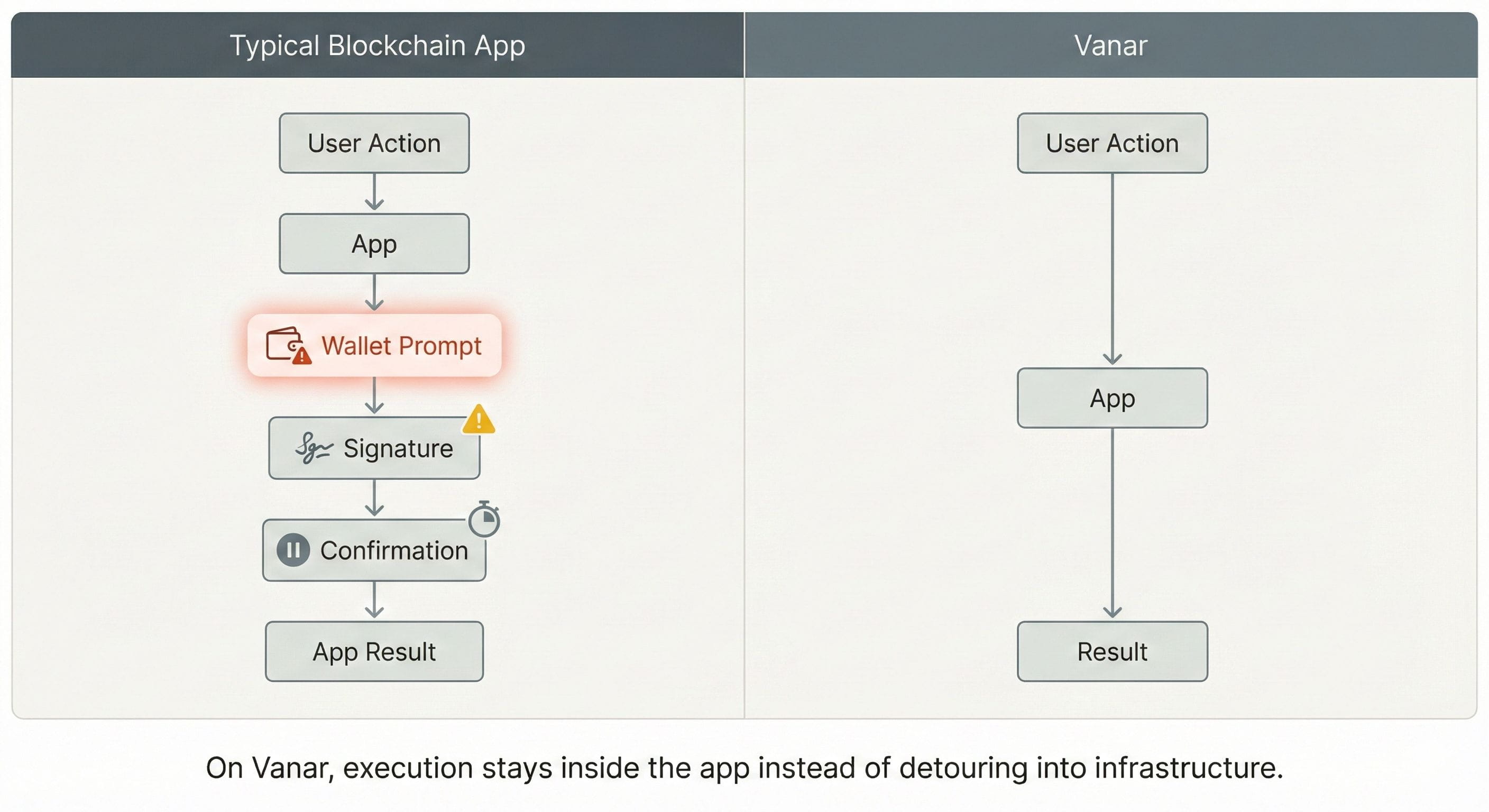
The task ended cleanly.
No error. No alert. No reminder of the system underneath. The application reached its final state without announcing that a chain had been involved.
Nothing indicated a blockchain step was involved.
