
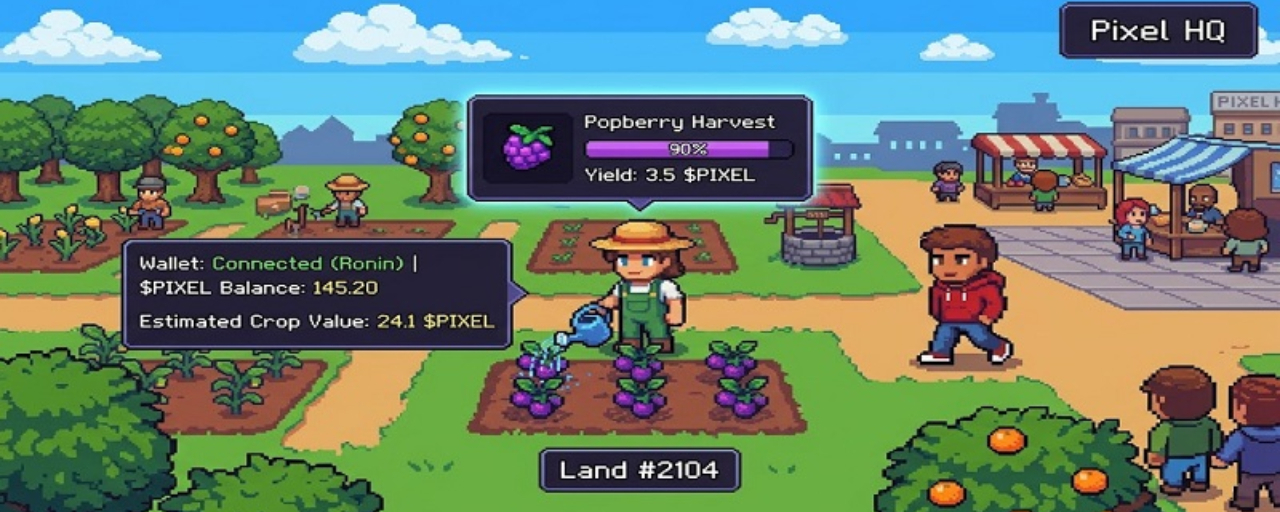
I didn’t really “get” Web3 gaming until I spent time inside @Pixels .
At first it just looked like another farming loop. Plant, wait, harvest, repeat. Nothing new on the surface. But after a few days, something started to feel… different. Not in a flashy way, more in how decisions started to carry weight.
In most games, farming is just a background activity. You do it because the game tells you to. Here, it feels closer to a quiet strategy.
I noticed that even small choices began to matter over time. What to plant. When to log in. Whether to sell early or hold. It wasn’t intense or stressful, just a steady awareness that everything connects to something else.
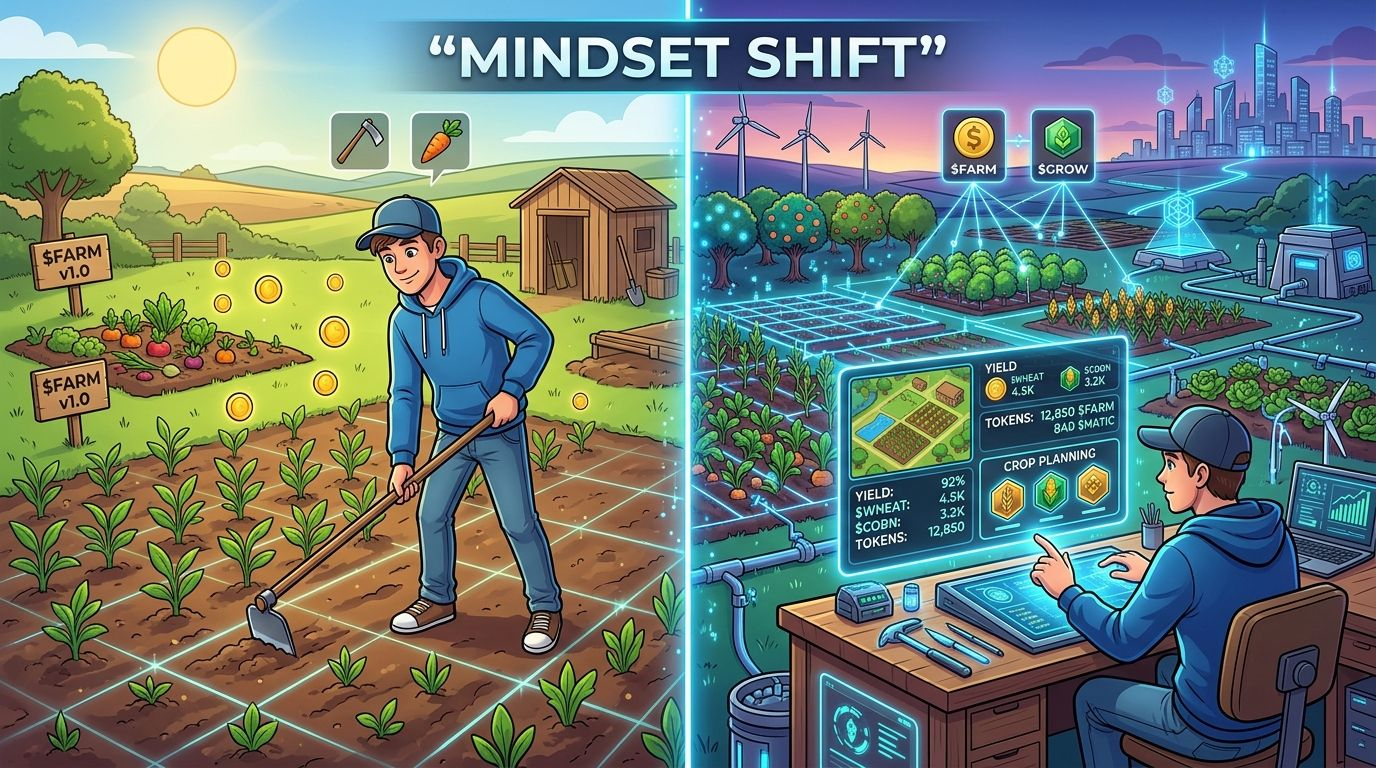
That’s probably the simplest way I can explain Web3 gaming through #Pixels . It’s not about the mechanics being new. It’s about ownership changing how you think about those mechanics.
When you earn something tied to $PIXEL , even in small amounts, it subtly shifts your mindset. The crops aren’t just crops anymore. They become part of a longer loop that exists outside the game session itself.
I might be wrong, but it feels like the game isn’t trying to rush you. There’s no constant pressure to optimize everything instantly. And because of that, you start observing your own behavior more.
Like noticing when you’re playing efficiently versus when you’re just playing out of habit.
That distinction is interesting.
In traditional games, efficiency usually wins. You min-max, you follow guides, you optimize routes. But in @Pixels , I’ve seen players take slower paths and still feel satisfied, because the outcome is theirs in a more direct way.
It creates this strange balance between exploration and calculation.
Some days I log in just to check my land and adjust a few things. Other days I spend more time thinking about how to improve output. Neither feels wrong. The game doesn’t punish you for drifting between those modes.
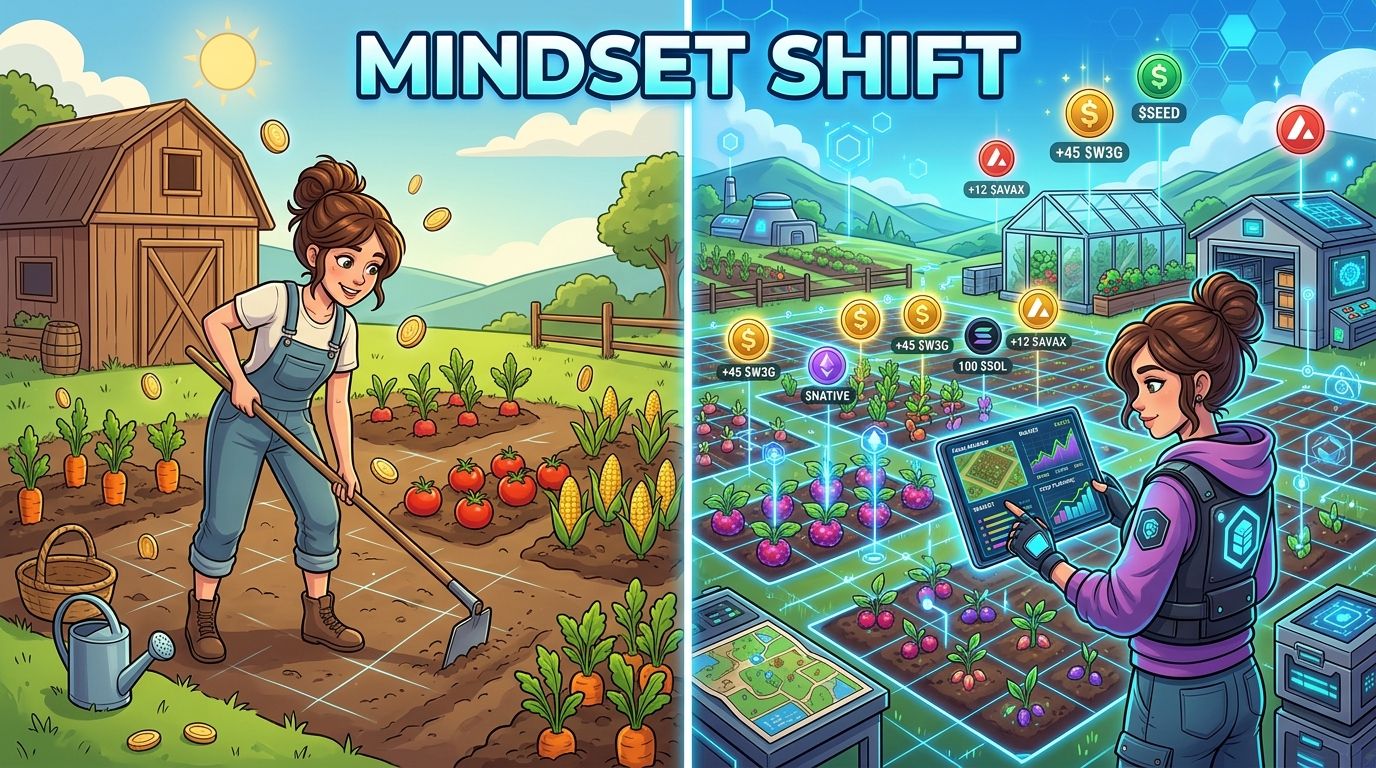
And I think that’s where the Web3 layer quietly sits. Not loud, not constantly visible, but always influencing how you approach your time.
The economy is there, but it’s not screaming at you. It’s more like a background system that slowly becomes part of your routine thinking.
You start asking small questions without realizing it.
Is it better to sell now or later?
Should I reinvest or hold?
Am I playing for progress or for balance?
None of these questions are forced. They just appear naturally once you realize your actions have a kind of continuity beyond the session.
That’s something I didn’t expect.
I always thought Web3 gaming would feel more transactional. More focused on earning. But in this case, it feels more like awareness than pressure.
The farming loop becomes a way to observe your own habits.
And maybe that’s the real difference.
Not that Web3 changes the game completely, but that it slightly changes how you think while playing it.
In #pixel , progress isn’t just measured by what you unlock. It’s also shaped by how you decide to move forward.
Some players chase efficiency. Others build routines. Some just explore and let things unfold slowly.
All of those approaches seem to exist side by side without one clearly dominating the others.
That balance feels rare.
I’m still figuring it out, honestly. There are days when I try to optimize everything, and days when I just let things grow without overthinking it.
Both feel valid, which is probably why I keep coming back.
Maybe Web3 gaming isn’t something you fully understand from the outside. It’s something that slowly reveals itself through small, repeated decisions.
And @Pixels just happens to be a quiet example of that.
