

Circle CEO Jeremy Allaire identified what he described as a “tremendous opportunity” in yuan-pegged stablecoins, framing a potential Chinese digital Yuan currency instrument as a logical extension of stablecoins’ growing role in cross-border settlement, a signal that positions Circle within a currency rivalry that extends well beyond its USDC franchise.
Chinese authorities have simultaneously clarified that yuan-pegged stablecoins cannot be issued offshore without prior regulatory approval, a constraint that defines the boundaries of any near-term execution.
CIRCLE CEO: CHINA COULD LAUNCH A YUAN STABLECOIN IN 3–5 YEARS Jeremy Allaire says stablecoins are a powerful way to “export” a currency globally through faster cross-border payments. Circle also sees rising demand for $USDC amid growing geopolitical risk. pic.twitter.com/DCF8tSJELN
— Coin Bureau (@coinbureau) April 16, 2026
The timing is not incidental. Allaire’s comments arrive as geopolitical stress, including elevated demand for portable digital dollars linked to the Iran conflict, has driven USDC trading volumes higher by billions in recent months, demonstrating that stablecoin infrastructure functions as a macro hedge as much as a payments rail.
It comes as the broader crypto market cap sits at $2.59 trillion, flat on the day, with $110Bn in daily trading volume. Bitcoin USD is still hovering around $74,000, while Ethereum is holding strong above $2,300.
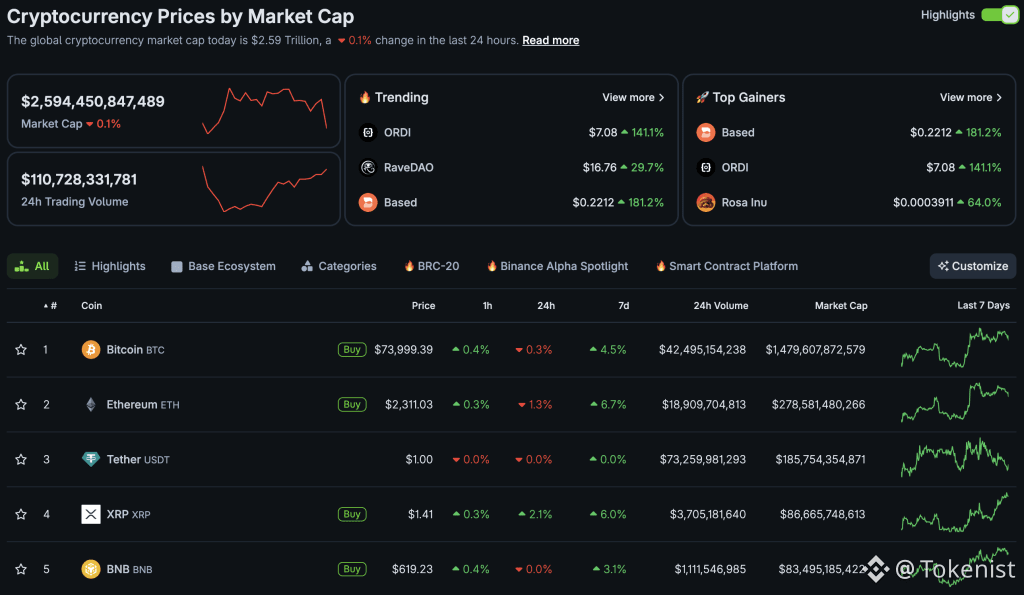 SOURCE: CoinGecko The Cross-Border Signal: Yuan Internationalization Infrastructure and the Stablecoin Gap
China’s efforts to internationalize the yuan have focused on institutional frameworks rather than open markets. The Cross-Border Interbank Payment System (CIPS), established in 2015, facilitates non-dollar transactions among Belt and Road partner economies.
Recently, Hong Kong’s Monetary Authority issued stablecoin licenses, reflecting Beijing’s desire for regulated crypto integration.
However, there is a gap between China’s aim to reduce dollar dependence in trade and the lack of a widely usable yuan-denominated digital asset.
Currently, CIPS is limited to institutional users, and offshore yuan accounts are subject to capital flow restrictions. Previous attempts at private yuan-pegged tokens were halted by regulators.
A regulatory-compliant yuan stablecoin could bridge this gap, serving as a settlement layer for trade finance and addressing friction caused by USDC’s dollar peg.
The IMF has noted that tokenized cross-border settlements require central bank collaboration, highlighting the regulatory complexities any yuan stablecoin would need to overcome.
DISCOVER: Best Crypto Presales in 2026
Circle’s Competitive Position: USDC Dominance, IPO Trajectory, and the Digital Yuan Adjacency Play
China is considering rolling out yuan-backed stablecoins. But what if they could one day be redeemed for gold on the Shanghai Gold Exchange? That’s not just currency adoption… That’s a blueprint for a NEW system. The gold telegraph? Full circle. Have a nice weekend.
— Gold Telegraph (@GoldTelegraph_) August 29, 2025
Circle is strategically interested in yuan-adjacent infrastructure, without the immediate need to issue a yuan stablecoin, as Allaire’s comments highlight.
The company’s cross-border expansion is focused on its Circle Payments Network (CPN), with partnerships in South Korea, including with banks such as KB Kookmin and exchanges such as Bithumb.
USDC currently represents nearly 25% of stablecoin daily trading volume, per CoinGecko, accounting for $18Bn of the $90Bn 24-hour volume.
Allaire faces competition from Tether’s USDT, which dominates global stablecoin volume, as well as emerging bank-issued stablecoins and traditional finance players like Mastercard entering the stablecoin space. If a digital Yuan stablecoin opportunity arises, it would be highly competitive.
Additionally, Circle’s IPO plans create urgency to establish a presence in yuan-related settlements, broadening the market narrative for institutional investors looking for diversification beyond USDC fees.
Regulatory and Geopolitical Constraints: Beijing’s Capital Controls and the e-CNY Overlap
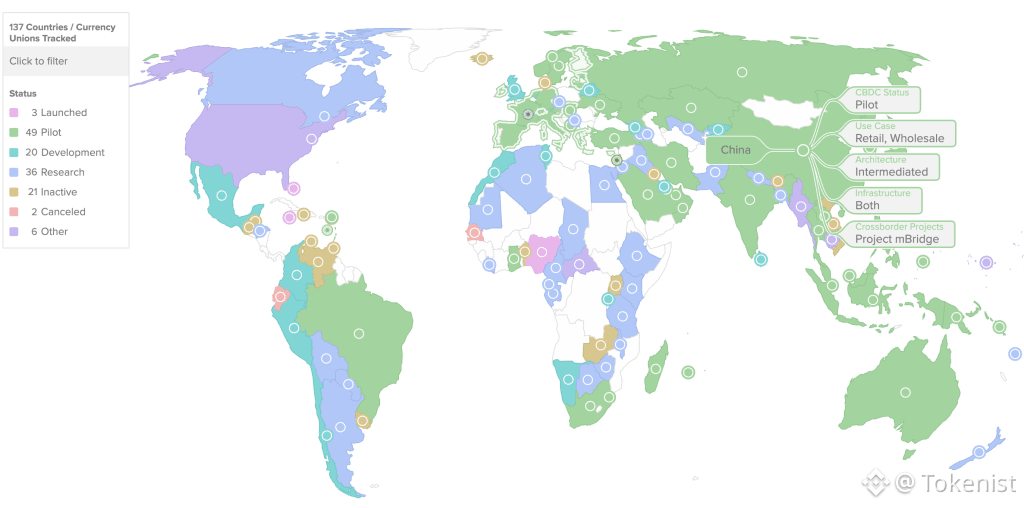 SOURCE: AtlanticCouncil.org
Beijing’s key requirement for offshore yuan stablecoins is prior regulatory approval, which allows the People’s Bank of China (PBoC) to maintain control over capital flows.
This limits the convertibility of offshore yuan accounts and requires issuers like Circle to enter into licensing relationships, with no established framework for Western crypto firms.
The PBoC’s e-CNY, a domestic retail CBDC with limited cross-border functionality, complicates matters by reinforcing Beijing’s preference for state-controlled digital currency over private issuance.
Additionally, US regulations, specifically the GENIUS Act, impose reserve and disclosure requirements for stablecoins that could interact with Chinese regulations in untested ways.
EXPLORE: Best Meme Coins to Buy Right Now
Disclaimer: The author does not hold or have a position in any securities discussed in the article. All stock prices were quoted at the time of writing.
The post Circle CEO Sees Digital Yuan Stablecoin Opportunity in New Cross-Border Payments Signal appeared first on Tokenist.