
🌍 1. Global monetary policy shifts to easing
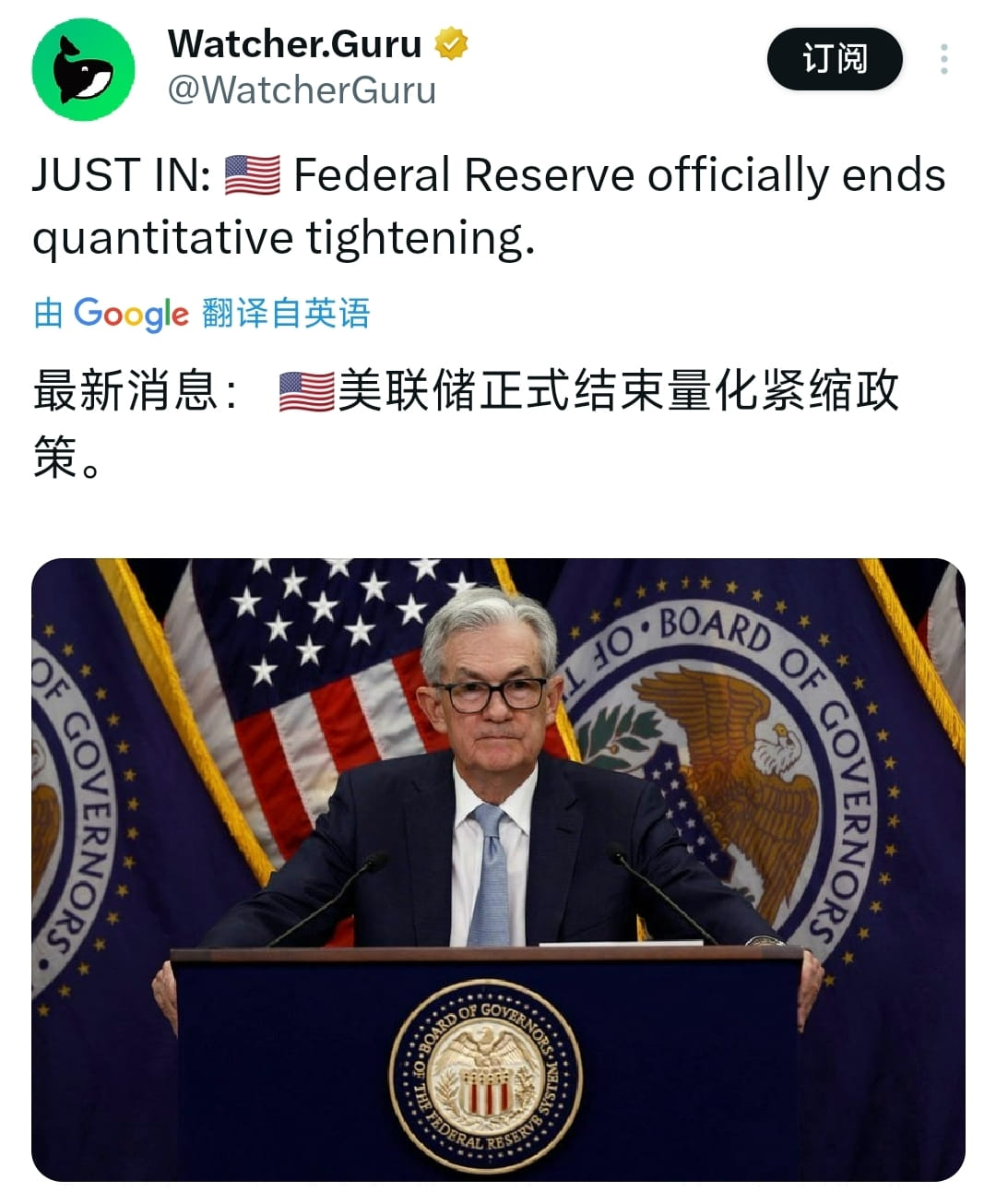
1. Strengthened expectations for Fed rate cuts
- Probability of a rate cut in December exceeds 84.7% (CME data); if implemented, it will promote global liquidity easing.
- US Treasury yields decline (10-year falls below 4%), reducing financing costs and boosting risk asset valuations.
2. Multiple central banks follow up with easing
- India: Expected to cut interest rates by 25 basis points in December, coupled with high economic growth (Q3 GDP growth rate of 7%), foreign capital inflow, stock market profit growth is likely to accelerate to 14%.
- UK: Inflation retreat paves the way for rate cuts, may reduce rates by 25 basis points in December to alleviate corporate debt pressure.
🌍 II. China's economic policy strengthens market stability
1. Central Economic Work Conference Preview
- The December meeting will set the tone for the '15th Five-Year Plan' launch, focusing on the 'fiscal expansion + monetary easing' combination.
Comprehensive analysis of the Bank of Japan's policy direction (as of December 2, 2025):
I. Current policy stance and latest dynamics
1. Interest rate levels and recent operations
- The benchmark interest rate remains at 0.5%: Since raising rates by 25 basis points in January 2025, the Bank of Japan has kept interest rates unchanged in four consecutive meetings (March, May, July, September, October).
- December interest rate hike expectations heat up: Recent hawkish signals from Bank of Japan committee members, including Junko Koizumi and Akira Noguchi, emphasize the need to advance interest rate normalization to address inflation risks, with market expectations for a December rate hike probability exceeding 50%.
2. Policy adjustment logic
- The actual interest rate is relatively low: The current nominal interest rate (0.5%) is significantly lower than the inflation rate (core CPI around 3%), resulting in a negative real interest rate, continuing loose financial conditions.
- Rate hike ≠ tightening: Governor Ueda Haruhiko emphasized that the rate hike is 'moderately easing off the accelerator rather than hitting the brakes,' aiming to balance economic stability and price stability to avoid runaway inflation.
🌍 II. Economic and inflation background
1. Economic resilience is evident
- Consumption resilience: Although rising food prices suppress non-durable goods consumption, improvements in employment, increased bonuses, and rising stock markets support overall consumption.
- Short-term fluctuations: The negative GDP growth in Q3 2025 is characterized as a 'temporary fluctuation,' with reduced uncertainty about the economic outlook.
2. Inflation continues to exceed targets
- Core CPI remains at 3%: Rising food prices are a major driver, and the wage-price transmission effect is strengthening.
- Long-term outlook: Core CPI is expected to briefly fall below 2% in the first half of FY 2026, but labor shortages and inflation expectations will push it towards the 2% target.
🌍 III. December interest rate hike expectations and market reactions
1. Key decision-making basis
- Wage growth momentum: The minimum wage increase in FY 2025 exceeds 5% (historical high), and the target for the spring 2026 labor negotiations is set at 'over 5%'; if wage growth is confirmed, it will strengthen the rationale for rate hikes.
- Exchange rate pressure: The weak yen (USD/JPY nearing 156) exacerbates imported inflation, government tolerance decreases, and the central bank's vigilance regarding the exchange rate's impact on inflation increases.
2. Market immediate reaction
- Ueda's speech triggered fluctuations: After Ueda stated on December 1 that 'if the economic outlook is realized, there will be a rate hike,' the yen appreciated in the short term (USD/JPY fell to 155.60), and Japanese government bond yields surged across the board (10-year yield reached the highest level since 2008).
- Sufficient policy space: Even if rates rise to 0.75%-1%, the real interest rate may still be negative, continuing a loose environment.
Summary: Short-term market fluctuations do not alter the long-term positive logic; under the resonance of policies and liquidity, December may be a key window for positioning in the cross-year market.


\u003cc-86/\u003e\u003ct-87/\u003e

