The latest U.S. non-farm payroll report shows that the unemployment rate has risen to 4.6%, significantly exceeding market expectations, while the number of new jobs added was slightly better than expected. Following the data release, market selling pressure intensified, triggering fluctuations in asset prices. The abnormal rise in this unemployment rate data reveals not only the structural pressures in the labor market but also serves as a key signal for predicting shifts in monetary policy and changes in liquidity, having far-reaching implications for the subsequent trends of risk assets like Bitcoin.
As a leading indicator of the economic cycle, unemployment rate data is a core metric for observing liquidity inflection points. When the unemployment rate breaks through historical trend levels, it indicates an increase in economic pressure signals, forcing the Federal Reserve's monetary policy objectives to shift from solely suppressing inflation to balancing economic growth and preventing recession risks. Historical experience shows that in every economic cycle since the 2008 financial crisis, once the unemployment rate persistently deviates from long-term averages, the Federal Reserve typically takes systematic easing measures: initiating a rate-cutting cycle, restarting balance sheet expansion (quantitative easing policy), and clearly indicating an easing stance through forward guidance. Such policy shifts may not be immediately reflected in asset prices but often signal marginal improvements in the liquidity environment.
The market has already priced in some expectations of an economic slowdown, but an unexpectedly worsening unemployment figure could accelerate expectations of a Fed policy adjustment. In the short term, the market may experience a period of intensified expectations of liquidity tightening, leading to downward pressure on risk assets. However, historical patterns show that during the confirmation cycle of a monetary policy shift, assets with anti-inflationary properties, such as Bitcoin, typically initiate a new round of upward movement after liquidity expectations stabilize. The underlying logic is that when the Fed shifts to easing to address downward economic pressure, excess liquidity will gradually seep into the risk asset sector, and Bitcoin's safe-haven properties and scarcity as "digital gold" make it an important allocation target during this liquidity overflow phase.
It's important to note that policy transmission has a time lag. From unexpectedly high unemployment to substantial easing of liquidity, the market typically undergoes a three-stage evolution: "expectation-driven speculation—policy confirmation—liquidity transmission." Therefore, at this stage, it's advisable to closely monitor statements from Federal Reserve officials and subsequent economic data to confirm these signals, while also combining technical analysis to seize opportunities for Bitcoin swing trading. Before liquidity expectations become clear, maintaining a moderately cautious approach and flexibly adjusting positions may be an effective strategy for dealing with short-term market volatility.
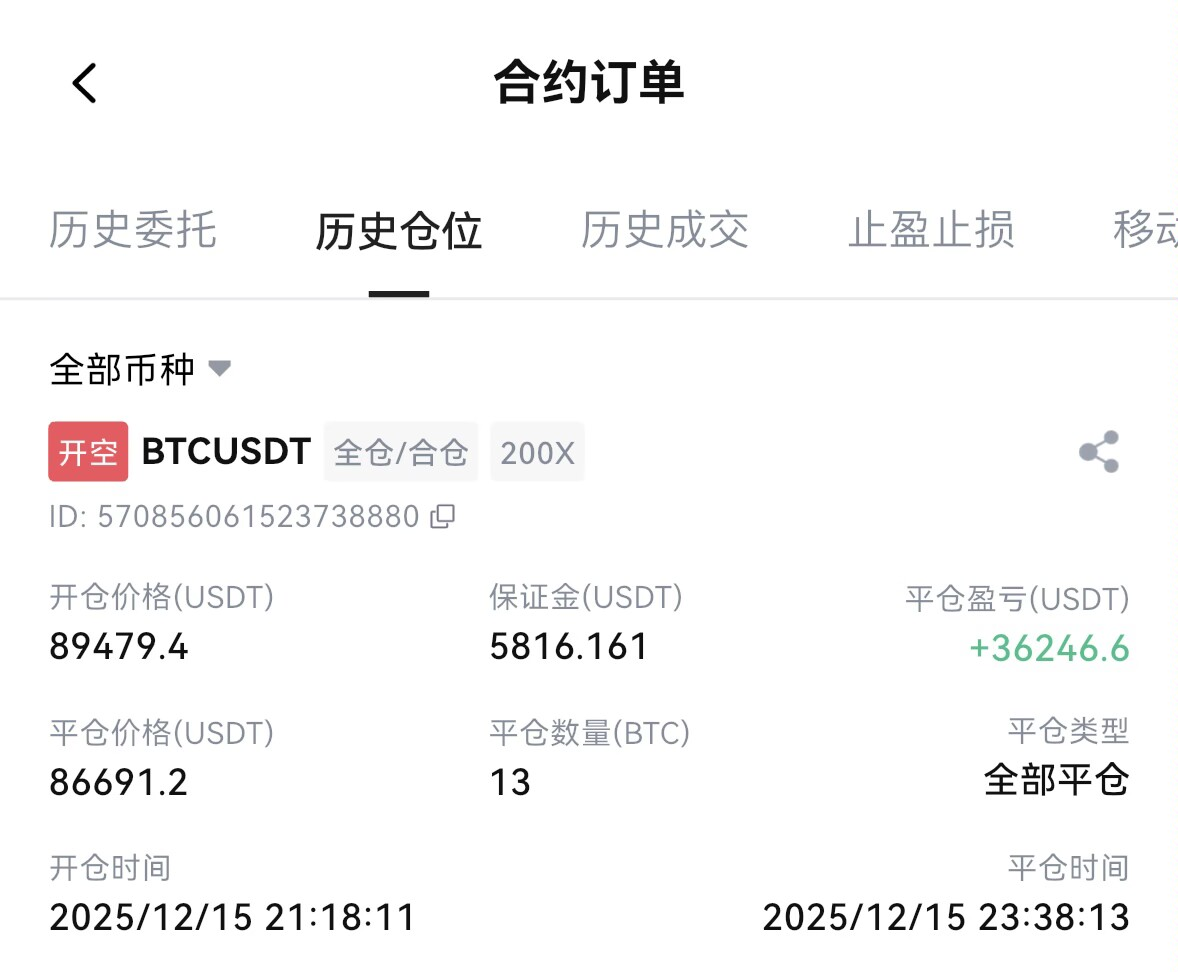
This is why Lao Wang has been saying recently that we should follow the general trend. In the long run, we should still short when the price is high. In the short run, we can still make long and short positions according to the trend, grab short-term profits, and take them in time. For swing trading, you can look for short positions when the price is above 90,000, and look for strong resistance levels to make positions. Just control your position size and manage it reasonably.$BTC #美国非农数据超预期