
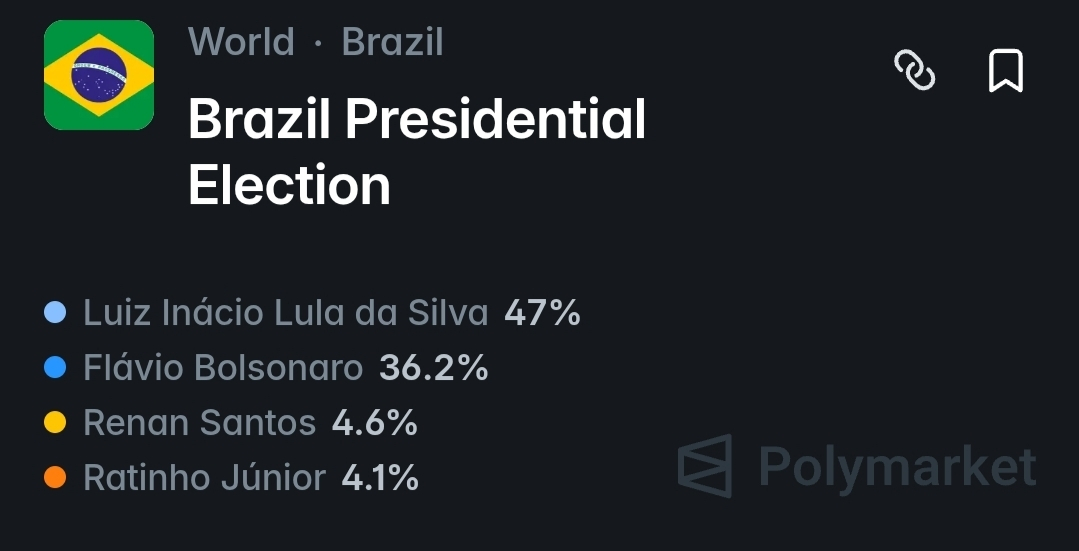
With the voting intention polls gaining traction in March 2026, the question that dominates Faria Lima is: what does Lula's leadership mean for the Stock Exchange? Many investors wonder if the market has already "got used" to the idea or if there is still room for major jolts. Here are the 3 crucial points to understand the moment:
1. The Myth of "Total Pricing" 🚫
The financial market works with probabilities, not certainties. Although Lula's leadership is a known scenario, the stock prices still reflect a polarized uncertainty. The consolidation of names like Flávio Bolsonaro in the opposition keeps the "technical tie" scenario alive, which prevents a definitive pricing. The market is still in wait mode.
2. The Fear is not of the Candidate, but of the Auditor ⚖️
Foreign and institutional investors do not focus solely on the political figure, but on predictability. The big question mark that generates volatility is not the victory itself, but:
Who will be the next Minister of Finance?
What will be the fiscal target plan for the period 2027-2030?
The lack of these answers is what drives the migration of flows to the dollar and global assets.
3. Highlighted Sectors (Winners and Losers) 📉📈
A left-wing victory tends to move the stock market asymmetrically:
Social Focus: Sectors such as Education and Civil Construction (Low Income) may anticipate gains due to the expectation of the expansion of government programs.
State-owned companies: Assets like Petrobras and Banco do Brasil tend to face greater volatility due to fears of interventions in governance and pricing policy.
💡 Conclusion
Do not expect "any change". The year 2026 promises to be marked by high volatility with each new TSE survey. The investor seeking protection has been paying close attention to international diversification and even to cryptocurrencies as insurance against the fluctuation of the Real.
And you, how are you positioning your portfolio in light of the 2026 electoral scenario? 👇