


Those who are familiar with me know that I previously worked at a futures company and have met some industry seniors!
Some are from the research department, some are seasoned futures players, and there is also a big player in the physical market! They deal in steel, copper, agricultural products, and chemicals! Because they need to hedge risks, they opened corporate accounts at the company.
I remember once during a weekend when the company held a small gathering, inviting some big clients for a small tea talk.
The habit in the trading circle is to discuss market trends, development, and methods! As discussions go on, they turn into debates 😂!
He says his fundamentals are good, he says his technical analysis is good, he says his cyclical theory is the most effective.
During the gathering, there was an elder brother around 60 years old who remained silent. After three rounds of tea, everyone encouraged him to share; he is relatively successful, focusing on soybean meal. The elder brother said: 'We can discuss, but there is no need to debate. Discussing results is valid, but debating is meaningless.'
An important principle in the trading circle: on the road of trading, do not attempt to change the fate of others, nor should you attempt to change your own fate through the methods of others!
Looking back over the past few decades, successful cases are few and far between! In the trading market, the only person you need to defeat is yourself. Communication with others should be brief, after all, the only one who can truly rewrite their trading trajectory is the trader themselves. This viewpoint also confirms a repeatedly validated truth in trading — never easily 'guide' others or be 'guided' by others in trading.
On this lonely road of trading, many people easily fall into two misconceptions: either they always want to point out others, trying to pull others onto their own cognitive track; or they always hope for others, expecting to rely on others' ideas to get themselves out of difficulties. A truly mature trader has long understood one thing — not to easily ferry others, nor to easily let others ferry oneself.
Every trader has their own trading system; some believe in moving average systems, while others stick to their exclusive holding periods. There is no absolute right or wrong between the two. If one insists on using their own trading logic to calibrate others' holding rhythms or rashly intervenes in others' stop-loss ideas, forcibly disrupting the other party's trading pace, what is ultimately consumed is not only one's own cognitive energy but also the hard-earned trading system of the other party. The trading industry has long had the saying 'a teacher should not walk a different path, and methods should not be passed lightly.' Even if one's own trading skills are exceptional, there is no need to force the other party to change their strategy, nor should one force themselves to absorb others' trading strategies and knowledge.
What truly enables a trader to make changes hinges on two core conditions:
Firstly, they have an extreme desire to break through the status quo and make changes;
Secondly, he is willing to pay the corresponding time, energy, and even financial costs for this change. If these prerequisites are lacking, the advice given rashly is often meaningless, especially when the other party has not actively sought advice; free trading suggestions may turn out to be the most 'expensive,' easily leading to conflicts and possibly putting oneself in unnecessary trouble.
A person can truly grow in trading not by being 'taught,' but through their own pain, realization, and execution, gradually taking shape. If others do not ask, you need not say much; if you have not figured it out yourself, it is useless no matter how much others say. Without experiencing others' drawdowns, do not judge their conservatism; without suffering others' losses, do not ridicule their caution.
Most people enter the trading market with the initial intention of pursuing quick profits, rather than genuinely understanding the market and refining their own trading systems. This is also why it is said, 'Although the path of trading is broad, it only ferries those with fate; regardless of how large the market is, it does not nourish grass without roots.'
In the world of adults, it’s only about selection, not education; in the trading circle, it’s only about being on the same frequency, not forcing demands. When encountering like-minded individuals, ideas can be exchanged, and insights can be shared; when meeting people with different perceptions, there is no need to argue, no need to persuade, and certainly no need to pull. You maintain your own system, they walk their own path, and mutual non-interference is the best respect.
In the trading market, when you meet fellow traders with aligned views, cherish the opportunity for communication; if the paths differ, you should part ways gracefully, after all, the market itself is full of uncertainty and change. True trading companions will never just echo words, but can resonate logically with you when a market crisis arises, offering mutual guidance and support.
For every trader, it is more important to focus on their own trading path. The core of trading is to do what one believes is right and to understand 'allowing others to be themselves and allowing oneself to be oneself'!
You cannot bear the losses of others in trading, just as others cannot earn profits for you in the market! Spending more time researching and managing your account's risk is being responsible for yourself and is part of growth.
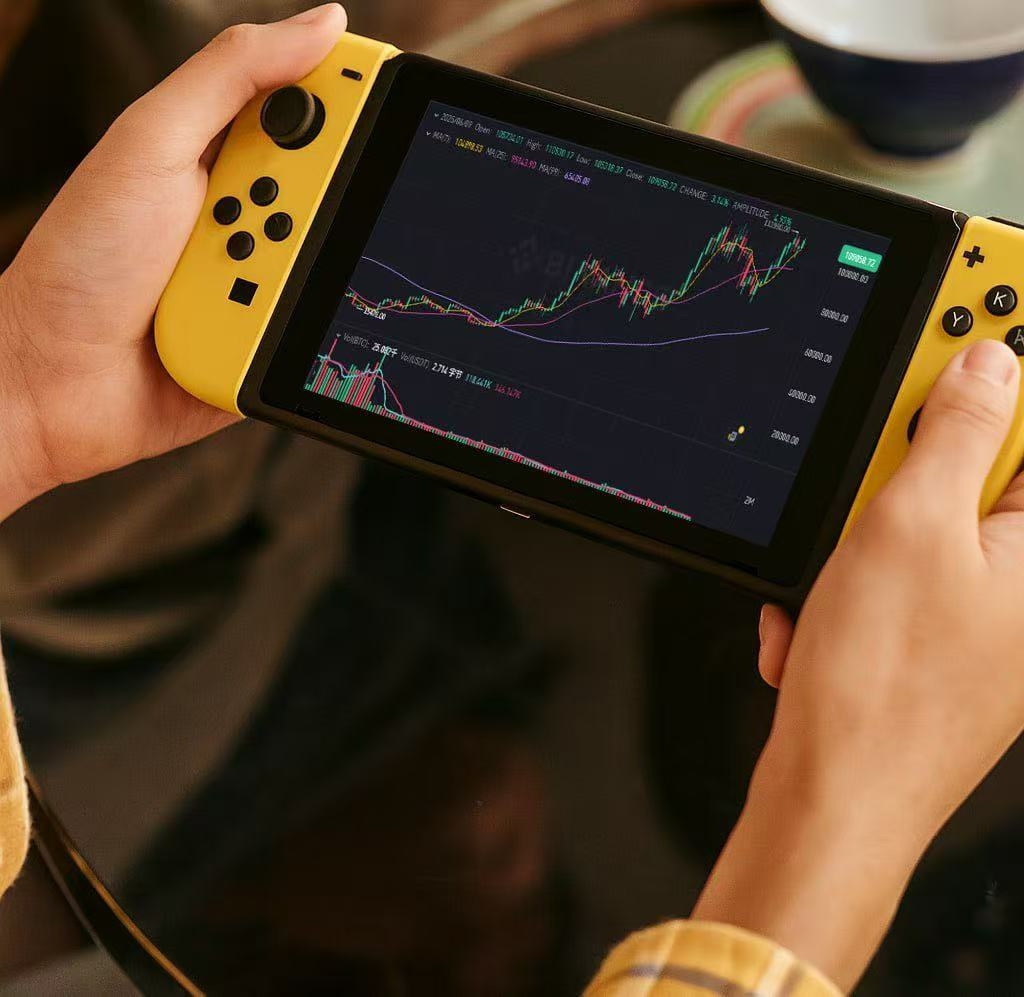
The core of trading freedom is the freedom of body and mind: it includes allowing oneself to make mistakes in the market, grow through mistakes, and also allowing others to take detours and take responsibility for their own choices. Everyone should focus all their attention on their own account curve, and concentrate on improving their own trading system to have a calm and composed trading life.#交易 #BTC $BTC
