

Essentially, Bitcoin (symbol: BTC) is a type of digital currency (or cryptocurrency)
The biggest difference between it and traditional currencies (like USD or VND) is that it is decentralized. This means that:
• No central bank controls it.
• No government or organization can intervene in the network.
Instead, Bitcoin operates based on a global peer-to-peer network of computers. Every transaction is recorded in a public ledger called the Blockchain.
⛓️ Core technology: How does Blockchain work?
You can think of Blockchain like a digital ledger that everyone can view but no one can alter what has been written.
1. Transaction: When one person (A) wants to send Bitcoin to another person (B), a transaction is created.
2. Block: This transaction, along with many others, is gathered together into a "block".
3. Validation: The computers in the network (called "miners") will validate the legitimacy of the transactions in this block.
4. Chain: After being validated, that block will be added to the end of the "chain" of previously existing blocks. Each block contains information from the block immediately before it, creating an unbreakable linked chain.
5. Immutable: Once data has been recorded on the blockchain, it is nearly impossible to change or delete.
⛏️ What is "Mining" Bitcoin?
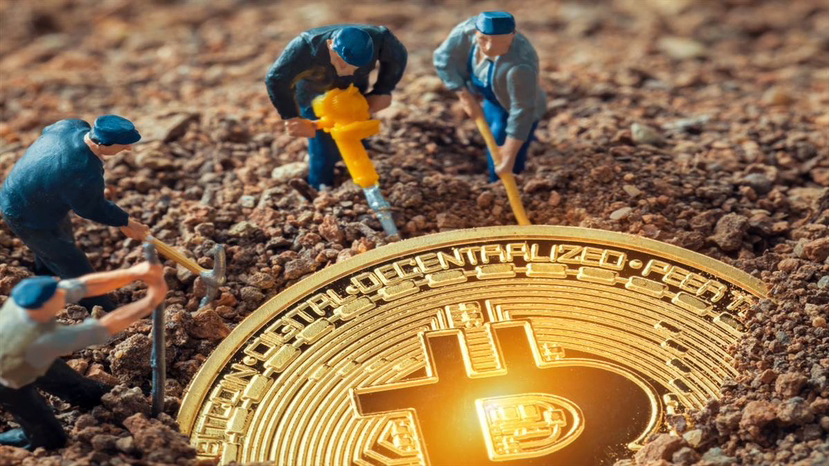
This is the crucial process that keeps the Bitcoin network operating securely and is also the way to create new Bitcoins.
• Who are the miners? They are "miners" who use high-power computers.
• What do they do? They compete with each other to solve complex cryptographic problems. The first one to solve it gets the right to add the next block of transactions to the blockchain.
• What is the reward? Upon completion, the miner receives two things:
1. Block reward: A certain amount of new Bitcoin is created (this is how new Bitcoins come into existence).
2. Transaction fees: The total fees from the transactions they just validated in that block.
An interesting detail: Every 210,000 blocks (about 4 years), this block reward will be halved. This event is called "Halving" and is designed to control inflation.
✨ Key features of Bitcoin

• Decentralized: As mentioned, no one owns or controls Bitcoin. The network is operated by all participants.
• Limited Supply: There will only be a maximum of 21 million Bitcoins in existence. This limited supply is designed to make Bitcoin scarce, similar to gold.
• Transparent: All Bitcoin transactions are publicly recorded on the blockchain and can be viewed by anyone.
• Pseudonymous: Transactions are not linked to your real name or address, but to a "wallet address" (a string of characters and numbers). However, if your wallet address is linked to your real identity, transactions can be traced.
• Irreversible: Once a Bitcoin transaction has been confirmed, it cannot be reversed or refunded.
• Global: You can send and receive Bitcoin from anywhere in the world with just an internet connection.
💡 What is Bitcoin used for?
1. Storing value: Many people see Bitcoin as "digital gold". They buy and hold it with the hope that its value will increase over time due to its scarcity.
2. Medium of exchange: Although not as popular as traditional currency (due to its volatile price), Bitcoin can still be used to purchase goods and services at places that accept it.
3. Cross-border payments: Sending Bitcoin abroad is often faster and can be cheaper than using traditional banking systems.
I hope you gain a lot of value from this article. Would you like to learn more about how a "Bitcoin wallet" works or about the "Halving" event? Follow me for more updates 🥰🫰
Hera Crypto Writer 🦊