
The macroeconomic landscape and global geopolitical tensions have teamed up to test Bitcoin's (BTC) resilience this Wednesday, June 10, 2026. On a day marked by high volatility, traders are in maximum caution mode, digesting crucial inflation data from the US and escalating conflicts in the Middle East.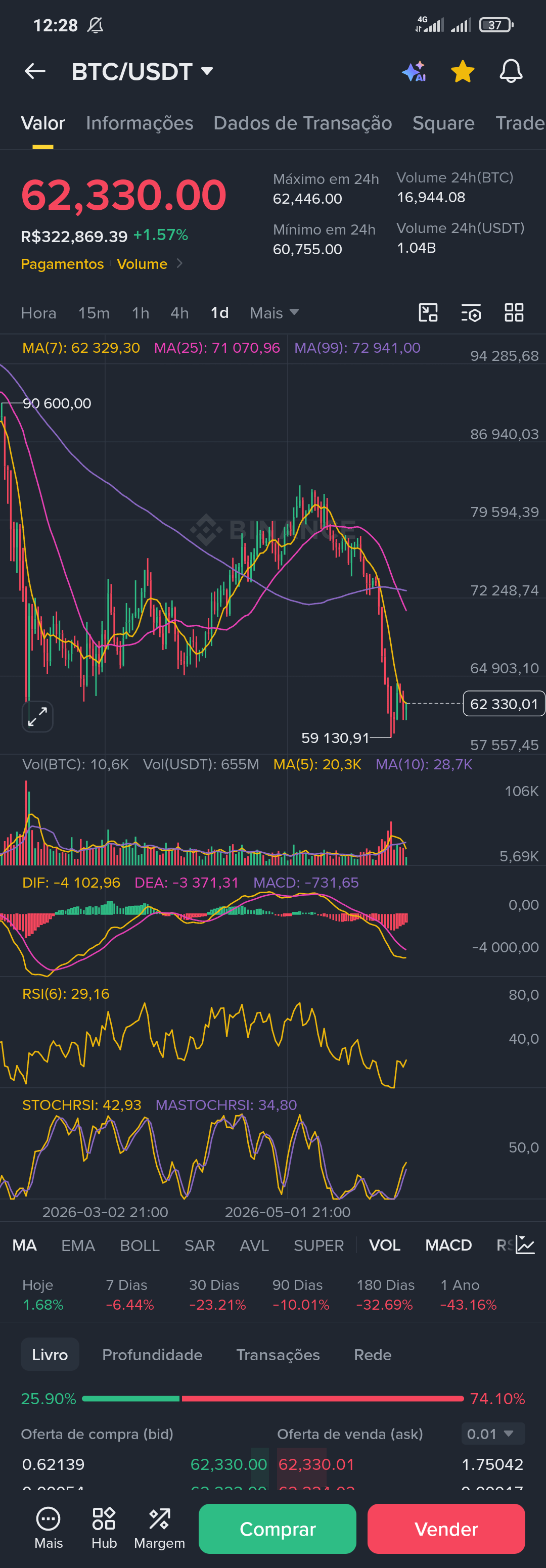
US Inflation (CPI) Accelerates and Alters Fed Plans
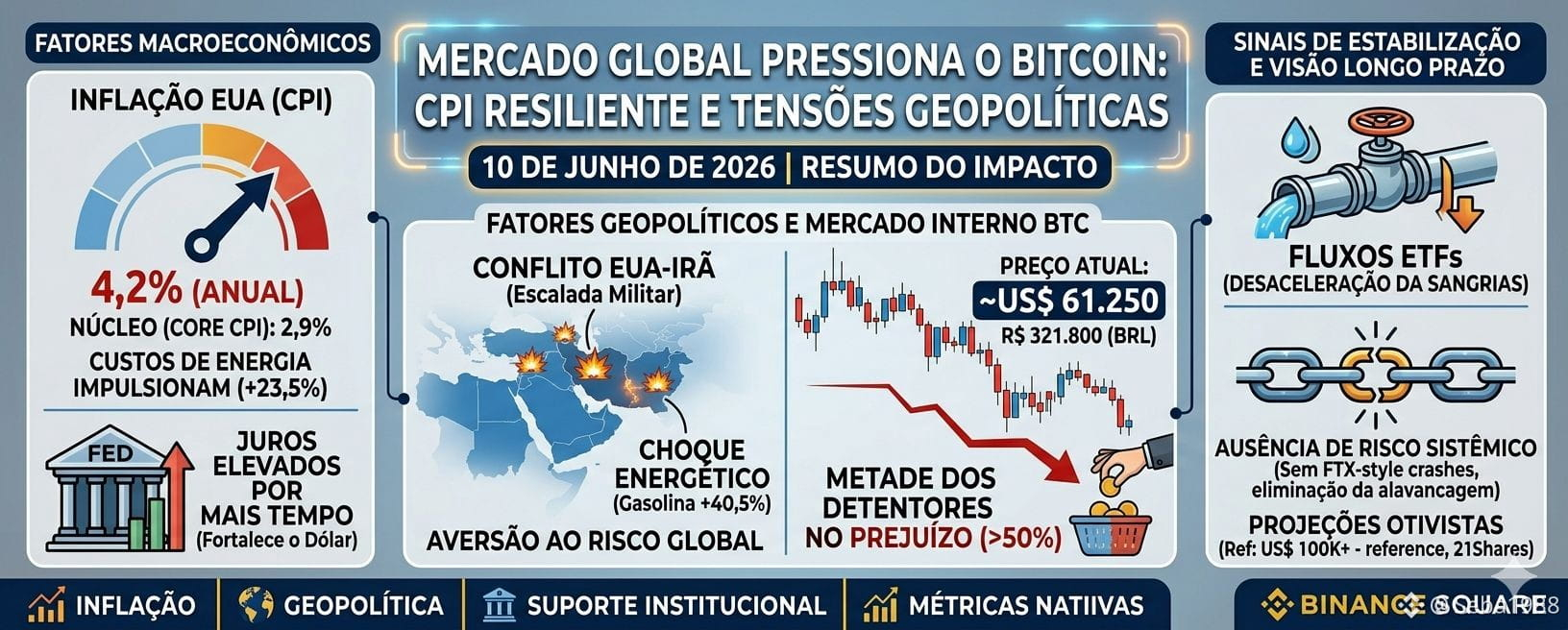
The US Consumer Price Index (CPI) for May has just been released, showing a 4.2% year-over-year increase. The core inflation (Core CPI) came in at 2.9%. While the numbers are within the general market expectations, they raise a red flag: American inflation remains "stubborn" and resilient, heavily driven by energy costs.
For Bitcoin and the digital asset market, the impact is direct. With inflation far from target, the Federal Reserve (Fed) has strong arguments to keep interest rates high for longer. High rates in the U.S. tend to strengthen the dollar globally and drain liquidity from risk markets, imposing a barrier to aggressive recoveries of BTC in the very short term.
Geopolitics and the Shock in Energy Costs
The escalation of military tensions between the U.S. and Iran has added even more risk aversion to the financial landscape. Following retaliation episodes and attacks in the Middle East region, the commodities market reacted strongly. Energy costs in the U.S. have seen a significant spike, which directly contaminates inflation indices and creates a climate of global uncertainty. In times of severe geopolitical instability, institutional capital often migrates preemptively to traditional safe havens, resulting in technical sell-offs in the crypto sector.
BTC Technical Outlook: Over 50% of Holders at a Loss
In the native Bitcoin ecosystem, the price is fluctuating in the range of $61,000 to $61,500 (approximately R$ 321,800). The reflection of this long technical correction was measured today by data from K33 Research: for the first time since late 2022, over 50% of the entire circulating supply of Bitcoin is being traded at a loss compared to investors' original purchase price.
On the flip side, there are signs of stabilization. Capital outflows from Bitcoin spot ETFs in the U.S. have started to slow down in recent hours, reducing immediate selling pressure. Market analysts note that, unlike the systemic crash of 2022 (with episodes like FTX), the current crypto market structure is robust, free of leverage excesses, and shows no signs of insolvency among major players. The current movement is purely a reflection of macroeconomic dynamics and global monetary tightening.
The market is now watching to see if the buying support will defend the psychological level of $60,000 or if we will test new lows before the weekly close.
#OilVolatilityReturnsToPreIranWarLevels #BTC #BinanceSquare #strategy #Geopolitics