
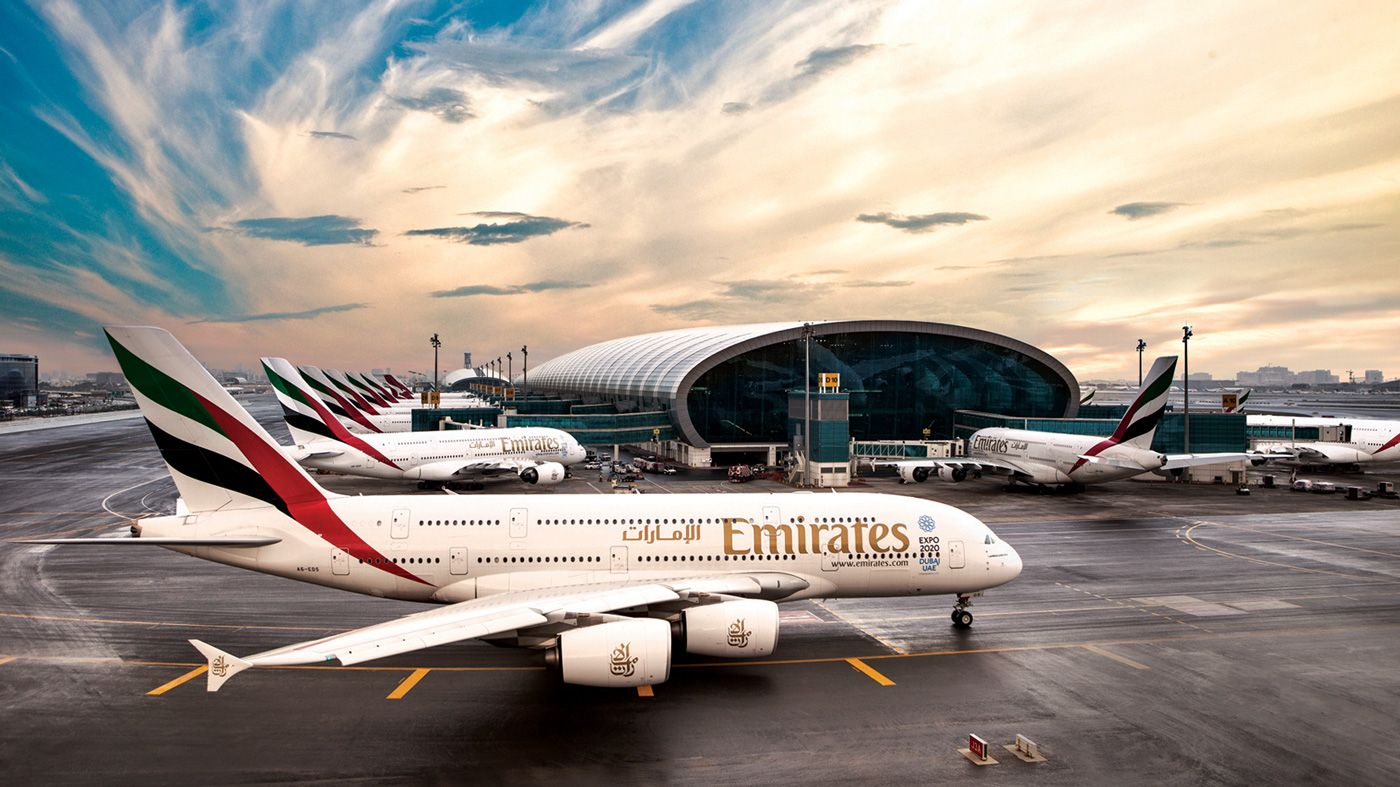
Emirates Airlines is rolling out special insurance for its passengers to entice them to fly to Dubai or transit through this hub. The carrier is taking this step despite several governments officially advising their citizens to avoid traveling to the Middle East due to security risks, writes The Financial Times (FT).
Details
Emirates is ready to guarantee the return of people to their departure countries, if necessary using flights from other airlines, including competitors. This way, Emirates hopes to alleviate the main concerns of travelers about being cut off from the world and getting stuck abroad in the event of another escalation, stated airline president Tim Clark in an interview with FT.
More than three months into the war in the Middle East, several countries still do not recommend flying to the region, which prevents travelers from securing insurance for trips to Gulf countries or transiting through them.
Clark added that the airline is working with insurance companies on launching its own product at a "reasonable price" to assure passengers: the airline will "bring them back regardless of whether these are Emirates flights or not."
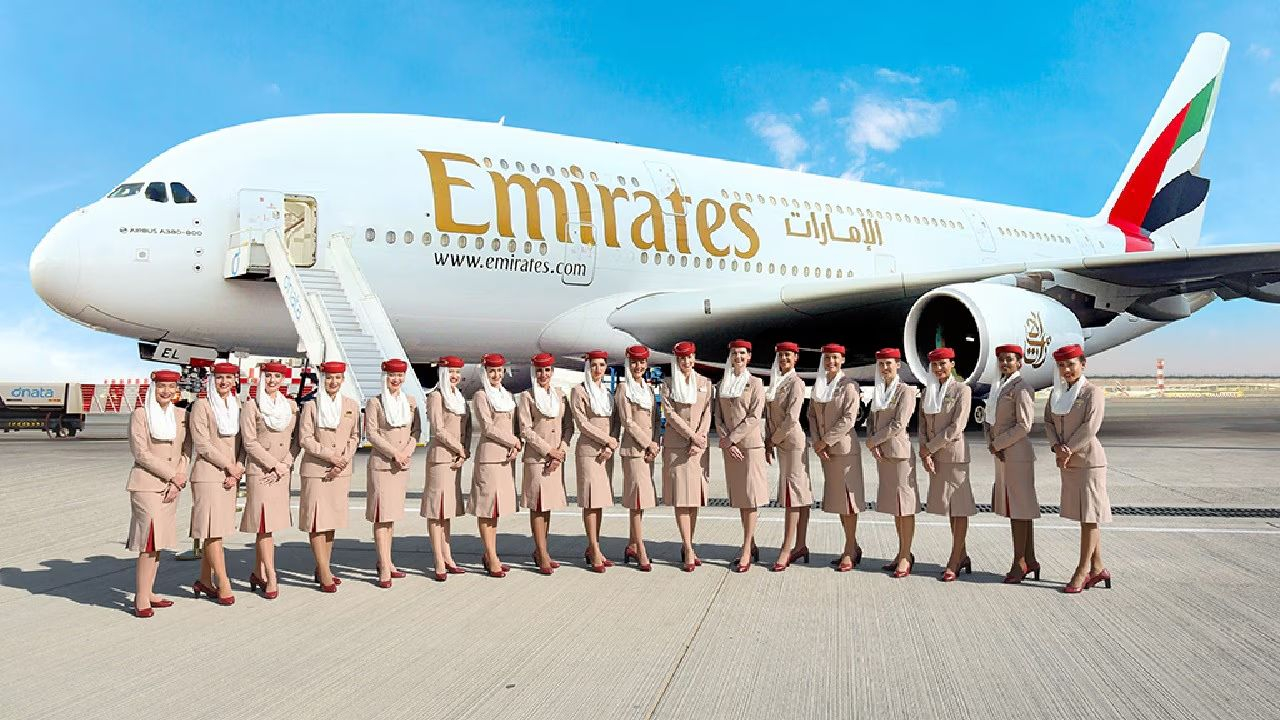
"I think one of the main concerns for people is that they might get stuck abroad and not be able to return," noted Clark.
Context
Daily, about 40,000 people transit through Dubai airport, writes the Financial Times. This figure has decreased from nearly 100,000 people per day before the conflict in the Middle East began. However, according to Emirates' president, this figure is now "growing rapidly" despite the lack of a final agreement between the US and Iran.
The return of passengers on Emirates flights is happening faster than expected. Last week, the airline reported a small profit after recovering around 80% of its pre-war flights, according to FT. The profit last week was "not planned at all," added Emirates' president. The airline, he stated, is "significantly ahead" of its "terrible loss forecast" for the first quarter, which will last until the end of June. The carrier's break-even point in the current financial year (ending March 31, 2027) will be a "normal" outcome as long as the company can maintain a positive cash flow, Clark said.
On June 11, it became known that senior officials from the United Arab Emirates (UAE) and Iran, responsible for national security, met in person for the first time since the beginning of the war in the Middle East, Bloomberg sources reported. The meeting, according to them, marked a sharp turnaround in relations between the parties and occurred amid growing recognition of the importance of calmer bilateral ties.
Since the beginning of the war in the Middle East, the UAE has faced the highest number of Iranian attacks compared to other countries in the region. In response, Abu Dhabi has launched counterstrikes. However, it seems that the Emirates are now shifting strategy and following the paths of Qatar and Saudi Arabia. These states, also affected by Tehran's actions, are betting on diplomatic tools to ease geopolitical tensions, Bloomberg notes.
With us (in this group!), it’s usually those (subscribers!) who are in search of fresh and relevant news, who don’t want to sift through dozens of different sites and news outlets, and can afford to read all the most interesting stuff in one news feed!!! 😉
Enjoy the show!!! 😊
Meanwhile, we will continue the search for fresh and interesting news. 🤫