
By the time 2026 rolls around, it’s hard to recognize @Yield Guild Games from the simple “scholarship guild” people first heard about during the play-to-earn boom. What began as a coordinated way to rent NFTs to players has been pulled apart, reassembled, and progressively formalized into something closer to a protocol layer for Web3 games than a traditional community. The transformation didn’t happen overnight. It came from a series of realizations about what actually breaks in Web3 gaming and who is in the best position to fix it.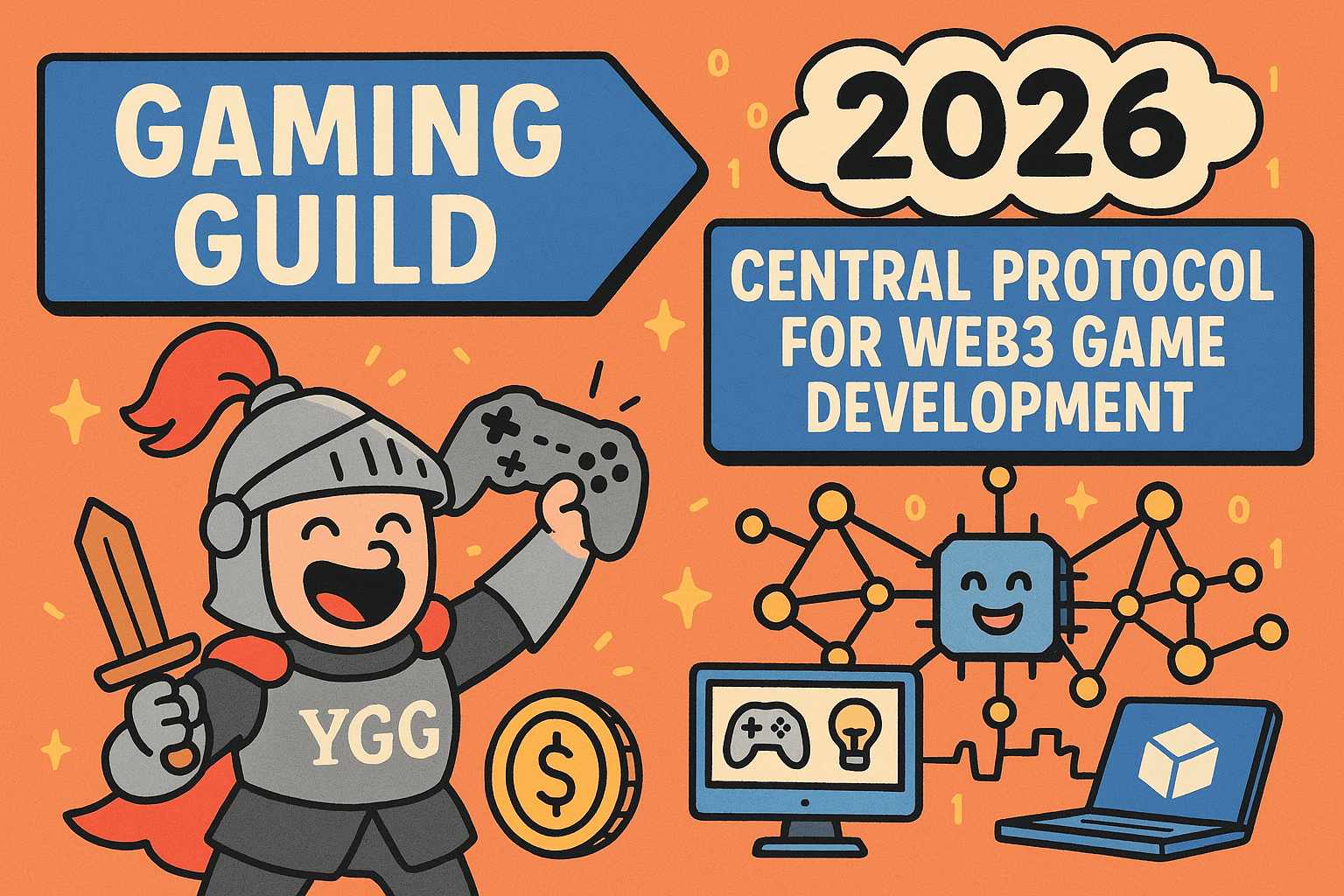
In the early days, YGG’s power came from access. The guild pooled capital, acquired in-game assets, and matched them with players who couldn’t afford the upfront cost. It made sense in a bull market, but the model had a built-in ceiling. Revenues depended heavily on a handful of games and fragile token economies. When those faltered, the “scholarship” framing stopped looking like innovation and more like leverage on game-specific risk. YGG could either cling to that model or accept that its real asset wasn’t the NFTs—it was the network of players, organizers, and data it had built around them.
The pivot toward becoming a protocol began with reputation. The Guild Advancement Program, originally launched as a way to reward early community members, quietly became a prototype for an on-chain résumé system, tracking how players moved through quests, games, and roles over time. It turned out that proving someone had shown up, learned a game, and contributed to a community was more durable than proving they held a particular asset. By 2024, this thinking crystallized in the Guild Protocol concept and the evolution from a single guild into the first Web3 protocol designed to enable the creation and growth of on-chain guilds, not just one.
From there, the architecture started to look less like a DAO with a big treasury and more like a stack. At the bottom sits identity and reputation: wallets enriched with history—quests completed, tournaments played, roles held across different games and sub-communities. Above that, a quest and rewards engine that lets studios and ecosystem partners design missions, align incentives, and route value to the exact kinds of players they want to attract. On top of it all, a mesh of subDAOs and regional guilds that localize culture, language, and operations while still plugging into the same shared rails.
For developers, this matters because distribution is no longer just a marketing problem; it’s a protocol problem. A new game can integrate with YGG’s infrastructure and instantly reach a network that already understands wallets, gas, and on-chain assets, instead of trying to teach these concepts from scratch. YGG’s partnerships and investments across gaming projects and infrastructure—ranging from game studios to identity and data layers—reinforce this role, positioning it as a strategic allocator that helps shape the broader stack developers depend on.
On the technical side, the integration with Immutable’s Passport and zkEVM stack is a good example of how this “central protocol” role shows up in practice. Rather than building its own chain from scratch, YGG leans on a specialized gaming infrastructure and focuses on what it does best: connecting players, reputation, and incentives. The collaboration aims to give studios a path where user onboarding, wallet creation, and scaling are handled under the hood, while YGG pipes in players, quests, and liquidity. In parallel, the rise of Layer 3 gaming networks—like the Yaiba L3 where YGG Japan is involved—pushes more of the action into high-throughput, game-optimized environments, with YGG acting as the social and economic bridge between them.
By late 2025, YGG’s own ecosystem reflects this shift. It isn’t just brokering access to games; it’s curating them, hosting massive player-focused events, and giving creators and studios a live stage to test ideas with real players. The YGG Play Summit in Manila has grown into a flagship gathering where thousands attend in person and many more participate online, blending esports, community meetups, and developer showcases in a single venue. The YGG Play Launchpad extends this into a structured pipeline for new titles and tokens, giving developers a way to bring their projects to a battle-tested audience that actually plays, not just speculates.
As this all matures into 2026, the phrase “central protocol for Web3 game development” doesn’t mean YGG dictates standards from above. It means that for many studios, plugging into YGG is the default move when they want a living player base, reputation-aware onboarding, and programmable incentives that actually reach the right people. Instead of each game trying to recruit, train, and retain its own fragmented community, they tap into a shared player network layer where reputation, identity, and incentives follow the person, not the title.
There’s still plenty of risk. Token prices remain volatile, and no protocol, no matter how sophisticated, can fully insulate players or developers from broader market cycles. YGG’s own token has seen dramatic swings over the years, reflecting both speculative cycles and the market’s evolving understanding of what the project is trying to become. But that volatility also forced a deeper question: if the narrative is only about “number go up,” the whole thing collapses when it doesn’t. The evolution toward infrastructure, reputation, and long-term partnerships is, in many ways, a direct response to that lesson.
What makes YGG’s trajectory in 2026 interesting isn’t just that it survived the play-to-earn crash or that it ships new features and partnerships. It’s that it has slowly repositioned itself where the real leverage is: between players, games, and the networks they run on. In that space, a protocol that understands human motivation, local culture, and on-chain mechanics at the same time can do more than just fund games. It can quietly shape how Web3 games are designed, launched, and sustained—turning a gaming guild from the bull market era into a piece of core infrastructure the next cycle will take for granted.
@Yield Guild Games #YGGPlay $YGG


