
🇯🇵Japan, once a leader in the crypto world, is now trying to regain its lost glory by reducing taxes from 55% to a flat 20% and reclassifying cryptocurrencies as financial instruments. But this is not a rescue; this is a ticking time bomb! Instead of stimulating investors, these changes will increase risks, benefit the wealthy, and leave ordinary people vulnerable to hacks and volatility. According to data from Chainalysis, Japan has been the target of multiple attacks, including the hack of DMM Bitcoin for $305 million in 2024, and in 2025, Bybit suffered a similar blow. These reforms will only attract more speculators without addressing the underlying issues.
🔑 Key Takeaways
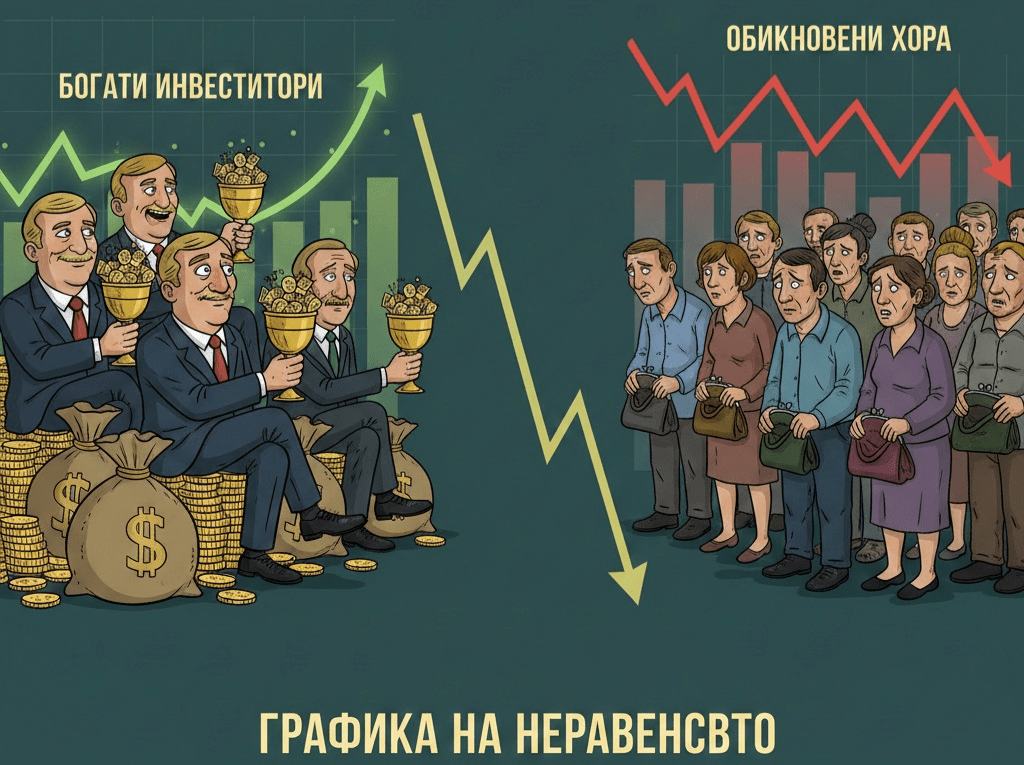
🤯 Japan is reducing crypto taxes from 55% to 20%, but this will mainly benefit wealthy investors, increasing inequality. The reclassification under the Financial Instruments and Exchange Act (FIEA) will impose strict rules that will raise costs for exchanges and lead to consolidation, leaving small firms behind. According to BeInCrypto, shares of companies like Metaplanet have fallen by 75% from their peaks in June 2025 due to regulatory pressures, and Convano lost 60% of its value since August. Investor protections? They are just a facade that will not stop the next hack. Over 22% of former investors have left due to tax complexity, but now volatility (61.4%) and risks of losses will increase.

📜 Regulatory Reclassification and Tax Reform
🚫 This "reform" moves Bitcoin and other crypto from Payment Services Act to FIEA, equating them with stocks and bonds, but at what cost? According to Global Legal Insights, in 2025, Japan will introduce new licenses for intermediaries that will increase bureaucracy and slow down innovation. The tax cut to 20% sounds attractive, but critics from CRF India emphasize that it will reduce state revenues while wealthy speculators profit. The previous 55% tax was criticized, but now the flat tax will encourage risky investments without addressing losses, investors cannot carry losses forward. Crypto Daily notes that the Travel Rule introduces partial transparency but violates privacy, causing investors to be more cautious. This will lead to less capital and greater volatility.

📉 Market Context and Impact on Investors
💸 The crisis of confidence in Japan is deepening! Data from the Financial Services Agency shows that 60% of investors complain about tax complexity, and 61.4% about volatility - but the new rules will worsen this. According to Coingeek, mandatory reserves for losses from hacks will increase costs for exchanges, which will be passed on to consumers through higher fees. By 2025, Japan is not implementing Basel crypto regulations until 2026, as noted by Central Banking, due to limited exposure, indicating a lack of readiness and potential systemic risks. Bitcoinsensus warns of liquidity crises as Japanese interest rates rise, creating barriers for crypto markets. Retail investors aiming for long-term wealth accumulation (62.7%) will lose, while institutions will benefit.
🛡️ Enhanced Protections and Compliance
⚠️ Under FIEA, 105 crypto will be under strict rules requiring full disclosure and reserves for losses, but this is an illusion of security! According to Finance Magnates, this will increase costs for small firms, leading to monopolies. Hacks like Coincheck ($530M) and DMM continue despite regulations. Law.asia notes that classifying crypto as financial assets will introduce rules against insider trading, but will slow down the market. Stockstotrade highlights negative earnings and margins for companies like Circle Internet, showing fiscal issues. These "protections" will drive investors away, reducing liquidity.

🔮 Market Outlook
🌪️ The legislative package for 2026 is doomed to fail! Analysts see "bullish" signals, but the reality is grim, according to Bloomberg, 2026 will have more risks and less optimism. Japanese regulations will slow growth while other countries advance. Digital Watch Observatory notes that the new classification will lead to more market access issues and insider trading. Long-term investment goals will be unattainable amid heightened risks. Japan risks becoming a warning for the world.

This "reform" is a step backward, attracting speculators and ignoring risks. Japan must rethink before it is too late!
