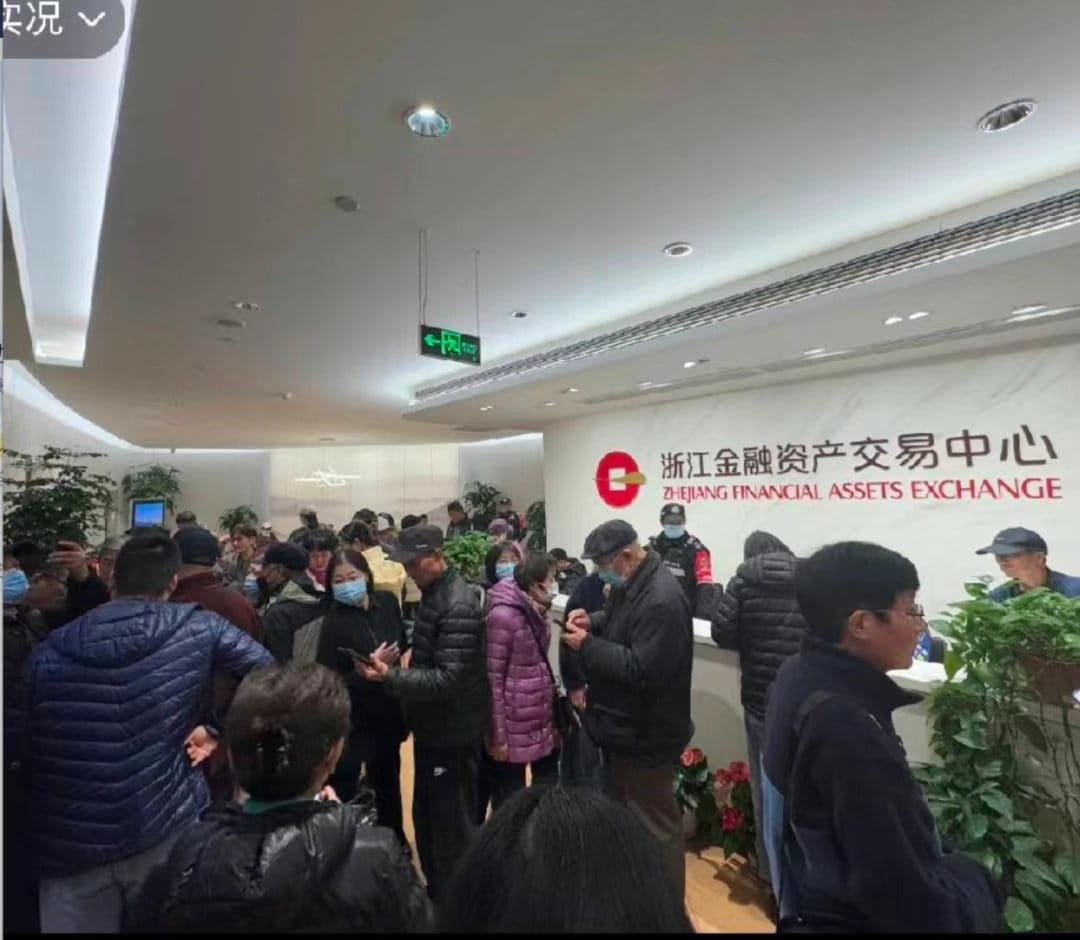
In the last two days (December 8-9, 2025), news about the "Zhejiang State-owned Assets Background Financial Center Exploding" has rapidly spread on the internet, mainly referring to the fact that multiple financial products on the Zhejiang Financial Asset Trading Center (referred to as the Zhejiang Financial Center) have matured and cannot be redeemed, involving a fund scale of over 20 billion yuan, affecting nearly ten thousand people. The core of this matter is the default of the products from the Xiangyuan system (Xiangyuan Holdings Group) on the platform, triggering panic rights protection among investors.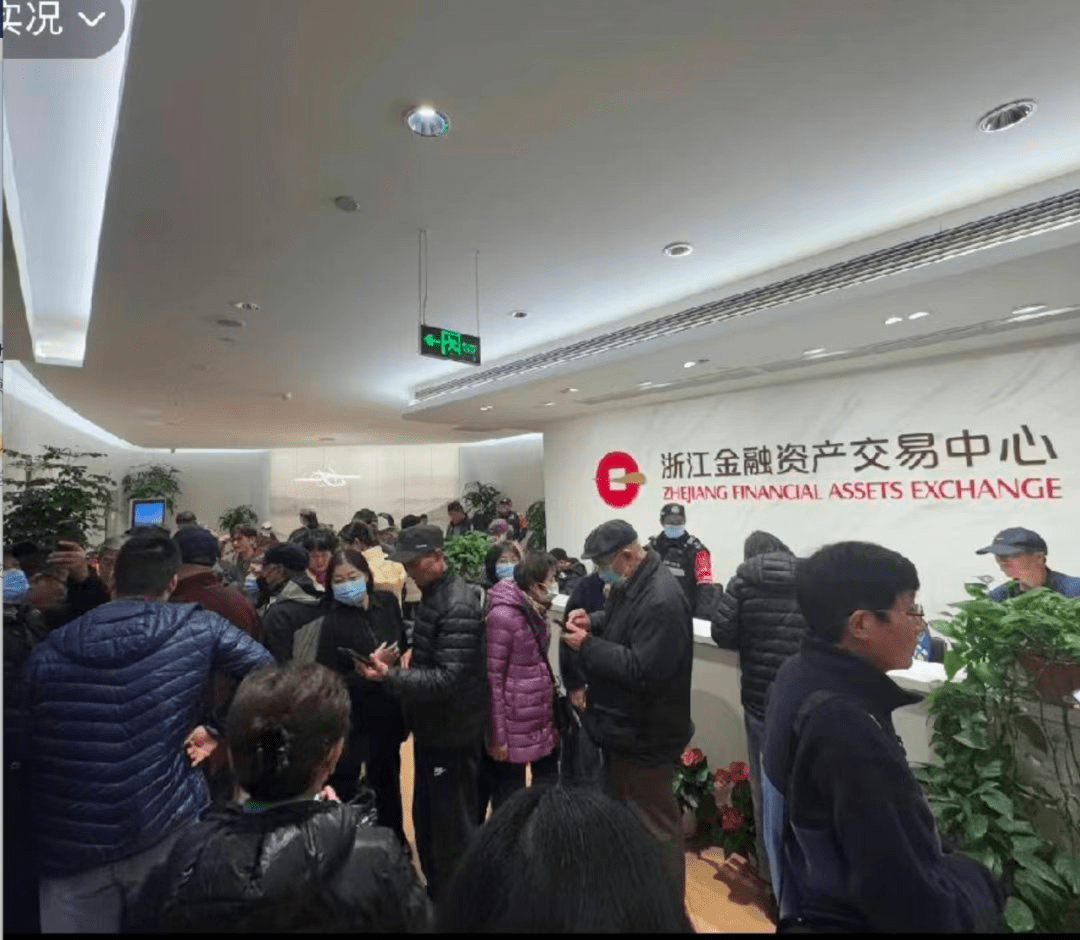
#### Event Timeline
- October 2024: The Zhejiang Provincial Local Financial Administration canceled the financial asset trading qualifications of the Zhejiang Financial Center (only retaining the responsibility for the disposal of existing business).
- In January 2025: the company was renamed 'Zhejiang Zhejiang Financial Asset Operation Co., Ltd.', with the major shareholder changed to the private enterprise Hangzhou Minzhi Investment Management Co., Ltd. (holding about 58.57%), significantly reducing the proportion of state-owned shares, but the platform's promotion still uses the old name and 'state-owned background' image.
- By the end of November 2025: multiple products on the platform are due and cannot be withdrawn, the APP has closed the withdrawal function, and the system prompts 'system upgrade.'
- From December 6-9, 2025: hundreds of investors went to Hangzhou Zhejiang Financial Center or Shaoxing Xiangyuan Building to defend their rights, with intensive media coverage, leading to a full-blown incident.
#### Characteristics of the explosive products
- Low yield (4%-5%), minimum investment threshold of 100,000-200,000 yuan, viewed by investors as 'stable wealth management.'
- The underlying assets are highly concentrated in Xiangyuan Holdings' real estate and cultural tourism projects, guaranteed by Xiangyuan Holdings and its actual controller Yu Faxiang.
- Xiangyuan's funding chain has collapsed: affected by the downturn in real estate, sales are sluggish, and it is difficult to continue borrowing new to repay old debts, with signs of overdue bills and project stagnation already evident.
#### Why did it explode despite seeming like 'state-owned assets + low interest'?
- The halo of state-owned assets misleads: there were indeed state-owned shareholders from Zhejiang, Ningbo, Shenzhen, and other places in the early stages, but the equity has changed multiple times, and the actual control is in private enterprises. The background of platform shareholders does not equal product guarantees, and state-owned assets do not assume joint liability.
- Low returns do not equal low risk: the underlying products are high-risk real estate financing, with high platform fees (approximately 4-5%), and actual financing costs of 8-9%.
- Regulatory changes: After the qualifications were revoked, the platform continued to sell existing products normally, and investors did not fully perceive the risks.
#### Current progress
- The Zhejiang Province Petition Office, Financial Office, and others have established a special task force responsible for asset investigation and disposal.
- Xiangyuan Holdings stated that it is in communication to handle the situation, but the funding chain has been broken, making it difficult to fulfill obligations in the short term.
- Related listed companies (Xiangyuan Cultural Tourism, Haichang Ocean Park, Jiaojian Co., Ltd.) urgently announced a separation: the products are unrelated to the listed companies and do not bear repayment responsibilities.
- Investors face difficulties in defending their rights: even if they win the lawsuit, they may still encounter the situation of 'winning the case but not receiving the money.'
#### Lessons and reminders
This incident once again shattered the common illusion that 'low returns = safety' and 'state-owned background = guaranteed redemption.' Local financial exchanges/asset trading platform products carry high risks, and investors should look through to the underlying assets, equity structure, and qualifications, rather than just relying on surface endorsements. The incident is still developing, and it is advisable to pay attention to official reports.