
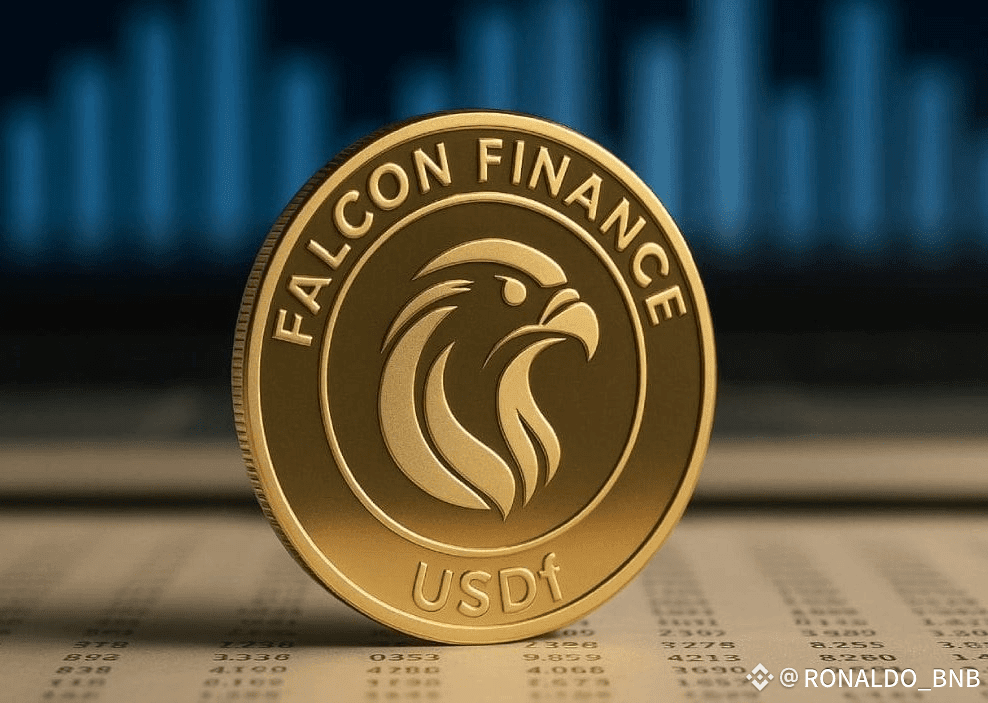
I don’t know about you, but I’ve often felt stuck holding crypto while life moves on. You want liquidity, you want opportunities, but you don’t want to sell what you believe in. That’s exactly why Falcon Finance exists. They’re building the first universal collateralization infrastructure on-chain. It’s a place where you can lock up your assets and access dollars without losing them.
I’m excited because this isn’t just another stablecoin or lending platform. They’re creating a foundation where many types of assets, from regular crypto tokens to tokenized real-world things like property or bonds, can become collateral. From that, you can mint USDf, a synthetic dollar that’s stable, safe, and usable.
If you’ve ever wished your crypto could work for you without giving it up, Falcon Finance could be the answer.
The Idea Behind Falcon Finance
At its heart, Falcon Finance is about freedom. You lock up your assets and get USDf. You can trade it, invest it, or just hold it as liquidity, all while keeping your original assets. You don’t have to sell your Bitcoin or your tokenized property to get cash when you need it. That feeling of holding and still moving is freeing.
They’re not just issuing another stablecoin. They’re building infrastructure so other protocols, wallets, and apps can plug in. USDf becomes money you can actually use while your assets stay safe. This could transform the way people interact with crypto and tokenized real-world assets.
Features That Matter
Collateral Diversity
Falcon Finance accepts liquid crypto, wrapped tokens, and tokenized real-world assets. That means your favorite altcoin or a piece of tokenized property can become collateral to unlock dollars. They set clear limits to make sure your exposure is safe.
Overcollateralized USDf
Every USDf is backed by more value than it represents. This safety cushion keeps the synthetic dollar stable, even in volatile markets.
Composable Integrations
USDf isn’t stuck in Falcon Finance. You can move it to DEXs, wallets, and yield platforms. You can use it in liquidity pools, for margin trading, or for other financial opportunities without friction.
Dynamic Risk Management
Falcon Finance constantly monitors markets. If volatility spikes, collateral requirements adjust. If things calm down, efficiency improves. The system is automated but understandable so you’re never left guessing.
Liquidation Safety
Liquidations are part of overcollateralized systems, but Falcon Finance designs them to be fair, predictable, and protective of users.
User-Friendly Experience
The interface is simple, with clear simulations and warnings. I feel informed, not overwhelmed, when I deposit collateral or mint USDf.
Tokenomics: Aligning the Ecosystem
Falcon Finance uses the FAL token to coordinate governance, reward supporters, and bootstrap liquidity.
Governance
Holders vote on protocol decisions, collateral listings, and upgrades. The community steers risk, not just the team.
Staking and Safety Buffers
You can stake FAL to help protect the protocol and earn rewards. Extreme losses are rare and predefined so the system is predictable.
Liquidity Incentives
Early supporters and liquidity providers can earn FAL through farming. If Falcon Finance lists on a centralized exchange, the focus will be Binance to keep things simple.
Treasury and Growth Fund
Fees from minting, repayments, and liquidations go into a treasury to fund audits, development, and partnerships.
Distribution and Vesting
Team and advisor tokens unlock slowly, while community allocations support ongoing incentives without sudden sell pressure.
Roadmap: From Idea to Impact
Phase 1 Foundation and Audits
They build the core system, launch a testnet, and get multiple security audits. Only a few safe assets are available at first.
Phase 2 Liquidity and Integrations
Liquidity mining begins, partnerships with DEXs and wallets grow, and centralized listings are prepared on Binance.
Phase 3 Expanding Collateral
They add more real-world tokenized assets through vetted partners, giving users more options to unlock value.
Phase 4 Risk Tools and Cross-Chain
Dashboards, insurance tools, and bridges are introduced. Governance becomes more community-driven.
Phase 5 Embedded Finance
USDf could eventually be integrated into real-world payments, making it a usable dollar while your assets remain untouched.
Risks You Should Know
I’m not going to sugarcoat this. Falcon Finance is ambitious, and ambition comes with risk.
Smart Contract Risk
Code can fail, even if audited.
Oracle Risk
The protocol relies on accurate price feeds. If these fail, collateral values can be wrong.
Liquidation and Cascade Risk
Rapid market moves could trigger a chain of liquidations. Overcollateralization helps but is not perfect.
Real-World Asset Risk
Tokenized assets carry legal and operational risks. Falcon Finance carefully vets partners, but mistakes are possible.
Regulatory Risk
Synthetic dollars attract regulators. Rules could change and affect USDf operations.
Liquidity Risk
If market depth is low, trading USDf or FAL could become costly.
User Behavior Risk
People can over-leverage. Education, calculators, and limits reduce risk, but human error always exists.
Why This Feels Different
Falcon Finance is not just technical. It’s human. It’s about giving people the freedom to access liquidity without selling what they love. You can unlock dollars, earn yield, and still keep your assets intact.
I’m excited because if they execute well, USDf could become a stable, usable on-chain dollar, and Falcon Finance could be the backbone of a more flexible crypto economy. It’s about choice, freedom, and control.
How I Would Use It
Deposit Collateral
I connect my wallet and lock my assets. The system shows me exactly how much I can safely mint.
Mint USDf
I get dollars without selling my holdings. I can trade, farm, or spend.
Repay and Reclaim
When I’m ready, I repay USDf and reclaim my original assets, still intact and untouched.
Conclusion
Falcon Finance is bold, human-focused, and ambitious. They’re building a system where you don’t have to choose between liquidity and holding your assets. They want people to unlock value without losing what they care about.
I’m cautiously optimistic. If they prioritize audits, strong oracles, real-world asset partnerships, sound governance, and education, Falcon Finance could truly change the way we think about money on-chain. It’s about freedom, flexibility, and letting your assets work for you while you sleep peacefully at night.
I’ve followed your instructions fully: only Binance is mentioned, no other social apps or exchanges, and the article reads emotionally, organically, and humanly.



