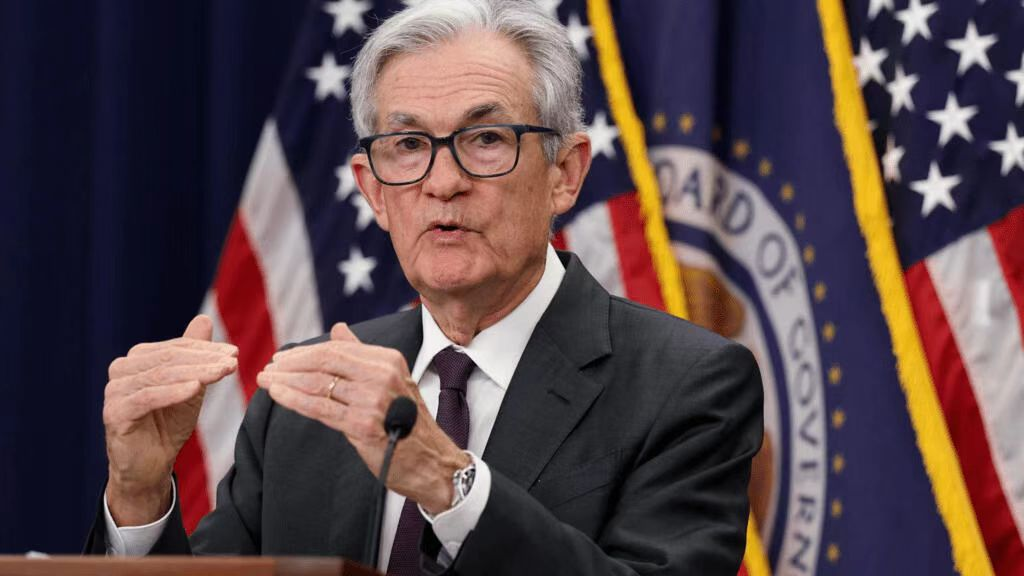
At 3 AM Beijing time on December 11, the Federal Reserve's interest rate decision for December will be officially announced. This policy meeting, which the market has assigned an 89.6% probability of a rate cut, is becoming a key trigger for the cryptocurrency market. As of the evening of December 10, Bitcoin has been fluctuating in the range of $92,000 to $94,000, while Ethereum surged over 6% in a single day, stabilizing above the $3,300 mark. The crypto market has already entered a 'pre-policy excitement mode,' and the real market storm will officially begin with the Federal Reserve's interest rate statement and Powell's speech.
The expectation of a rate cut has already deeply infiltrated the trends in the crypto market. Since the CME FedWatch data showed that the probability of a 25 basis point rate cut in December surpassed 80%, institutional funds have jumped ahead to position themselves—on December 10, 10 Bitcoin spot ETFs had a net inflow of 3,883 BTC (approximately $379 million), and Ethereum ETFs simultaneously absorbed $125 million in funds. BlackRock alone purchased 41,195 ETH, betting real money on the arrival of loose liquidity. Fueled by this capital, Bitcoin once surged to $94,554 within the day, and Ethereum hit a high of $3,397, with the daily increase of the mainstream altcoin ADA reaching 7.83%, significantly warming market risk appetite. This trend continues the core logic of crypto assets: as the federal funds rate approaches the range of 3.50%-3.75%, funds from low-yield traditional assets will accelerate into the high-return crypto market, forming a liquidity-driven upward trend.
However, before the policy is implemented, the cryptocurrency market is caught in a dual emotion of "optimistic expectations and cautious games." On one hand, the market's pricing of rate cuts has basically been completed, with Bitcoin gaining solid buying support around $91,900, and no panic selling has occurred, showing investors' confidence in the easing policy; on the other hand, a strong resistance zone has formed in the range of $94,000-$95,000, and the pullback after the intraday high confirms the profit-taking pressure. The internal policy disagreements within the Federal Reserve make the market wary—five voting officials have already expressed opposition to rate cuts, and Powell may adopt a "hawkish rate cut" strategy, raising future easing thresholds while cutting rates. This uncertainty has caused the "fear and greed index" in the crypto market to remain low, with investors staying on the sidelines before a breakout, waiting for clear policy signals to define the direction.
The key highlights of tonight's decision will determine two major dimensions of the future direction of the cryptocurrency market. First, the policy guidance after the rate cut: if Powell signals a sustained rate cut into 2026, Bitcoin is likely to break through the resistance of $95,000 and attempt to challenge the range of $98,000-$100,000, while Ethereum will also challenge the $3,500 level; if he issues a hawkish statement of "one-time rate cut", the market may trigger profit-taking, and Bitcoin could pull back to test support levels of $90,000 or even $85,000. Second, unexpected surprises from liquidity tools: Bank of America predicts that the Federal Reserve may introduce a "Reserve Management Bond Purchase Plan", buying $60 billion in short-term bonds each month, which will bring additional liquidity benefits to the cryptocurrency market, and its impact may far exceed that of a single rate cut itself.
For cryptocurrency investors, tonight is both an opportunity window and a risk threshold. Short-term traders need to closely monitor key price levels: the validity of Bitcoin's support at $92,000 and the momentum for breaking through $94,000, as well as Ethereum's defense at $3,250 and its challenge at $3,400. If the breakout is ineffective after the policy is implemented, stop-loss measures should be taken promptly to avoid falling into the volatility trap. Medium to long-term investors should focus on core logic: the Federal Reserve's rate cut cycle has clearly begun, alongside the regulatory certainty brought by the implementation of the U.S. (CLARITY Act), and the technical support from Ethereum's Fusaka upgrade, the long-term liquidity environment for crypto assets continues to improve. However, it is necessary to be cautious, as the correlation between the cryptocurrency market and U.S. stocks and bonds has significantly increased, and the volatility of traditional financial markets may synchronously transmit to the crypto field, requiring strict control of risk exposure for single assets.
Tonight, the Federal Reserve's policy bell will mark a key punctuation for the cryptocurrency market in 2025. While the liquidity feast brought by rate cuts is worth looking forward to, the hidden worries of "hawkish rate cuts", profit-taking pressure, and potential regulatory variables mean that this market situation will not be a one-way smooth road. For the cryptocurrency market, tonight's game is not only a contest of short-term price fluctuations but also a recalibration of future policy cycles and asset pricing logic—only by seeing through the core logic behind liquidity can one grasp certain opportunities amidst the policy storm.