
Divided Fed Delivers Third Straight Rate Cut to 3.5%-3.75%, but Signals Slowdown in 2026 Easing Amid Inflation Worries
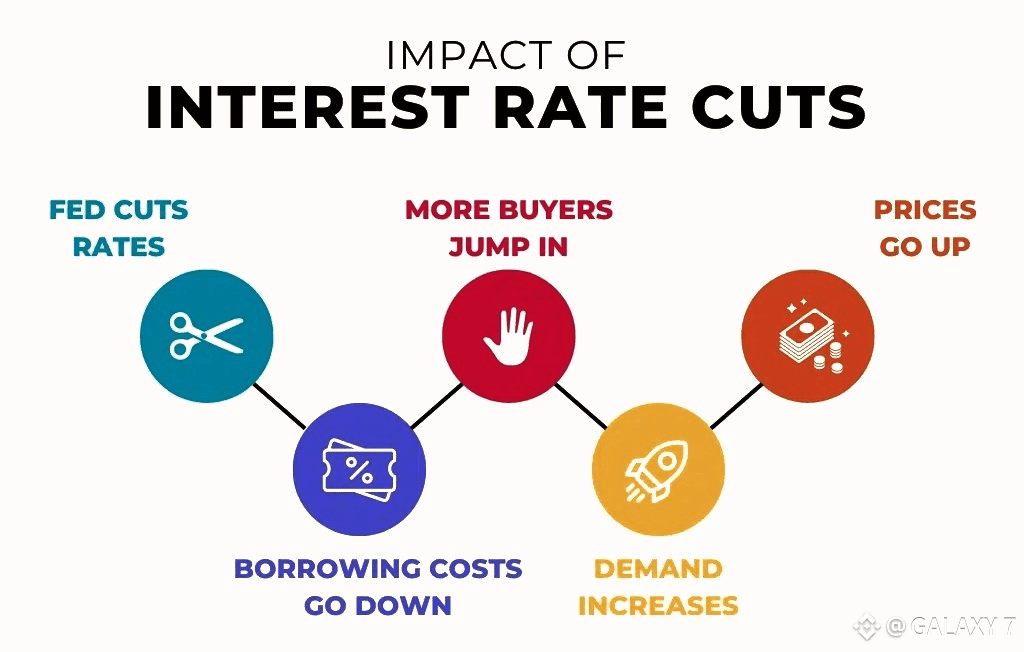
The Federal Reserve's recent decision on December 10, 2025, to cut the federal funds rate by 0.25 percentage points to a target range of 3.5% to 3.75% is expected to stimulate the economy, primarily by lowering borrowing costs for consumers and businesses. The move, the third consecutive cut this year, has generally been viewed as a positive for the stock market, though a divided committee and a "hawkish cut" message have led to uncertainty about future policy.
Market and Economic Reactions
Stock Market: U.S. stocks, including the Dow Jones Industrial Average and the S&P 500, generally rallied following the decision, as lower rates typically encourage investment and economic activity.
Bond Market: Treasury yields, which had been rising in anticipation of fewer future cuts, saw slight downward pressure immediately after the announcement, though some analysts note a disconnect between Fed policy and longer-term bond yields due to concerns over national debt and inflation. The 10-year Treasury yield declined slightly to around 4.16%.
Borrowing Costs: The rate cut is expected to gradually lead to lower interest rates on various consumer and business loans, including adjustable-rate mortgages, credit cards, auto loans, and small business loans.
Savings Accounts: Savers with high-yield savings accounts or certificates of deposit may see their returns decline as banks adjust their rates in response to the lower benchmark rate.
Housing Market: Lower mortgage rates, which may gradually fall in response to the overall trend, could help improve housing affordability and potentially increase demand from homebuyers.
Economic Outlook: The Fed upgraded its outlook for GDP growth in 2026 to 2.3% from a previous 1.8% projection, while the unemployment rate, which recently rose to 4.4%, is expected to remain around that level. Inflation is still above the Fed's 2% target, a point of contention among committee members.
Key Considerations
Divided Committee: The decision was split, with nine members in favor, one preferring a larger 50-basis-point cut, and two wanting to hold rates steady. This indicates growing internal disagreement on the appropriate policy path.
"Hawkish Cut": Many market participants viewed the cut as "hawkish," meaning that while a reduction occurred, the accompanying statement and projections suggested the bar for further cuts has been raised. The median Fed projection expects only one additional rate cut in 2026.
Data Dependence: Fed Chair Jerome Powell emphasized that future decisions will be data-dependent, with key data on employment and inflation, which had been delayed due to a government shutdown, expected to provide a clearer picture soon.
I can provide more detail on how this decision might affect a specific financial product you hold, such as a mortgage or a savings account. Which would you like to explore first?