
@Lorenzo Protocol #lorenzoProtocol $BANK


What if Bitcoin could finally move like DeFi capital without losing its identity, security, or long-term value — and what if that change quietly reshaped the entire plasma-style liquidity flow of the crypto market? anya believes this question sits at the heart of Lorenzo Protocol’s architecture, because Lorenzo is not trying to replace Bitcoin or Ethereum, but to reorganize how their value travels across chains. The protocol is designed so beginners can still understand the basics, while advanced users unlock layers of utility hidden beneath simple staking and holding.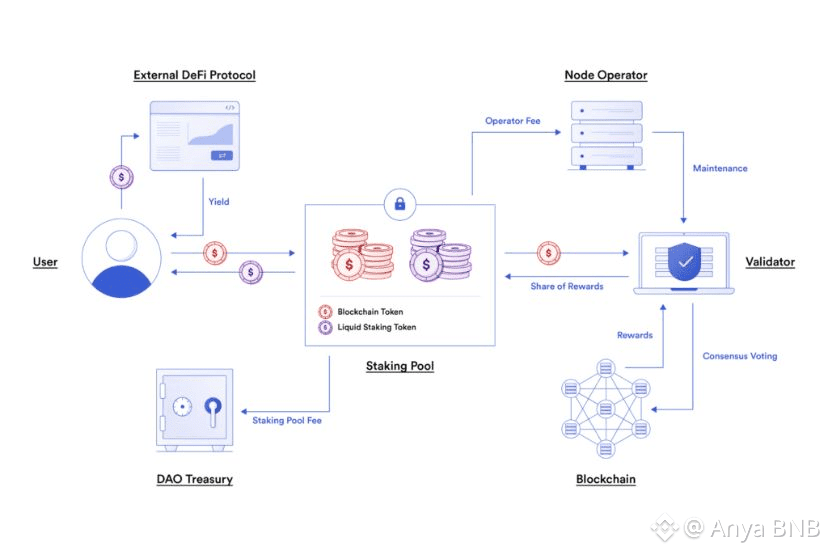
At the foundation, Lorenzo Protocol focuses on tokenizing yield itself. Instead of locking BTC or other major assets and waiting passively, Lorenzo splits value into components such as principal and yield. This means the original asset remains productive while its future yield becomes tradable. For beginners, think of it like owning a house and selling the rent income separately without selling the house. This architectural idea allows BTC to participate in DeFi without becoming a wrapped imitation that loses trust during volatile market cycles.
One of the most important architectural choices Lorenzo makes is composability across chains. By supporting appchain-style deployment and EVM compatibility, Lorenzo allows its tokens to flow into DEXs, lending platforms, and liquidity pools across ecosystems. When BTC dominance rises, demand for tokenized BTC yield instruments increases. When ETH or SOL leads the market, Lorenzo’s yield tokens can still plug into those liquidity environments, maintaining relevance regardless of which coin controls the narrative.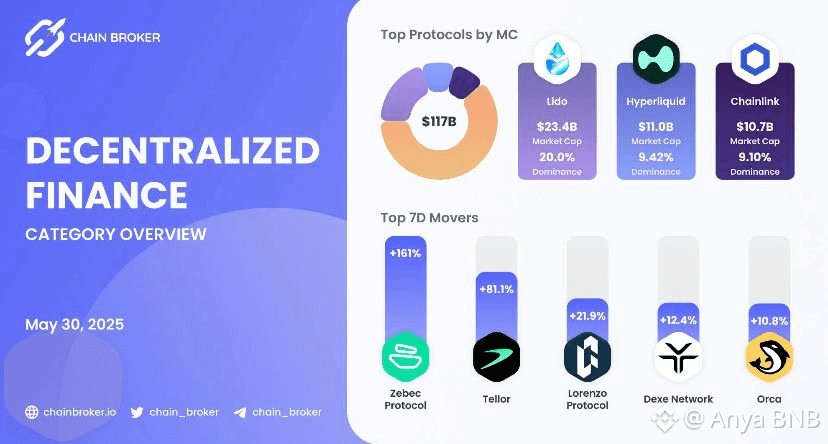
Recent updates around Lorenzo’s stable-yield products have added another layer to this architecture. Products like yield-backed stable assets combine real-world yield logic, DeFi strategies, and on-chain liquidity into one system. For beginners, this means exposure to returns without directly trading volatile assets. When USDT and USDC rates tighten or fluctuate, these structured products offer alternatives that react differently to macro market pressure and interest rate shifts.
The protocol also responds intelligently to Bitcoin’s price movements. When BTC rises aggressively, spot holders often refuse to sell, reducing market liquidity. Lorenzo’s architecture solves this by offering liquid yield tokens that can be traded instead, easing pressure without dumping BTC itself. During corrections, yield continues to accrue, softening emotional sell-offs. This behavior directly impacts plasma-like liquidity layers where capital efficiency matters more than raw speculation.
Another beginner-friendly aspect is governance clarity. BANK token holders influence how the architecture evolves — from staking routes to new integrations and incentive structures. Instead of abstract voting, governance directly affects how yield is generated and distributed. Market rates of BTC, ETH, stablecoins, and emerging altcoins shape proposals, making governance a reflection of real market conditions rather than isolated decision-making.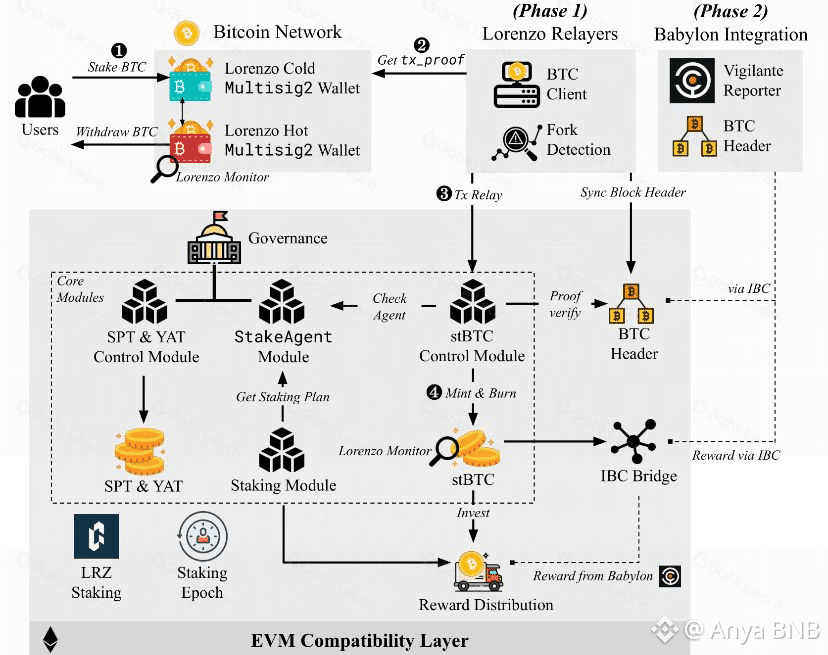
What makes Lorenzo’s architecture feel human rather than mechanical is how it adapts to different trader mindsets. Long-term holders, short-term traders, yield farmers, and institutions all interact with the same system differently. BTC maximalists focus on yield preservation, altcoin traders rotate liquidity, and stablecoin users chase consistency. This flexibility is why Lorenzo continues to appear in conversations whenever liquid staking, plasma liquidity, or Bitcoin DeFi trends resurface.
In the bigger picture, Lorenzo Protocol’s architecture is not about chasing hype cycles but about restructuring how value moves when markets shift. anya sees it as an invisible layer that quietly benefits when BTC rallies, when altcoins rotate, and even when markets slow down. For beginners, understanding this architecture early may be the difference between reacting to charts and actually positioning ahead of where crypto liquidity is evolving next.