
With the announcement on December 8, 2025, starting from 16:00 (Beijing time) on January 5, 2026, Binance's operations will shift to a new regulatory framework - Abu Dhabi Global Market (ADGM) Financial Services Regulatory Authority (FSRA):
Nest Exchange Services Limited: As an 'approved investment trading platform (licensed to operate a multilateral trading facility)' - responsible for all activities related to the trading platform, including spot and derivative trading;
Nest Clearing and Custody Limited: As an 'approved clearing house (licensed to provide custody services),' responsible for clearing and settlement - serving as the central counterparty for derivative trading on the trading platform and ensuring the safety of users' digital assets;
Nest Trading Limited: As a 'broker dealer' - responsible for over-the-counter trading activities and proprietary services (e.g., over-the-counter trading, instant exchange, wealth management).
CZ ultimately arrived in the UAE, ending over 8 years of hardship.
From the day it was established, Binance faced numerous challenges and upheavals:
1. Shanghai, China (July 2017 - September 2017) - The Starting Point of Binance
In July 2017, Binance was officially founded and began operations in Shanghai, quickly gaining traction due to the domestic market's enthusiasm for digital assets at that time. However, in September of the same year, the Chinese government issued a ban on cryptocurrency trading, tightening regulatory attitudes. Binance rapidly ceased its operations on the mainland and began the process of relocating its headquarters.
2. Hong Kong, China (End of 2017 - Early 2018) - Transition Node
After leaving Shanghai, Binance did not immediately finalize a long-term headquarters. It temporarily transitioned its operations to Hong Kong, China, serving as a buffer zone for transferring core business to Japan. During this time, Hong Kong only played the role of a transitional operational hub and did not become the officially designated headquarters.
3. Tokyo, Japan (September 2017 - March 2018) - Dream Shattered
In September 2017, while evacuating from the mainland, Binance moved its servers and core operational team to Tokyo, Japan, and established an office, planning to expand its business from there as a new headquarters. However, this did not last long, as in March 2018, the Japanese Financial Services Agency issued a warning against Binance for operating without a license, forcing Binance to once again relocate its core business under regulatory pressure.
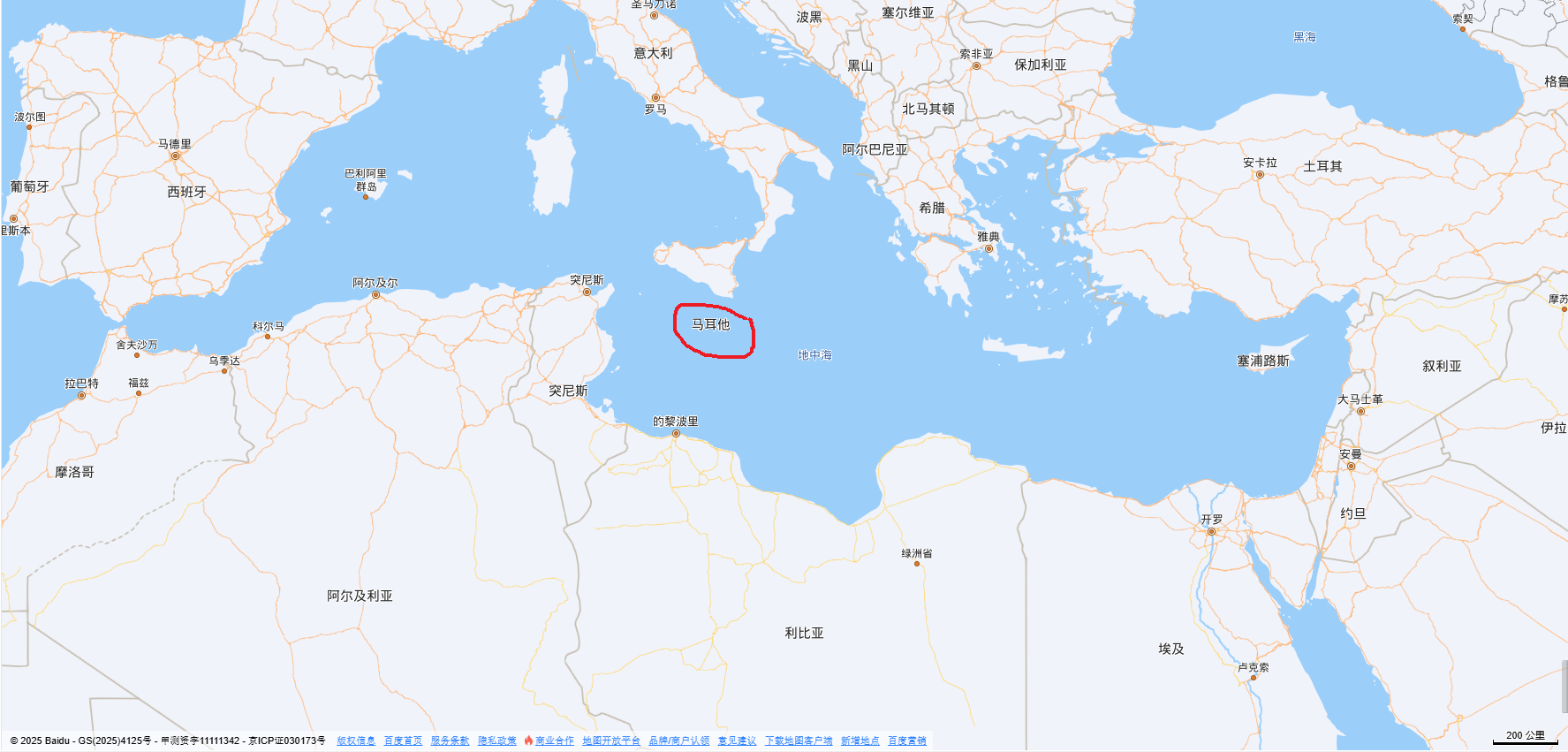
4. Malta (Spring 2018 - 2019) - Not Real but Famous
In the spring of 2018, seeing that Malta was striving to create a cryptocurrency-friendly jurisdiction, Binance announced its intention to relocate its headquarters to Malta. It also met with the Maltese government, opened local bank accounts, and signed a memorandum with the Malta Stock Exchange. However, this relocation was more of a strategic promotion, as Malta's geographic position and government strength were clearly not suitable for in-depth operations. Thus, Binance did not fully root its core business in Malta. By around October 2019, it gradually abandoned plans to make Malta its core operational center, and the label of 'Malta headquarters' gradually faded.
5. No Headquarters Phase (2019 - 2022) - Surrounded on All Sides
After abandoning its core layout in Malta, Binance entered a special 'no fixed headquarters' period, with CZ even claiming that 'Bitcoin has no office, so Binance has no headquarters.' During this stage, Binance adopted a multi-center operational strategy, establishing entities or operational nodes in multiple countries and regions such as Switzerland, Bermuda, and Bahrain to diversify regulatory risks and adapt to different regional compliance requirements. From 2021 onwards, troubles mounted. First, its official Weibo account was banned, then it delisted the CNY trading zone and exited the Chinese market. That same year, it faced regulatory restrictions or penalties from several countries, including the UK, the Netherlands, Australia, and Singapore. In 2023, it was plunged into crisis, with the SEC filing 13 charges against it in June, and in November, CZ admitted to money laundering-related charges and resigned as CEO, with Binance required to pay $4.3 billion in settlement. In 2024, CZ was sentenced to 36 months in prison for violating anti-money laundering laws, but was released early in September of the same year.

Looking around the world, there seems to be no place for Binance to take refuge.
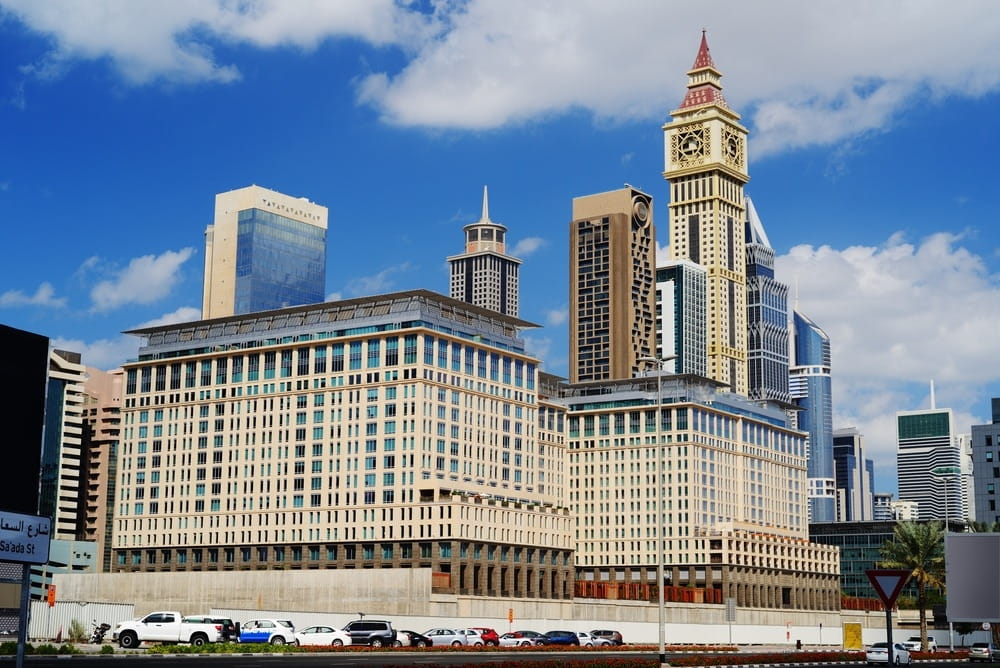
6. Dubai, UAE (2023 - Present) - Global Headquarters
As the global cryptocurrency regulatory framework gradually becomes clearer, Dubai has established a friendly and clear regulatory environment for virtual assets through the establishment of the Virtual Assets Regulatory Authority (VARA). In 2023, Binance officially announced the relocation of its global headquarters to Dubai, where it obtained multiple key licenses issued by VARA. Subsequently, Binance further consolidated its regional layout, making it the current core global operational hub, while also coordinating with operational centers in Europe, America, and other regions to form a globally collaborative pattern.
7. Abu Dhabi, UAE (March 2025 - Present) - Final Destination
In March 2025, Binance received a $2 billion investment from the UAE technology and AI investment company MGX, marking its first institutional investment since its establishment. Behind MGX are the Abu Dhabi royal family and the Mubadala Sovereign Wealth Fund. This capital injection not only provided financial support for Binance's physical operations in Abu Dhabi but also allowed Binance to deeply integrate into Abu Dhabi's national financial strategic system through these registered entities, rather than simply 'passively accepting regulation.' This further strengthened Binance's business foundation in the UAE and made Abu Dhabi's registered entities an important link connecting Binance with Middle Eastern capital.
Returning to the opening scene, on December 8, 2025, Binance officially announced that it had obtained three core licenses from the Abu Dhabi Global Market (ADGM) (ADGM adopts a common law system, and judgments under this system can be enforced in over 140 contracting states worldwide), planning to launch a 'three-entity' compliance structure in 2026. These three registered entities have clear divisions of labor and responsibilities: Nest Exchange is responsible for spot and derivative trading; Nest Clearing & Custody undertakes clearing, custody, and central counterparty functions; Nest Trading provides OTC, instant exchange, and wealth management services. This functionally isolated structure is in line with international mainstream exchanges.
Binance's global headquarters is located in Dubai, UAE, while Abu Dhabi is the capital and core emirate of the UAE. Binance has established three licensed registered entities here, binding the core area of the headquarters' country with the deep compliance operational core. Leveraging the institutional and capital advantages of Abu Dhabi under the UAE federal system, it has formed a collaborative pattern of 'headquarters coordination + Abu Dhabi governance + physical operations.'
Abu Dhabi, as a core financial hub in the Middle East, its license can also provide strong support for Binance's expansion into the Middle East, Africa, and South Asia markets. Additionally, Abu Dhabi's time zone is centrally located, allowing access to two-thirds of the world's population within an 8-hour flight, making it a natural hub connecting the Asian, European, and African markets. Establishing a physical presence here not only facilitates connections to Eastern markets but also ensures smooth links to Western markets, making it easier to conduct cross-border crypto business.
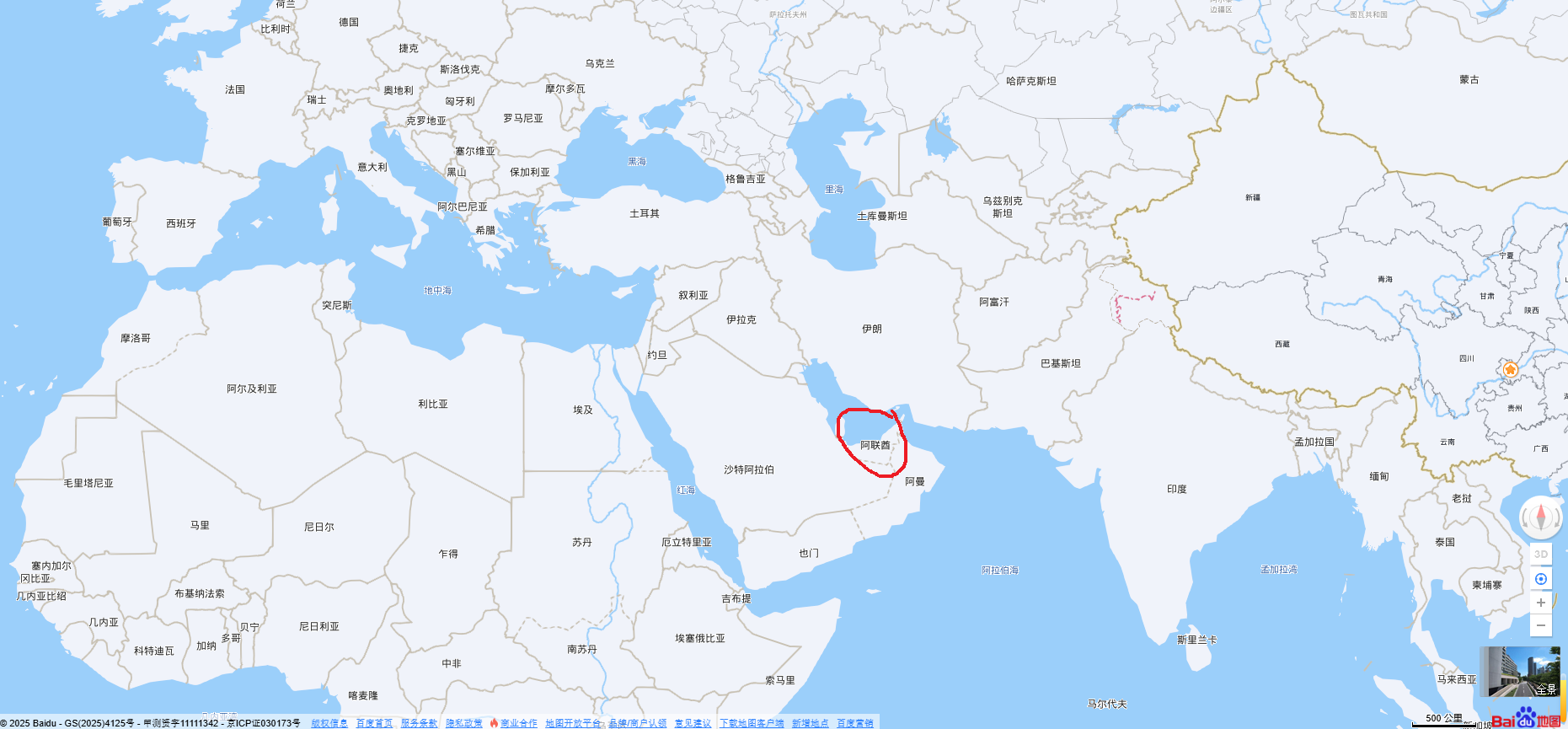
In summary, it is not difficult to understand why CZ ultimately went to the UAE.

