
The biggest challenge Web3 gaming has faced was never graphics, rewards, or even token prices — it was friction. Wallets, gas fees, confusing sign-ups, and the fear of losing assets kept millions of traditional gamers away. YGG stepped into this space not as a loud disruptor, but as a patient builder. Dazai sees YGG’s role today as something far more important than hype: it is becoming the bridge that lets new players enter Web3 gaming without feeling like they need a blockchain degree.
From Guild to Gateway
YGG started as a gaming guild, but its evolution has been deliberate. Instead of only focusing on asset ownership or yield, YGG shifted toward infrastructure that simplifies access. Through scholarship systems, subDAO models, and community-led onboarding, new players can start playing without upfront capital or complex setup. This model removes the first psychological barrier: risk. A player can learn, earn, and explore before ever touching a wallet balance, which quietly changes how Web3 feels.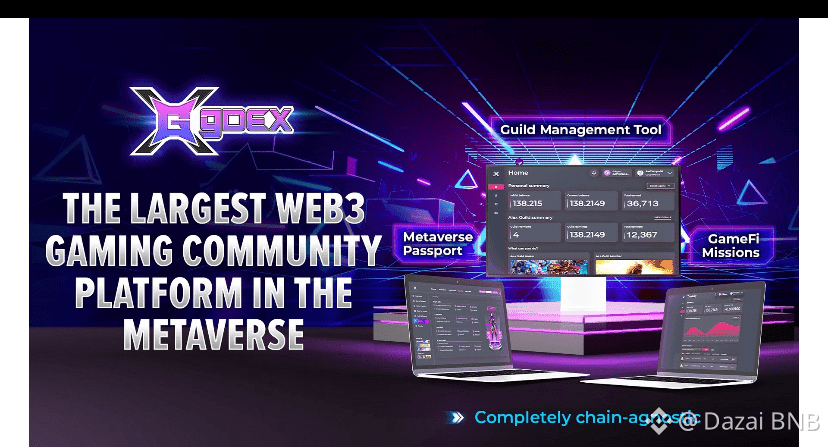
YGG Token as an Access Layer
The YGG token has grown beyond being just a governance asset. It now functions as a coordination tool across games, regions, and communities. Recent ecosystem updates have emphasized sustainable participation rather than short-term speculation. Staking mechanics, community incentives, and ecosystem rewards are designed to align players with long-term engagement. Dazai notices that this structure reduces churn, because players are not rushed into financial decisions they do not yet understand.
Regional Communities Doing the Heavy Lifting
One of YGG’s most underrated strengths is its regional focus. Instead of forcing a single global onboarding path, YGG empowers local communities to guide players in familiar ways. Language support, cultural relevance, and local leadership reduce confusion dramatically. This approach aligns with recent YGG ecosystem direction, where subDAOs act as localized onboarding engines rather than isolated guilds.
Removing Technical Fear Without Removing Ownership
YGG does not hide blockchain — it delays it. New players can enter through custodial or simplified systems, learn gameplay first, and gradually transition into full ownership when ready. This design respects user autonomy without overwhelming them. Dazai believes this balance is why YGG remains relevant while many Web3 games lose users after the first login.
A Measured Approach to Growth
In recent market cycles, YGG avoided aggressive promises and focused on ecosystem resilience. Updates around partnerships, game onboarding frameworks, and community tooling have emphasized readiness over speed. This aligns with broader market conditions where players value stability. YGG’s steady approach keeps it compliant with platform guidelines while remaining attractive to long-term participants.
Where This Leaves YGG Today
YGG’s role is no longer just about playing to earn, but learning to play Web3. By reducing onboarding friction step by step, it creates an environment where new players feel welcome instead of tested. Dazai sees this as the quiet foundation that could support the next wave of Web3 gaming adoption. If mass adoption ever arrives, it will not start with complexity — it will start with comfort, and YGG is already building exactly that.
@Yield Guild Games #YGGPlay $YGG
