
Something unusual is happening in global gaming, and it isn’t loud or flashy. It’s subtle, community-driven, and rooted in places the industry once overlooked. Africa and the Middle East are no longer just emerging markets; they are becoming culture-shaping forces in Web3 gaming. Dazai notices that Yield Guild Games, better known as YGG, has positioned itself right at the center of this shift—not by forcing adoption, but by enabling it.
A New Gaming Reality Beyond the West
For years, gaming growth followed predictable routes through North America and East Asia. That pattern is breaking. In Africa and the Middle East, mobile-first populations, youthful demographics, and strong digital curiosity have created fertile ground for play-and-earn models. YGG’s guild structure fits naturally here because it lowers entry barriers, provides access to assets, and turns gaming into a skill-based opportunity rather than a luxury. Dazai sees this as alignment, not coincidence.
Why YGG’s Model Resonates Locally
YGG is not just a token; it is an ecosystem designed around participation. In regions where access to high-end gaming hardware is limited, YGG’s scholarship-style onboarding and community hubs allow players to enter competitive gaming economies with minimal friction. The YGG token acts as a coordination layer—used for governance, incentives, and long-term alignment—rather than a speculative distraction. That design choice matters deeply in markets focused on utility.
Africa’s Guild Culture Meets Web3
Across African gaming communities, collaboration has always been stronger than competition. YGG’s expansion through localized guilds and partnerships reflects this cultural reality. Dazai observes that instead of imposing a global template, YGG adapts to regional rhythms, encouraging local leadership and community-led growth. This has helped the YGG token gain relevance as a symbol of participation rather than hype.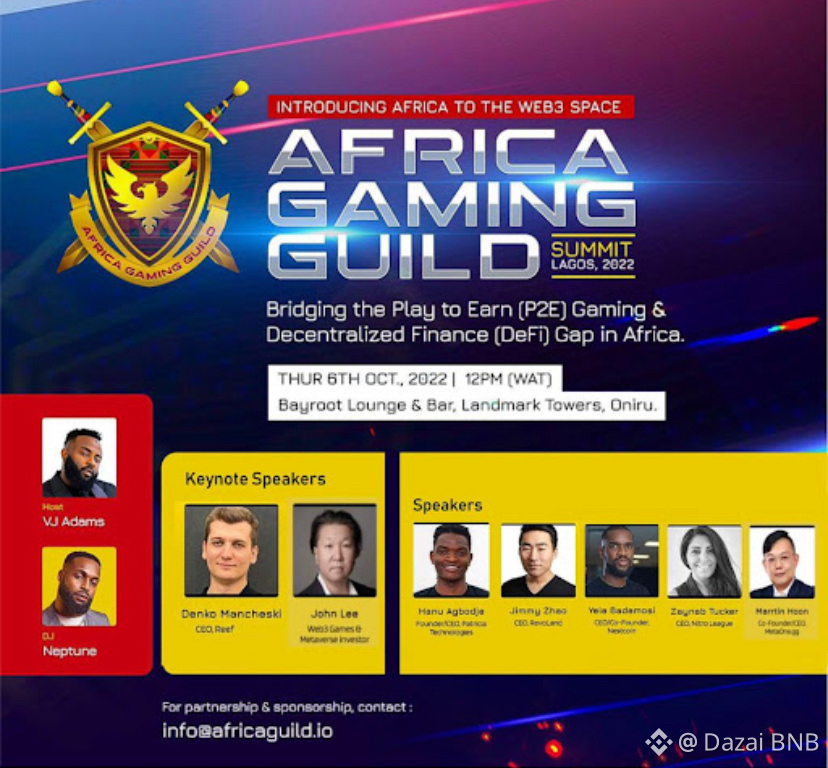
The Middle East’s Digital Acceleration
The Middle East is experiencing a rapid transformation in gaming, esports, and blockchain infrastructure. With governments supporting digital economies and youth engagement, Web3 gaming is finding institutional and grassroots interest at the same time. YGG’s presence in the region aligns with this acceleration, offering a structured way for gamers to move from casual play into organized digital economies, all anchored by the YGG token.
A Moment That Defines the Movement
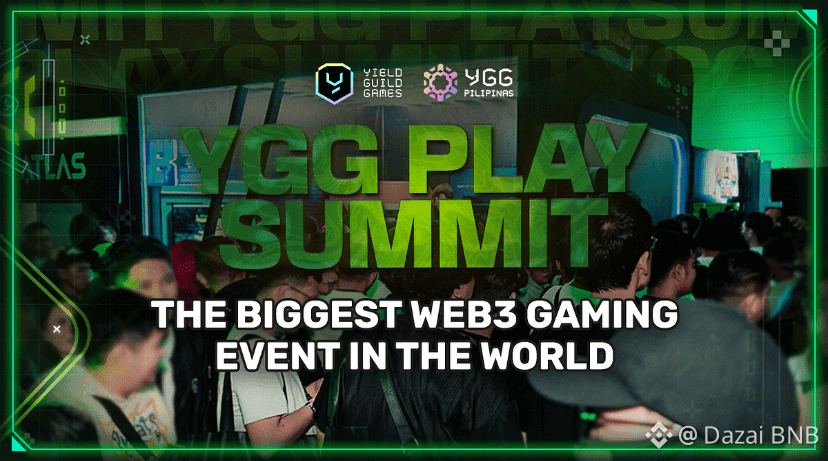
This image captures what words often fail to explain: real players, real communities, and real engagement. Dazai believes this is where YGG’s strategy becomes visible—not on price charts, but in people gathering, competing, and building together under a shared ecosystem.
Token Utility Without the Noise
Recent developments around YGG have emphasized sustainability over speculation. Governance participation, ecosystem rewards, and long-term alignment remain the token’s core functions. There is a clear effort to keep YGG relevant to builders and players alike, especially in regions where trust is built through consistent delivery rather than promises. Dazai sees this restraint as strength.
Community-Led Growth Over Marketing
What makes YGG’s adoption in Africa and the Middle East compelling is the absence of forced narratives. Growth is driven by local organizers, streamers, and gamers who see value in collective progress. The YGG token quietly supports this structure, acting as the glue between global infrastructure and regional identity.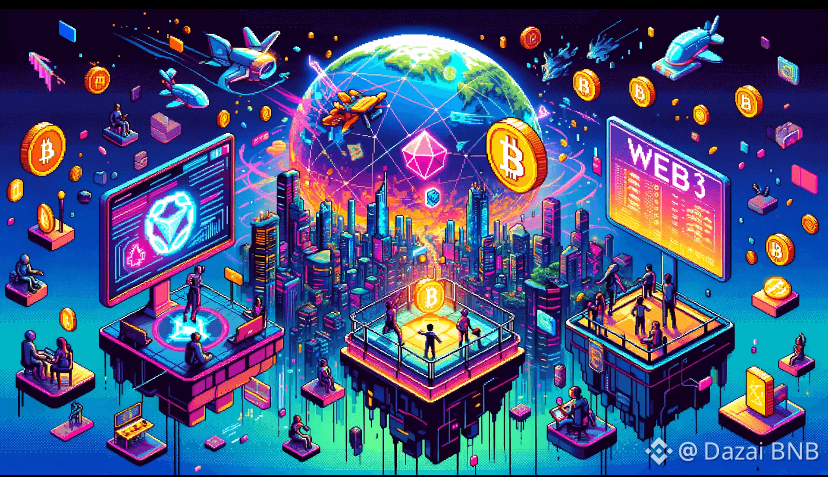
Where This Path Leads
Africa and the Middle East are not side stories in YGG’s journey; they are shaping its future. As Web3 gaming matures, the regions that prioritize community, adaptability, and real participation will define the next phase. Dazai feels that YGG’s presence here is not about expansion—it’s about belonging. And in a market often obsessed with speed, that patience might be YGG’s most powerful move yet.
@Yield Guild Games #YGGPlay $YGG
