There is a moment in every technological shift where things stop being ideas and start becoming real. Kite lives inside that moment.
We are slowly moving into a world where software does not just assist us but acts for us. It makes decisions. It moves value. It coordinates with other systems. That power is exciting, but it is also frightening. Kite exists because that power needs structure, limits, and accountability.
Kite is building a Layer 1 blockchain designed specifically for agentic payments. In simple terms, it allows AI agents to handle money in a controlled and verifiable way. This is not about hype. This is about infrastructure for a future that is already unfolding.
The vision that drives Kite
Kite is built on a simple but bold belief. If AI is going to act autonomously, it must do so within rules defined by humans.
Today, most AI tools wait for permission. Tomorrow, they will be expected to act instantly. Kite prepares for that future by giving AI agents the ability to transact, coordinate, and execute tasks while remaining accountable.
The blockchain is EVM compatible, which makes adoption easier for developers. Familiar tools reduce friction. Faster building leads to faster experimentation. Kite is not trying to reinvent everything. They are choosing practicality.
Speed matters deeply here. AI decisions lose value if they are delayed. Kite is optimized for real time transactions so agents can function naturally without constant human interruption.
Why this feels deeply human
When I think about Kite, I think about time and trust.
Time is the most valuable resource we have. Repetitive approvals, small payments, and constant oversight drain it away. Kite imagines a world where those burdens disappear quietly.
But trust is fragile. Giving financial authority to machines triggers fear. Kite does not ignore this fear. It confronts it directly through careful design.
Identity designed to protect people
Kite uses a three layer identity system that feels thoughtful and human.
At the top is the user. That is the ultimate authority.
Below is the agent. This is the AI acting on behalf of the user, limited by defined permissions.
At the base is the session. Sessions are temporary and task specific. They expire naturally.
This structure prevents damage from spreading. If an agent fails, it cannot do unlimited harm. Control always returns to the human.
How agentic payments work in real life
Agents on Kite can hold funds, spend within limits, and interact with other agents. They can pay for services, manage subscriptions, and coordinate workflows automatically.
Every action is recorded. Reputation builds over time. Trust becomes measurable.
This is automation with memory and responsibility, not blind execution.
Creating an ecosystem, not just a chain
Kite is not only infrastructure. It is a platform for builders.
Developers can create AI agents and make them available for others to use. Businesses can adopt agents instead of building everything internally.
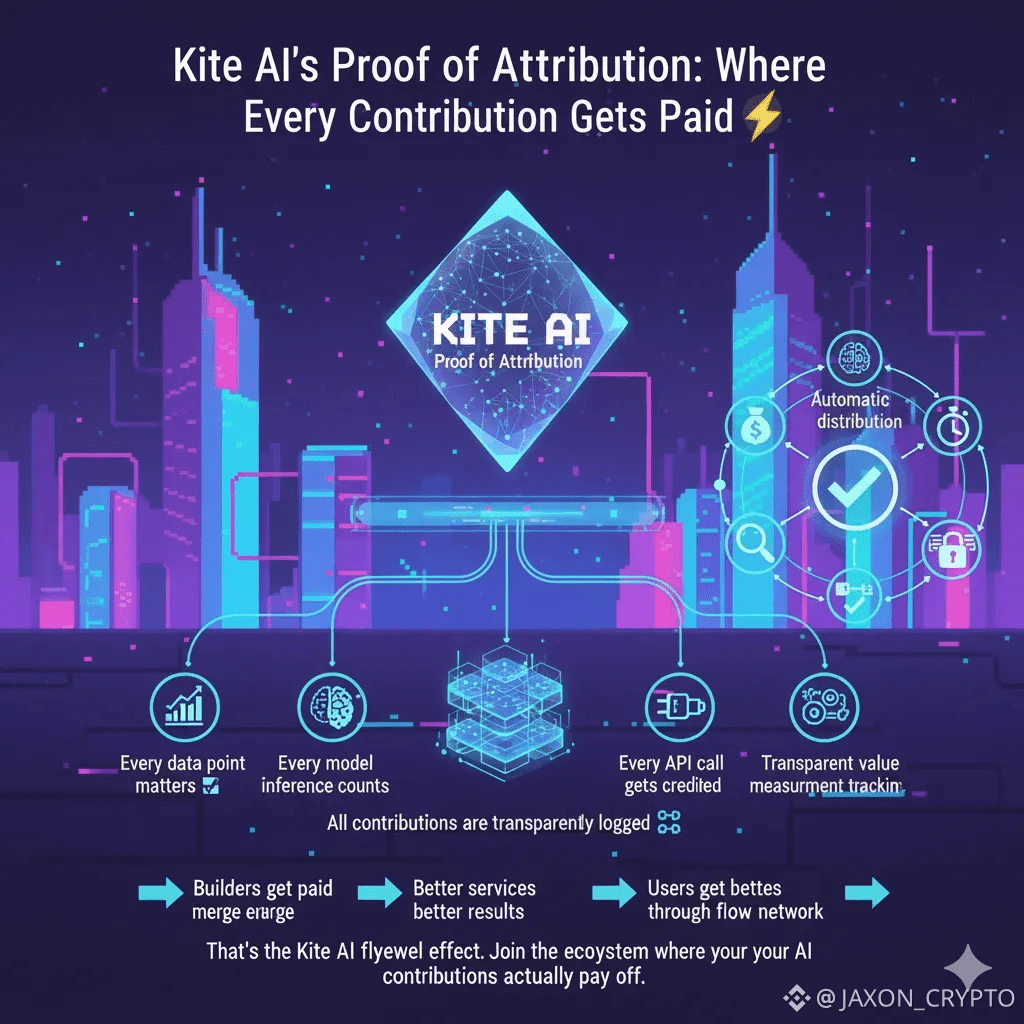
This creates opportunity on both sides. Builders earn. Users gain efficiency. The ecosystem grows naturally.
That organic growth is what separates lasting platforms from short lived experiments.
Understanding the KITE token
The KITE token powers the network.
Its utility is released in two stages.
The first stage focuses on ecosystem participation and incentives. This encourages early adoption and development.
The second stage introduces staking, governance, and fee related functions. This gives token holders responsibility and influence.
This gradual rollout shows restraint. Trust is earned over time, not forced.
Token economics and long term alignment
The total supply of KITE is fixed, with structured distribution schedules.
This matters because uncontrolled supply damages confidence.
The token’s value depends on real usage. If agents are active, demand grows naturally. If adoption slows, the system reflects that reality.
There is no illusion here. Only alignment.
Roadmap and future direction
Kite’s roadmap prioritizes foundations.
First comes developer tooling, identity layers, and network performance.
Then comes mainnet maturity, staking, and governance.
Later stages focus on partnerships and real world adoption, especially in business workflows where automation brings immediate value.
This is a long journey, not a shortcut.
Risks that must be respected
This technology is complex. Complexity brings risk.
Smart contract vulnerabilities, misconfigured permissions, or unpredictable AI behavior could cause losses.
Regulatory uncertainty also exists. Autonomous agents handling payments raise questions that laws have not fully answered yet.
Adoption is another challenge. Trust takes time to build, especially when money is involved.
Ignoring these risks would be irresponsible.
Where Binance becomes relevant
As the ecosystem grows, visibility through platforms like Binance can increase awareness and liquidity. This kind of exposure often brings attention and volatility at the same time.
Education and patience matter more than emotion when markets react.
A grounded personal perspective
I do not see Kite as a quick opportunity. I see it as preparation for a future where AI must be trusted without being unchecked.
If AI is going to act, it needs boundaries.
If it needs boundaries, it needs identity.
If it needs identity, it needs systems like Kite.
Success is not guaranteed, but the direction feels honest and necessary.
Final thoughts
Kite stands at the intersection of autonomy and responsibility.
It is not about replacing humans. It is about freeing humans while keeping control intact.
If you explore Kite, do it with curiosity and caution. Learn how the system works. Understand the risks.
And if you ever consider involvement through markets, stay disciplined. Only risk what you can afford to lose.
The future is powerful, but wisdom will always matter more than speed.