
@APRO Oracle : AI Oracles Bringing Real-World Data to Multi-Chain DeFi and Asset Tokenization
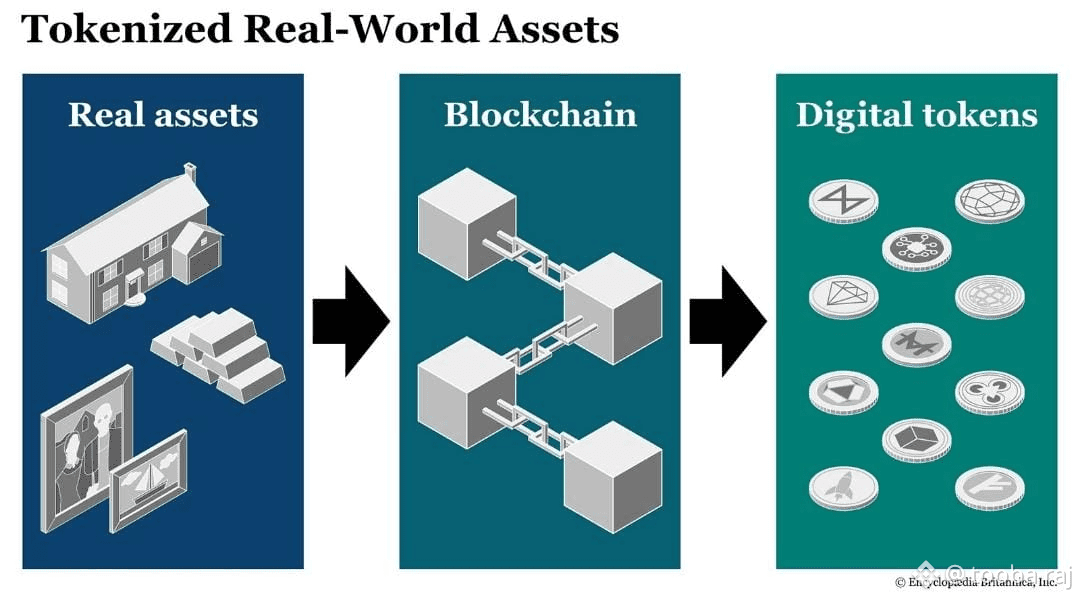
In the early years of decentralized finance, blockchains spoke mostly to themselves. Prices, liquidity, and governance signals circulated within closed systems, clean and deterministic but often detached from the complexity of the real world they aimed to reflect. This isolation gave DeFi its clarity and its limits at the same time. Oracles emerged to bridge that gap, yet many of them merely mirrored existing data feeds without questioning how information itself should be interpreted, validated, and contextualized. This is the space where APRO quietly situates its work—not as a loud reinvention, but as a measured expansion of what an oracle can be when intelligence is layered onto data delivery.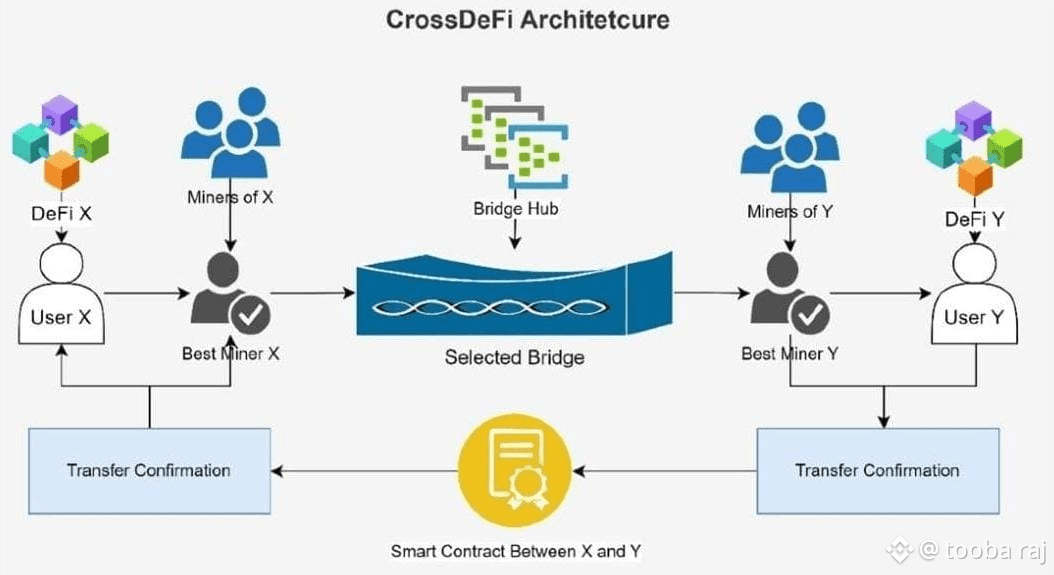
APRO approaches the oracle problem with the assumption that raw data is rarely enough. Markets move not just on prices, but on relationships: correlations across chains, behavior under stress, delayed signals from off-chain systems, and human-driven events that do not fit neatly into a single feed. By integrating AI-driven analysis into its oracle framework, APRO treats data less like a static input and more like a living signal—one that must be filtered, cross-checked, and interpreted before it can safely inform onchain decisions.
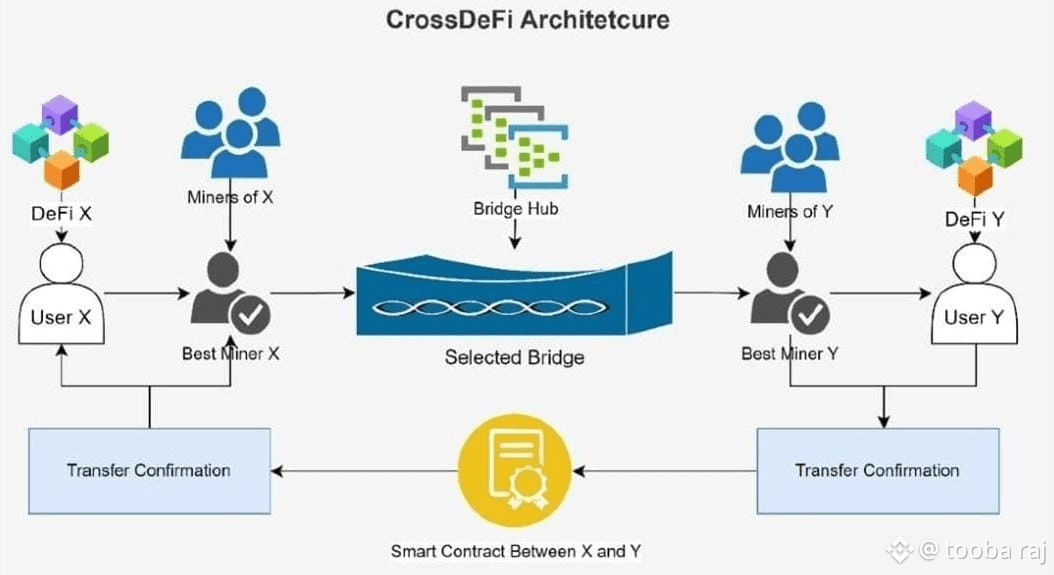
This distinction matters most in a multi-chain world. As DeFi spreads across numerous blockchains, each with its own liquidity patterns, security assumptions, and latency, the challenge is no longer simply fetching data, but reconciling it. APRO’s design reflects this reality. Its oracle layer is built to ingest information from multiple chains and off-chain sources, assess consistency, and deliver structured outputs that smart contracts can trust without assuming a single canonical environment. In doing so, APRO acknowledges fragmentation as a permanent condition rather than a temporary inconvenience.
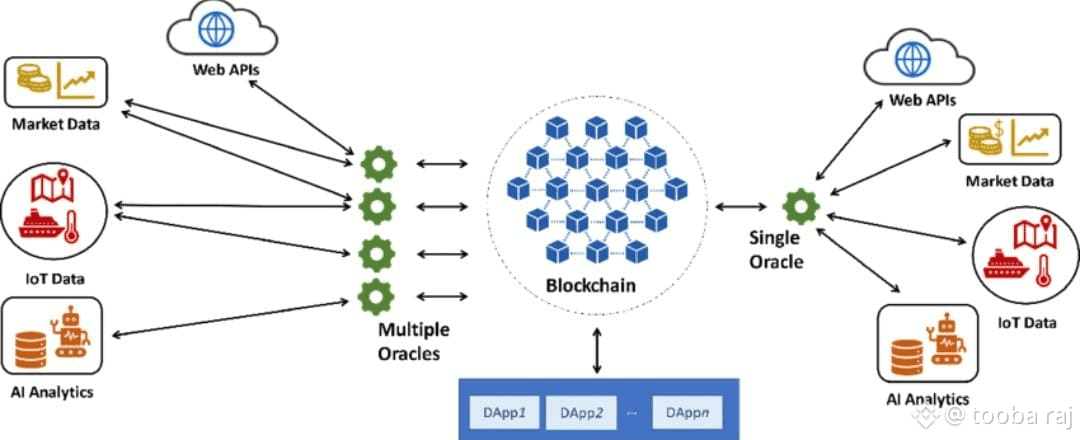
The role of AI within APRO is not framed as prediction or speculation. Instead, it functions as an interpretive layer. Machine learning models help identify anomalies, detect manipulation patterns, and weigh competing data sources when discrepancies arise. This is particularly relevant in volatile conditions, where traditional oracles may continue publishing technically accurate yet contextually misleading values. APRO’s system is designed to slow down, re-evaluate, and adjust confidence when the data itself becomes unstable, favoring resilience over speed when necessary.
Asset tokenization brings another layer of complexity where APRO’s approach becomes especially relevant. Tokenized real-world assets—whether commodities, financial instruments, or yield-bearing structures—depend on data that originates far outside blockchain environments. Valuations, custody attestations, interest rates, and legal status updates cannot be reduced to a single API call. APRO’s oracle framework is structured to aggregate such inputs, apply logic to assess their coherence, and present them onchain in a form that reflects both their quantitative and qualitative constraints.
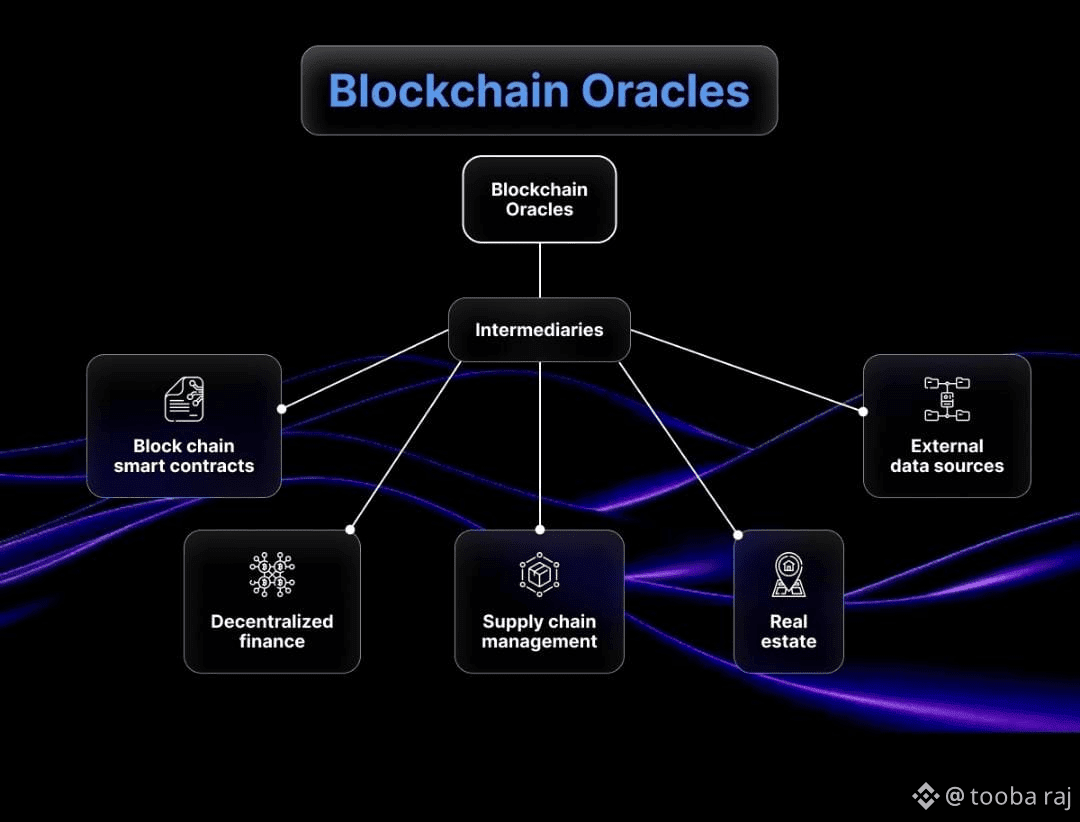
What emerges is a more sober relationship between DeFi and reality. Rather than assuming that real-world data can be cleanly imported into smart contracts, APRO treats that translation as an ongoing process, subject to uncertainty and revision. This mindset aligns closely with the demands of asset tokenization, where trust is not created by automation alone, but by consistent, explainable handling of information over time.
Governance within APRO also reflects this philosophy. Decisions around data sources, model updates, and risk thresholds are not hidden behind opaque mechanisms. Instead, they are designed to evolve through structured governance processes that recognize the trade-offs between decentralization, accuracy, and accountability. In this way, the oracle itself becomes a governed system, not merely a technical utility.
APRO does not promise to eliminate uncertainty from DeFi. Instead, it accepts uncertainty as a fundamental condition and builds tools to manage it more intelligently. By combining AI-driven interpretation with multi-chain awareness, it extends the role of oracles beyond data delivery into the realm of informed mediation between onchain logic and off-chain complexity.
As DeFi continues to intersect with traditional assets and real-world systems, this quieter, more deliberate approach may prove to be its most durable contribution. Not by making blockchains louder or faster, but by helping them listen more carefully to the world they increasingly seek to represent.

