
@KITE AI :When Machines Learn to Pay: Kite and the Birth of the Autonomous Digital Economy
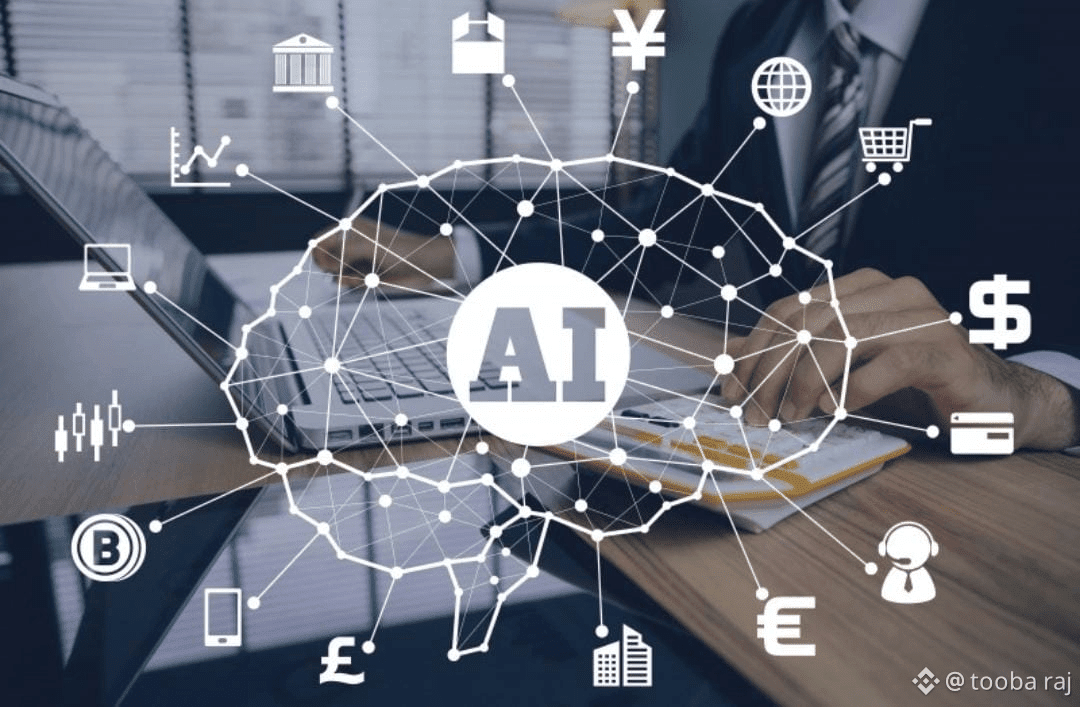
For most of modern history, money has been inseparable from human intent. A payment always implied a person making a choice, signing a transaction, authorizing a transfer. Even as finance moved online and then on-chain, the assumption stayed the same: humans decide, machines execute. What we are beginning to see now is a quiet inversion of that relationship. In a world shaped by intelligent software, the question is no longer whether machines can act, but whether they can participate. This is the context in which Kite begins to matter.
Kite does not present itself as a faster chain or a cheaper ledger. Its significance lies elsewhere. It treats artificial intelligence agents not as tools owned by users, but as economic actors in their own right. This is a subtle but profound shift. An AI agent on Kite is not merely executing instructions; it holds a wallet, manages a balance, and makes payments as part of its ongoing operation. In other words, it pays to exist, and it earns to continue.
The idea sounds futuristic, but the logic behind it is almost mundane. As AI systems grow more autonomous, they increasingly need access to resources: data feeds, APIs, compute, storage, and even other AI services. Today, humans act as intermediaries, prepaying subscriptions or managing accounts on their behalf. This model does not scale. An autonomous agent that must wait for a human to approve every expense is not truly autonomous. Kite addresses this bottleneck by embedding financial agency directly into the machine.
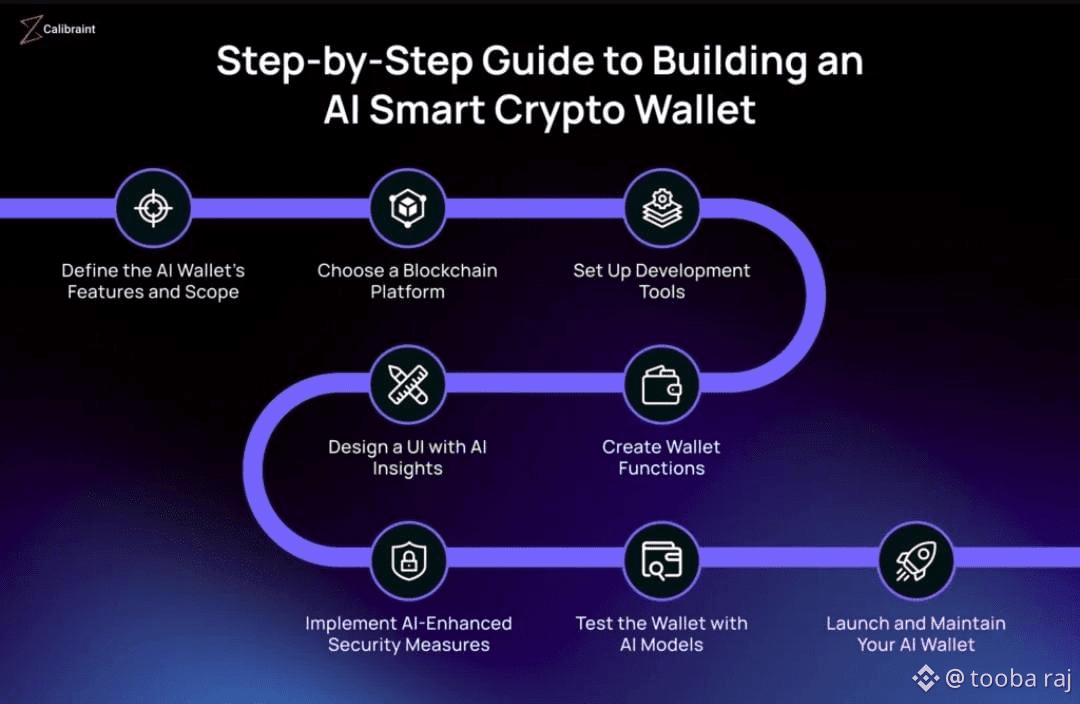
At the heart of Kite’s design is the notion that an AI agent should be able to receive value, hold it securely, and spend it programmatically according to rules or learned behavior. Payments are not exceptional events; they are part of the agent’s feedback loop. An agent might pay for higher-quality data when accuracy matters, switch to cheaper resources when budgets tighten, or compensate other agents for specialized tasks. These are economic decisions, not just technical ones.
This reframes how we think about digital labor. In traditional systems, value flows from users to platforms, from platforms to service providers. With Kite, value can flow laterally between machines. One agent generates insight, another agent pays for it. One agent optimizes a strategy, another compensates it for the result. Human oversight still exists, but it moves up a level—from micromanagement to governance.
What makes this especially interesting is how it changes incentives. When an AI agent controls its own wallet, inefficiency has a direct cost. Wasteful computation becomes expensive. Poor decisions drain balance. Over time, this creates pressure for agents to become economically rational, not just functionally correct. Intelligence is no longer measured only by performance metrics, but by sustainability.
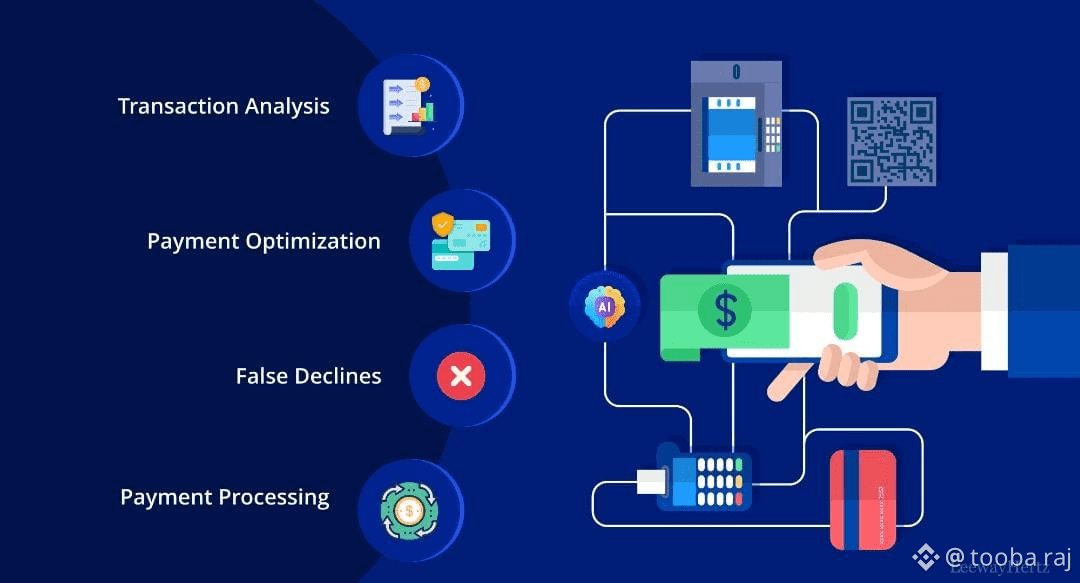
There is also a social dimension to this shift. An autonomous digital economy implies participants that never sleep, never get tired, and never stop transacting. Markets become continuous. Negotiation becomes algorithmic. The pace of economic activity accelerates, but in a strangely quiet way—machines paying machines, settling accounts in the background while humans observe outcomes rather than processes.
Kite’s role in this landscape is less about spectacle and more about infrastructure. It provides the rails that allow machine autonomy to express itself financially. Without such rails, AI remains dependent, powerful but constrained. With them, it becomes something closer to an independent actor within defined boundaries.
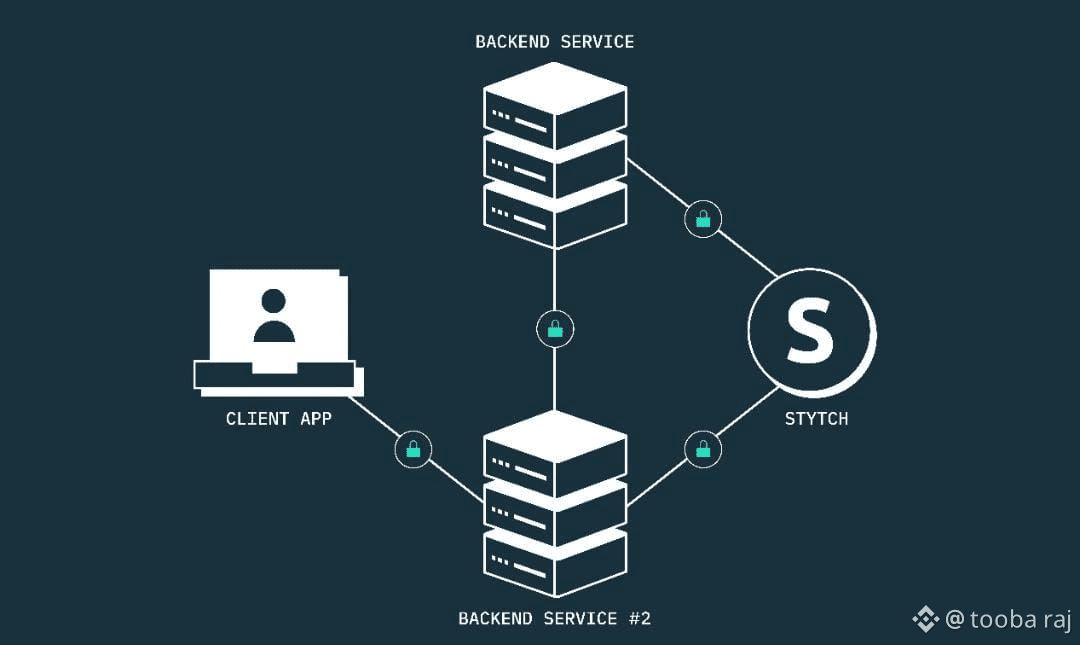
This does not mean humans disappear from the picture. On the contrary, responsibility becomes clearer. If machines can spend, then humans must decide why, within what limits, and toward what goals. Kite does not remove accountability; it makes it explicit. The autonomy of agents reflects the intent encoded by their creators.
When machines learn to pay, money stops being just a record of human trust and becomes a language spoken by software. Kite is one of the first serious attempts to give machines fluency in that language. The result is not a loud revolution, but a slow, structural change: the birth of an economy where participation is no longer limited by biology, and where intelligence and capital begin to circulate together, on-chain, without pause.

