
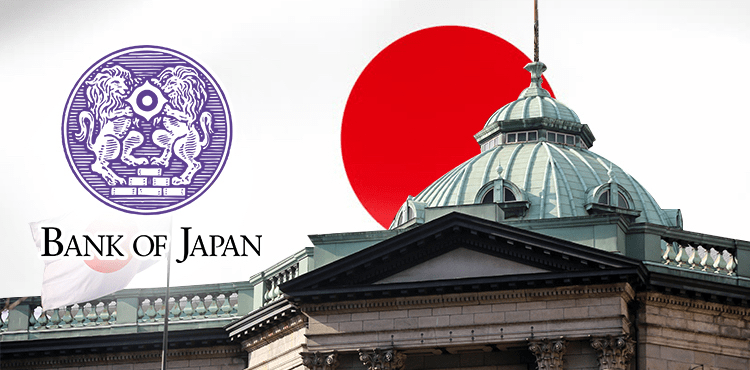

The Bank of Japan may start selling exchange-traded funds in January, leading to the beginning of a historic unwinding.
The Bank of Japan's exit from exchange-traded funds reflects rising confidence in inflation stability.
Japanese monetary policy is now shifting from crisis support to normalization.
Global investors are closely monitoring the start of the balance sheet contraction of central banks.
Japan faces a financial turning point that could reshape global markets. Reports suggest that the Bank of Japan may begin selling exchange-traded funds (ETFs) next January. This move will mark the first actual unwinding of its massive stock holdings accumulated over decades. Investors are closely monitoring policymakers' moves as they prepare to reverse one of the boldest monetary experiments in the world.
The Bank of Japan accumulated index funds to support the markets during deflationary shocks. Over time, these emergency measures turned into permanent support for the markets. Today, the central bank holds about 83 trillion yen in index funds, making it the largest holder of stocks in Japan. Any shift in this context carries significant implications.
The likelihood of the Bank of Japan exiting from index funds indicates more than just portfolio management. It reflects increasing confidence in economic stability and inflation momentum. It also tests the markets' ability to stand without central bank protection. This decision could redefine Japanese monetary policy for years to come.
Why did the Bank of Japan build a massive portfolio of index funds $ME
The Bank of Japan began purchasing index funds during periods of market stress. Policymakers wanted to bolster confidence and encourage risk-taking. Equity purchases supported asset prices when traditional tools lost effectiveness. This approach expanded Japanese monetary policy to include more than just bonds and interest rates.
Over the years, purchasing index funds has become more routine than exceptional. Markets have adapted to the central bank's ongoing presence. Investors have taken central bank support into account during downturns. This dynamic has blurred the line between public policy and private markets.
What does the beginning of January indicate about policy confidence?
The start in January will send a strong message to the markets. The Bank of Japan seems more confident in the sustainability of inflation. Wage growth and price stability now support tighter conditions. This confidence bolsters the Bank of Japan's plan to exit from index funds. Policymakers are likely to seek gradual and predictable sell-offs to avoid sudden price fluctuations or panic selling. A disciplined approach protects market functioning and enhances confidence in the discipline of Japanese monetary policy.
This move also aligns with broader normalization efforts. The Bank of Japan has already adjusted yield curve controls and interest rate guidance. Selling index funds will complete the transition away from crisis-era tools, responsibly shrinking the central bank's balance sheet.
Market risks that investors are considering $MKR
Stock markets may experience short-term volatility when sales begin. Investors will reassess prices without guaranteed demand from the central bank. Sectors where the bank holds a significant stake through index funds may face pressure first. These risks explain the caution in positions within Japanese equities. However, gradual implementation may mitigate the impact. Clear communication remains vital, as the market reacts negatively to surprises rather than transparency. The Bank of Japan is well aware of this lesson.
Global investors are also monitoring transient flow risks. Japan plays a central role in global liquidity flows. Changes in the central bank's balance sheet can impact currency and bond markets worldwide. Therefore, the Bank of Japan's exit from index funds has implications that extend far beyond Tokyo.
How does this exit reshape Japanese monetary policy thinking?
The sale of index funds represents a philosophical shift. Japanese monetary policy previously relied on extraordinary measures to combat deflation. Today, policymakers seek normalization without causing disruption. This balance constitutes the next challenge.
This exit also reintroduces price discovery in the market. Stocks can reflect fundamentals rather than political support, encouraging healthier capital allocation. Long-term growth relies on this discipline. Meanwhile, the Bank of Japan must protect its credibility; poor management of the exit could undermine trust built over years. This explains the caution regarding timelines and the size of sales. The Bank of Japan's exit from index funds requires patience and precision.
What’s next for Japan's markets $MC
The coming months will determine the outlook. Investors will want clarity on the pace and scale of sales. Even small sales will carry symbolic weight, confirming that the era of permanent intervention is nearing its end.
Markets may fluctuate, but long-term stability could improve. A successful exit by the Bank of Japan from index funds will bolster confidence in institutions and affirm Japan's return to a normal economic state. This transition represents the final chapter of a historical experiment, and how Japan handles it will influence thinking on global policies for years to come.
#JapanCrypto #BinanceSquareFamily #BinanceSquare #NewsAboutCrypto #newscrypto

