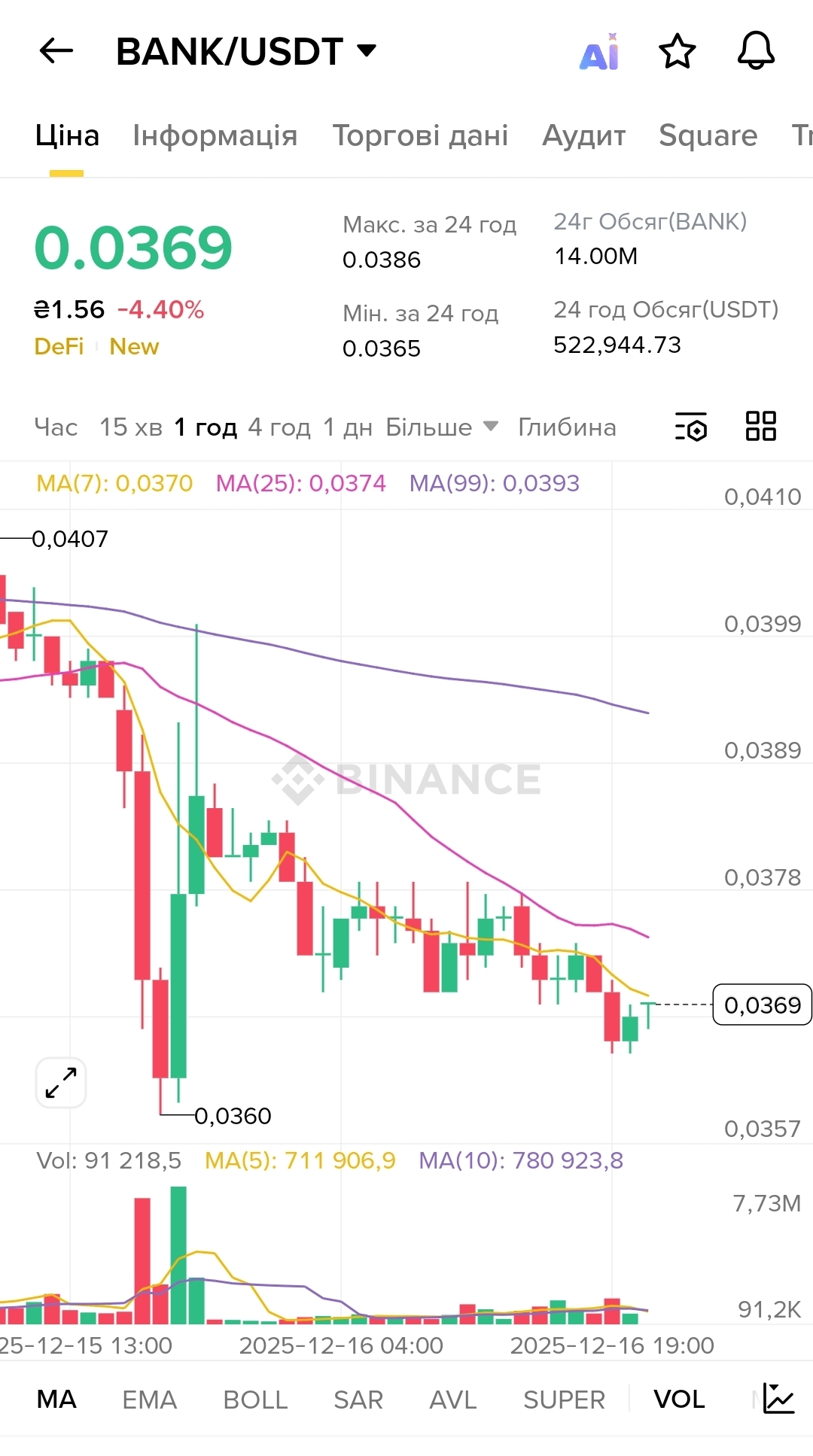
I look at the chart $BANK and see what I have been seeing everywhere for the last few months. A fall of 4.40% in a day, the price is 0.0369, the minimum touched 0.0360. All moving averages are going down, MA for 7 periods is 0.0370, for 25 periods is 0.0374, for 99 periods is 0.0393. A classic bearish picture, nothing new. Trading volumes are 14 million in the BANK pair and slightly more than half a million in USDT, liquidity is there, but not what it was before. And you know what? It doesn't even scare me like it used to, because I have already gotten used to this crypto winter and have started to understand how @LorenzoProtocol adapts to these harsh conditions.
The crypto winter is not just a price drop; it is a change in the entire atmosphere of the industry. The hype disappears, the tourists who came for quick money leave, and only those who truly believe and build remain. Trading volumes fall, liquidity dries up, projects close one after another or get stuck in development. I've seen this in 2018, I've seen it in 2022, and I'm seeing it now. Every crypto winter wipes out the weak and hardens the strong; this is natural selection in action.
What is Lorenzo doing in these conditions and why are they still here? First and foremost, they are not chasing crazy growth at any cost, as other protocols did during the bull run. I remember those times when every second DeFi project promised thousands of percent APY, and everyone understood it was a pyramid, but no one cared while the music was playing. Lorenzo took a different path; they built real infrastructure for liquid staking Bitcoin through Babylon, focusing on security and sustainability, rather than marketing numbers. Now, when all the hype has deflated, this has proven to be the right strategy because they have a real product, not just promises.
The second thing is capital protection mechanisms. In a bear market, the main thing is not how much you earn, but how much you don't lose. Lorenzo uses conservative risk management strategies, diversifying funds across different protocols, and insurance funds in case of exploits. It doesn't sound sexy, it doesn't attract attention like promises to double your money in a week, but that's what allows you to survive tough times. I have learned to appreciate boring stability more than thrilling roller coasters of volatility.
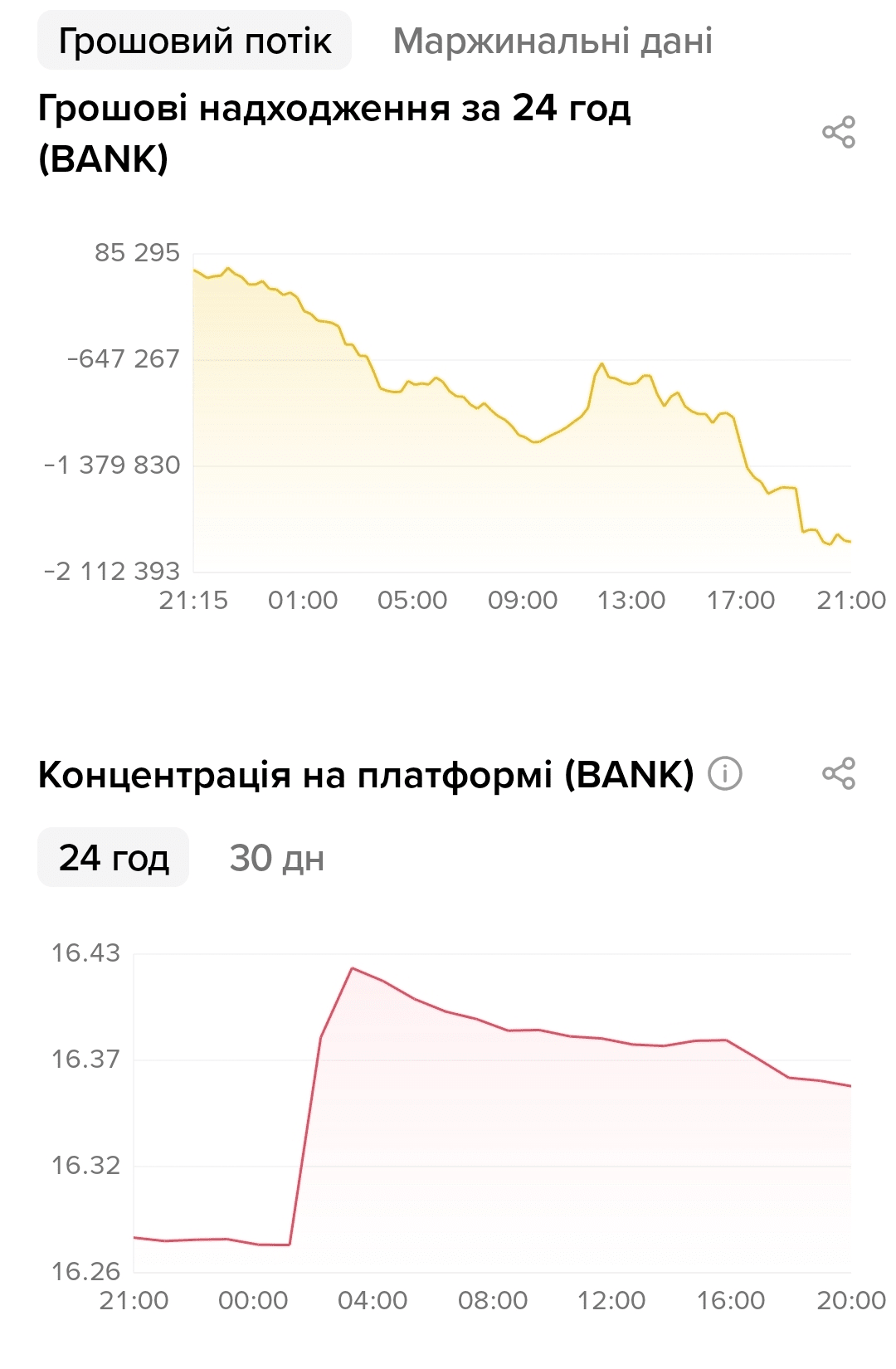
Volumes have fallen, and that's a fact, but if you look deeper, you'll see that core users have remained. 14 million volume in the BANK pair shows that the asset is not dead; people continue to work with it. This is not the crazy volumes of a bull market, where speculators drive prices up and down; this is organic trading activity from those who really use the protocol. And this is actually healthier in the long term than artificially inflated numbers.
You know what struck me when I was digging through their documentation during this winter? They didn't panic, they didn't radically change strategies, they didn't start promising unrealistic APYs to lure users back. They simply continued doing what they were doing - improving the product, optimizing smart contracts, integrating with new protocols, building partnerships. This is a sign of team maturity, understanding that market cycles are temporary, while infrastructure remains.
Another important point is that the tokenomics is thought out to survive the winter. The burn mechanism operates independently of market conditions, with a portion of fees constantly being burned. This means that even when activity decreases, the supply still gradually shrinks. When the next bull market arrives, and it will, a token shortage will be created amidst rising demand. The math is simple, but few plan ahead like this.
Staking has also adapted to the new realities. The yield has decreased, of course, this is inevitable when activity across the ecosystem falls. But it remains positive and real, not synthetic like those projects that simply print tokens to pay rewards. Lorenzo pays from real protocol fees, and even if this is less than at the peak, it is fair and sustainable. Personally, I am ready to receive 8-10% real yield rather than 500% from tokens that will be worth zero tomorrow.
I've been thinking lately about how they manage risks in low liquidity conditions. This is a serious problem for any DeFi protocol - when liquidity falls, slippage increases, making it harder to enter and exit positions without incurring losses. Lorenzo keeps significant liquidity reserves in key pools, maintains market-making activity, and works with several liquidity providers. This is a cost, of course, but it is an investment in survival. When other protocols lost all their liquidity and became unusable, Lorenzo remains functional.
The community has also shown its strength during the winter. I enter their Discord and see people continuing to discuss strategies, share experiences, and support each other. This is not an empty chat where only bots and scammers exist, like in many dead projects. This is a living community that believes in the long-term perspective. The team continues to be active, answering questions, publishing updates, conducting AMA sessions. This openness and transparency create trust, and trust is the most valuable asset in a crypto winter.
Regulatory pressure is increasing, and this is another challenge that needs to be dealt with. Many protocols simply ignore this topic, hoping they won't be affected. Lorenzo chose a different approach; they proactively work on compliance, consult with lawyers, and prepare for possible regulatory changes. This may seem overly conservative, but when real problems with regulators arise, these preparations can become a lifesaver.
The technical side is also not standing still. While the price is falling and attention is waning, the development team continues to release updates, fix bugs, and optimize code. Recently, they released a significant update that reduced gas costs by 30%, which may seem trivial, but for users actively working with the protocol, it's real savings. These small improvements accumulate and gradually make the product better.
Integrations with other protocols continue even in winter. This is important because when the thaw comes, Lorenzo will already be integrated into dozens of ecosystems, having established connections and established liquidity flows. Others will start doing this when the market turns, but Lorenzo will already be one step ahead. This is strategic thinking, planning years ahead, not just for the next quarter.
The chart shows a clear downtrend, all moving averages are pointed down, the price is trading below all of them. Technically, this looks bad, I won't lie. But technical analysis describes the past and present; it doesn't account for fundamental changes happening beneath the surface. A team building during the winter gains a huge advantage when spring arrives. I've seen this several times already; projects that survive and continue to develop in a bear market often yield the best results in the subsequent bull run.
My strategy with Lorenzo right now is DCA (dollar cost averaging) on dips and long-term holding with staking. I'm not trying to catch the bottom, I'm not trying to trade this volatility. I simply buy small amounts regularly when the price falls below certain levels, and stake everything I have. The yield from staking plus the burn mechanics plus future growth when the market turns - that's my plan. Maybe I'm wrong; maybe the project won't take off, but the risk-reward ratio seems attractive at current levels.
The most important thing I've understood during these months of observing Lorenzo in the crypto winter is that they are not just surviving; they are using this time to strengthen their positions. While other protocols are folding or going into hibernation, Lorenzo continues its active work. This is the difference between a project built for quick profit and a project built for the long term.
#LorenzoProtocol @Lorenzo Protocol $BANK