Today was one of those days that quietly reminds you why patience, planning, and emotional control matter so much in trading.
The trade didn’t start with excitement or hype. It started with observation. Watching price action, understanding structure, and letting the market show its intention instead of forcing an entry. Too many people rush into trades because they fear missing out, but real consistency comes when you wait for confirmation and accept that missing a trade is always better than entering a bad one.
As the day progressed, the position began moving in our favor. Not aggressively at first, but steadily. This is usually the moment where emotions try to interfere. Greed whispers to hold forever, fear tells you to close too early, and doubt questions your original analysis. The hardest part of trading is not finding entries — it’s managing yourself once you’re already in the trade.
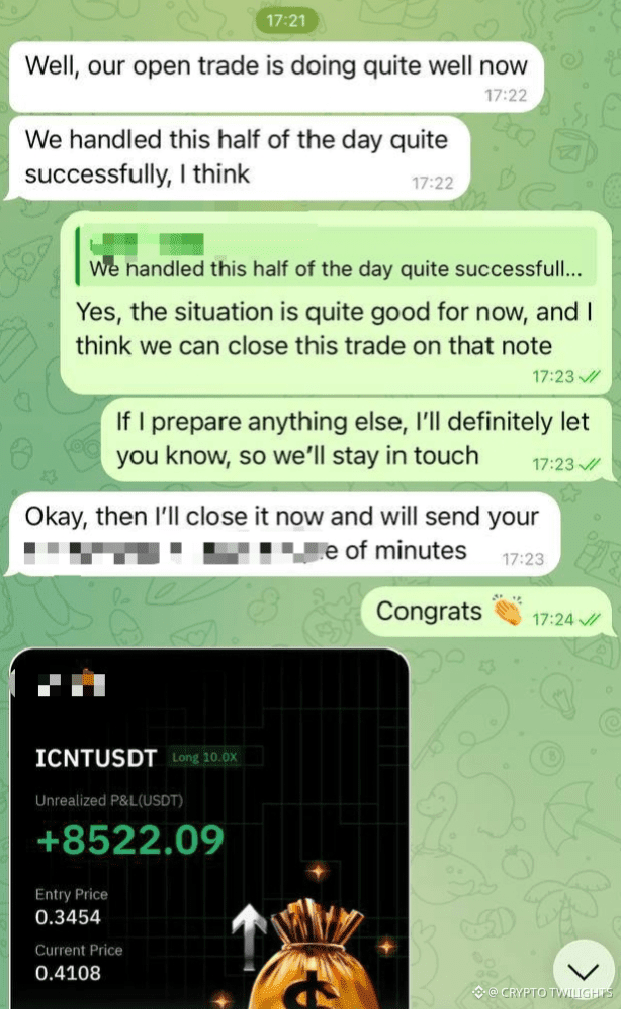
We handled the first half of the day calmly and with structure. No over-management, no panic reactions to small pullbacks, and no impulsive decisions based on short-term candles. This kind of discipline doesn’t come overnight. It’s built after experiencing losses, mistakes, and moments where emotions cost more than the market ever did.
One important lesson from today is knowing when “enough is enough.” The situation was good, the trade was healthy, and the profit was already meaningful. Closing a trade at the right time is a skill many traders underestimate. Holding longer doesn’t always mean smarter. Sometimes, protecting what the market has already given you is the most professional decision you can make.
Another key takeaway is communication and clarity. When you’re trading seriously — whether alone or with others — clear thinking matters. No confusion, no rushed decisions, and no ego involved. The market doesn’t care about confidence or opinions. It only reacts to liquidity, structure, and psychology. Staying neutral helps you align with reality instead of fighting it.
Seeing a strong unrealized P&L is rewarding, but it should never become the goal itself. Numbers are a result, not a purpose. If you chase profit alone, emotions will eventually take control. But if you focus on process — entries based on logic, exits based on structure, and risk managed properly — the results take care of themselves over time.
Days like this also remind us that every trade is independent. A good trade today doesn’t guarantee a good trade tomorrow. Overconfidence after wins is just as dangerous as fear after losses. Balance is everything. Stay grounded, stay consistent, and treat every setup with the same level of respect.
It’s also worth mentioning that not every successful trade looks dramatic. Some of the best trades feel almost boring. No stress, no constant chart checking, no emotional rollercoaster. Just execution and patience. If your trading feels chaotic all the time, something in your approach needs refinement.
At the end of the day, closing a trade successfully is not about celebrating money — it’s about confirming that your discipline worked. That your rules were followed. That emotions didn’t hijack your decisions. That you respected both the market and your own strategy.
Trading is a long journey. There will be slow days, frustrating days, and days where nothing works. But there will also be days like this — calm, structured, and rewarding. The key is to stay consistent through all of them.
One trade doesn’t define a trader. But how you handle each trade does.
Stay focused. Stay patient. Respect the process.
---