
The development of the ecosystem is usually perceived as a direct driver of value. New applications, partnerships, and activities create a sense of progress. However, at the market level, this does not always manifest in the growth of the token's price.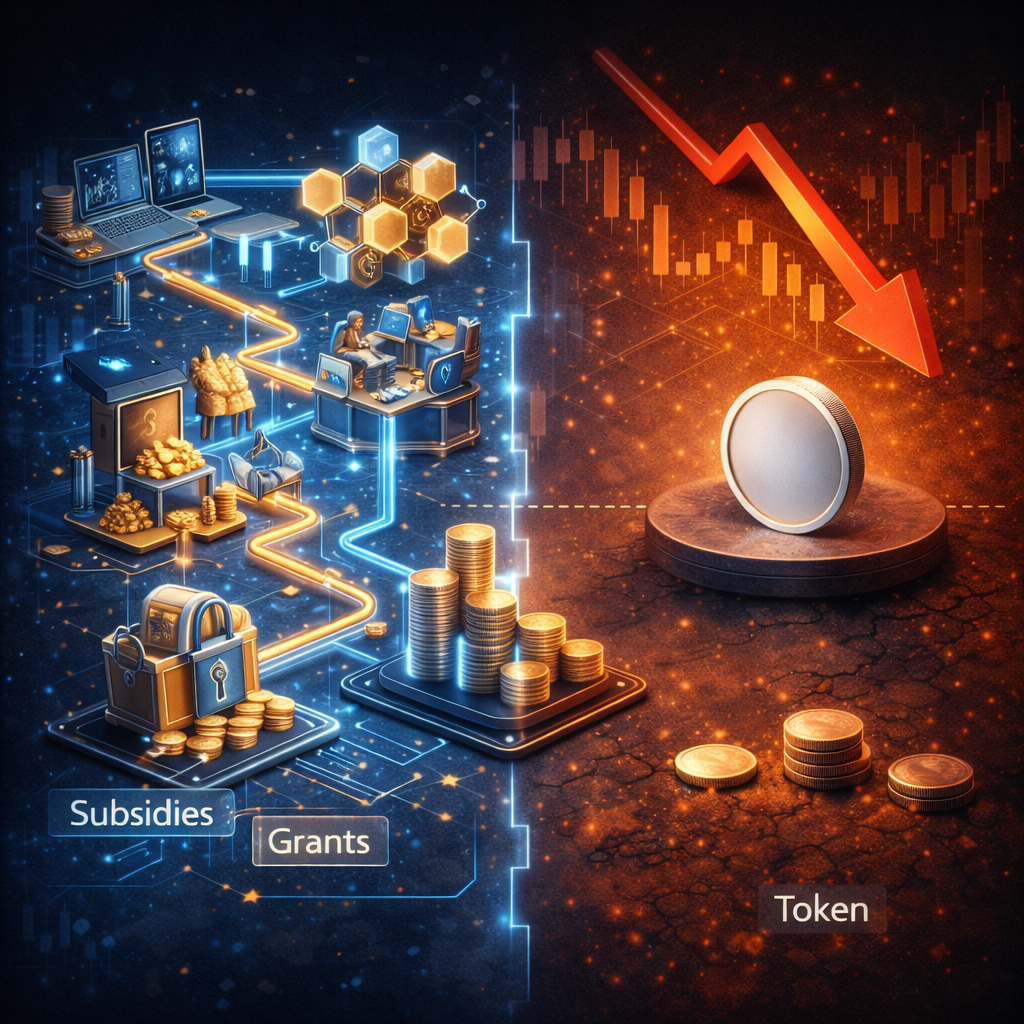
The reason is that the ecosystem and the asset serve different functions. The ecosystem can grow through subsidies, grants, and incentives, without creating a sustainable demand for the token. The asset in such a model becomes a distribution tool rather than a point of value concentration.
The expansion of the ecosystem is often accompanied by an increase in supply. Rewards for developers, users, and validators increase turnover but do not create a shortage. As a result, activity increases, and the price remains in a range or experiences pressure.
Over time, the market begins to distinguish between the growth of usage and the growth of the economic significance of the token. If the ecosystem can function without accumulating the asset, its development does not transform into a long-term price effect.$SOL

The key point here is that the growth of the ecosystem is not an indicator of the token's strength. The price reacts not to the number of events but to whether the asset becomes the center of economic flows or remains merely an auxiliary element.$ARB
