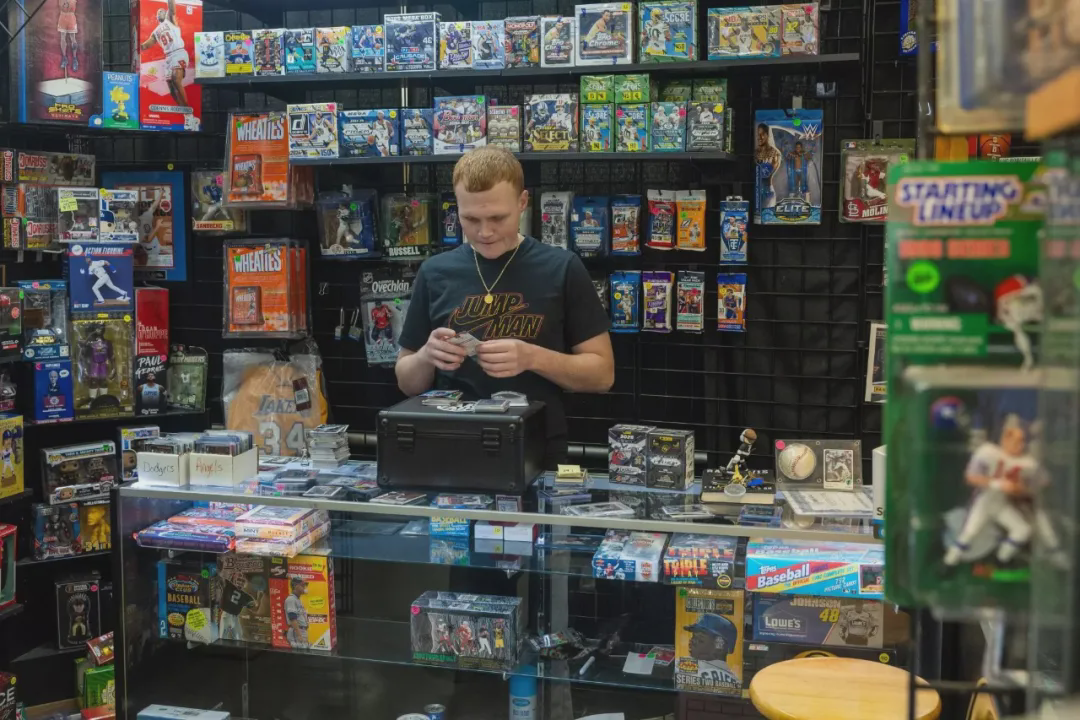
For collectors, the thrill of opening a pack of cards and discovering a rare card is unparalleled - sometimes you can get items worth thousands of dollars for just a few dollars.
At trading venues in Southern California, savvy dealers and entrepreneurs have turned flipping cards into a radical business, with market values changing rapidly based on player performance.
The sports card industry has soared to a scale of $14.9 billion in 2024 and is expected to reach $52.1 billion in the next decade.
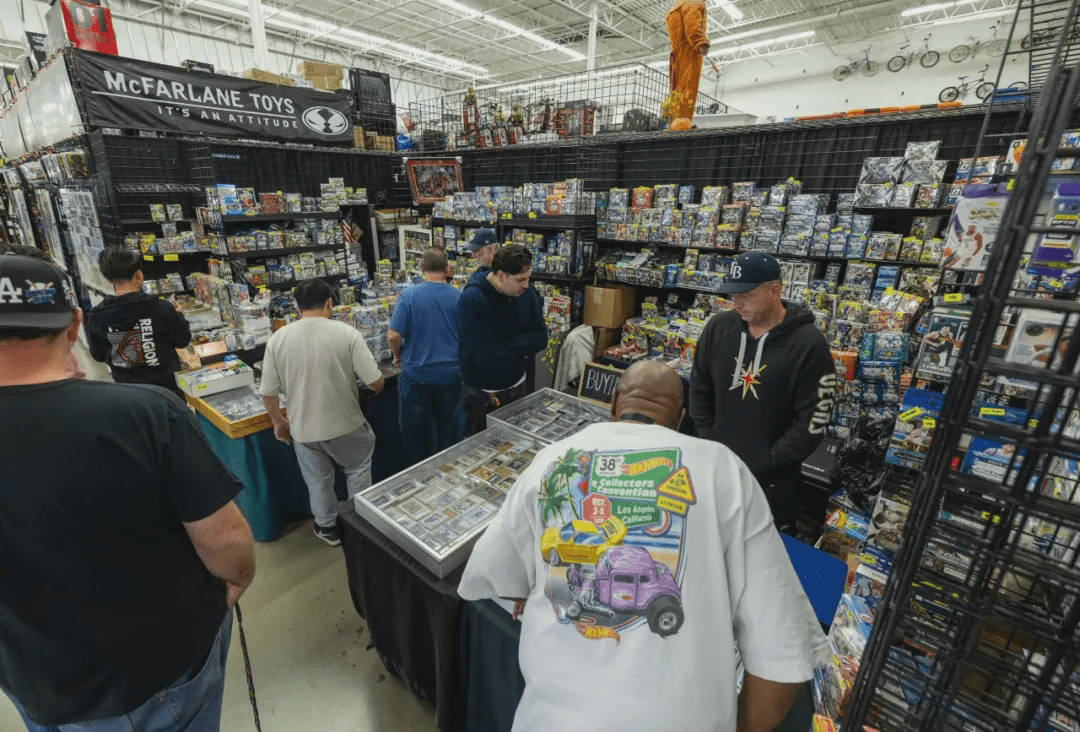
For Greg Petikyan, trading sports cards is like a negotiation game. Last month at the Frank and Son collectibles show, he struck deals with several sellers in just seconds, all of whom were offering the same card: a 2025 Panini Donruss series Saquon Barkley downtown card.
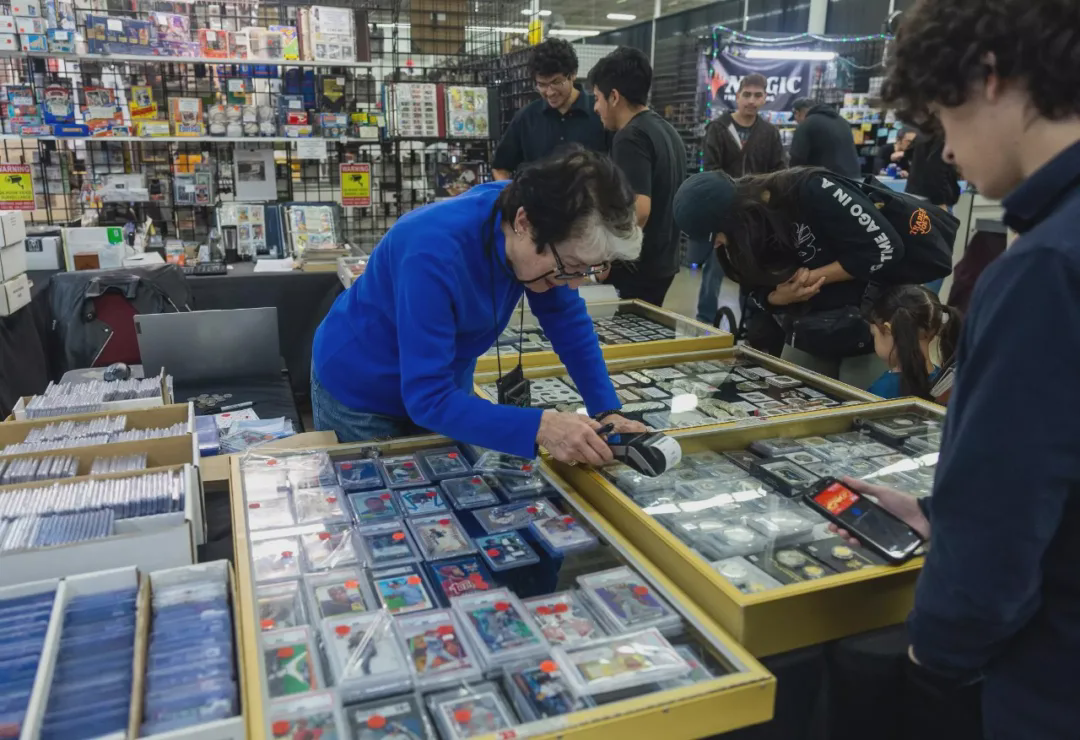
The first deal was a three-for-one, plus a few hundred dollars as an extra incentive, or directly buying for $460. When the seller checked the value of the card he wanted on his phone, Petikyan told him he would get back to him later.
This entrepreneur did not sell it himself but sold the item to another vendor, Eric Mitchel, at the opposite booth. Ultimately, this rectangular cardboard collectible featuring the Super Bowl champion running back and the Philadelphia skyline was sold for $300.
What about another deal?
“It's too late,” Petikyan said. “I will still buy those cards I wanted before.”
It’s not personal grudges; it’s just business.
According to a report by Market Decipher, the collectible card trading and collecting industry is valued at $14.9 billion in 2024 and is expected to reach $52.1 billion in the next ten years, while the overall sports memorabilia industry is projected to reach $271.2 billion by 2034.
E-commerce platforms like Fanatics Live and Whatnot have turned the trading of legendary sports star cards into entertainment and driven market development. Heritage Auctions sold the most expensive star card ever in August, referred to as the “Holy Grail” by basketball collectors, which is the Michael Jordan and Kobe Bryant dual-signed card from the 2007-08 Upper Deck Exquisite Collection series.
This one-of-a-kind star card sold for $12.932 million, surpassing the $12.6 million sale of the Mickey Mantle card in August 2022. This Jordan-Kobe card is the second most expensive sports collectible ever, only behind Babe Ruth's jersey worn during the 1932 World Series, which sold for $24.12 million.
Last Friday, Heritage Auctions set an annual sales record, surpassing $2 billion in transaction volume, including a 2003 Upper Deck Exquisite Collection dual Logo Jordan-Kobe card sold for $3.172 million - this card is not signed.
The collectible card industry is rapidly developing, and its ecosystem has also spawned many niche markets. Collectors can pursue cards from specific teams, focus on collecting vintage cards, collect misprinted cards, seek specific memorabilia from their favorite teams, and some even buy cards just to resell them and then buy more cards for flipping.
“I’m sure many men like to show off their collections,” said Adam Campbell, a sports card expert at Heritage Auctions. “People love to own beautiful, cool collections,” he added.
George Peña, 53, is another vendor at Frank and Son, who stated that this chasing method can change the direction of business transactions. Frank and Son used to be a Sam's Club and now has over 200 merchants selling and displaying collectibles three days a week.
Children approached his booth, haggling with him. Most of the time, he didn’t necessarily need them to hand over business cards, but interacted with them, letting them experience the joy of shopping.
“The family is incredibly excited for them,” Peña said.
But dealing with someone like Petikyan is a different situation.
“Negotiating with these kinds of people is a bit different because they want to make money, and we want to make money too,” he joked with Petikyan.
Due to the extreme fluctuations in the value of star cards, some collectors have turned to investment, with the value of star cards changing in real-time - rapidly, unpredictably, and erratically. For example, after Shohei Ohtani hit three home runs and struck out ten batters in Game 4 of the National League Championship Series in 2025, his star card's value immediately rose. However, this volatility is a double-edged sword - after Cleveland Guardians pitcher Emmanuel Clase was indicted by federal government for telecom fraud and bribery, his star card's value also dropped.
Campbell said: “The value of cards is entirely dependent on hype and popularity, with no other factors; it's completely arbitrary.”
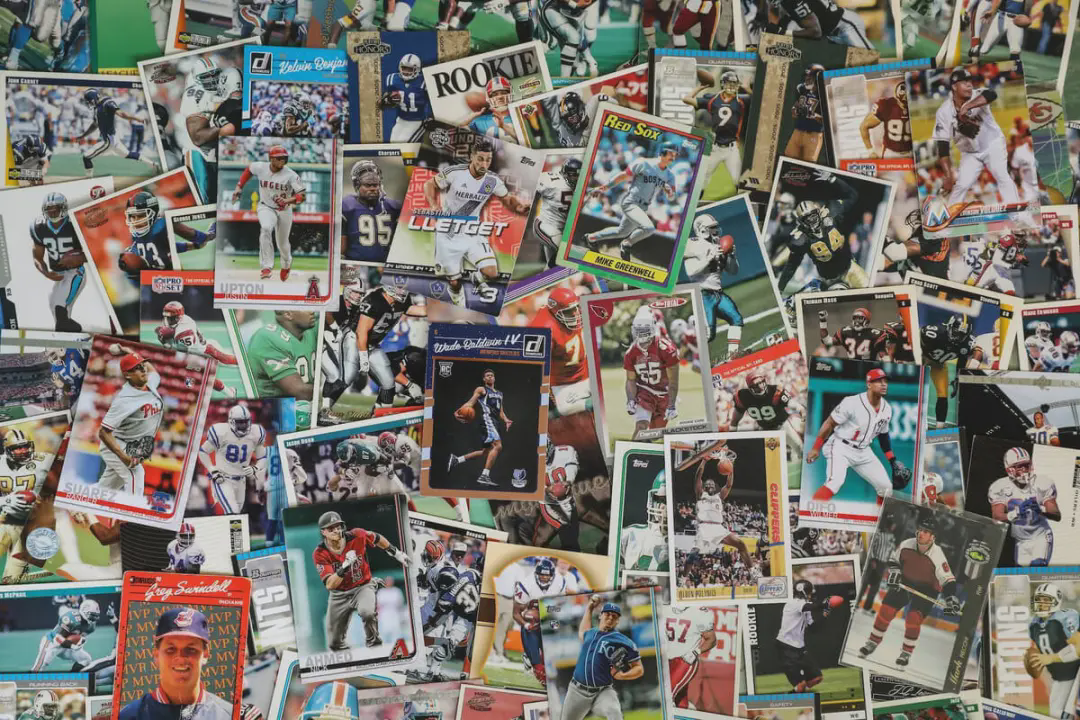
Since Goodwin Tobacco Company issued the first set of player baseball cards in 1886, collecting star cards has been part of the culture. The N167 Old Judge star card set was placed in small cigarette boxes to boost sales and ensure the star cards wouldn’t be damaged during transport.
Since the tobacco industry began trading sports cards, sports cards have gone through generations of changes, each with its unique characteristics.
Before the 1980s retro era, card designs were simpler, with lower print runs, featuring all sports legends in the sets. Then came the era of 'junk wax cards,' where excessive production led to product devaluation. Today's ultra-modern era has transformed the market into an investment and scarcity field, digitizing through websites like Arena Club, which repackage pre-graded cards into boxes.
No matter how the world changes, collectors have always shared a common feeling over the years: the excitement of opening a pack and finding a rare card they have longed for is indescribable.
“This feels amazing. Just think about it, spending $20 or $30 to buy a $1,000 card?” Petikyan said. “It’s like winning the lottery, but better because its value will increase based on the player's performance.”
27-year-old Petikyan from Montebello operates a page called “Strictly Pullz” on the shopping app Whatnot, where he unboxes and auctions the cards inside. Any cards pulled from teams he sells are mailed to buyers, and sometimes he includes a higher-value card to hype up a particular series.
For some, this business is inseparable from collecting.
Mitchel said: “I will use some money earned from business to expand my personal collection. If it weren't for business, I would never find these items suitable for personal collection.”
Regardless of the motivation, drawing a card worth far more than its price is still a priceless treasure.
“I just bought a pack of cards and pulled a $1,000 card.” Campbell said as a collector: “Every time you open a pack could change your whole day, even a week, a month, or even a whole year.”
Campbell said, but the meaning of collecting cards is not just about the value of each card.
“Do this because you love sports, do this because you love collecting.”
Content on OpenSea that you care about
Browse | Create | Buy | Sell | Auction

Follow collections on the OpenSea Binance channel
Master the latest news