
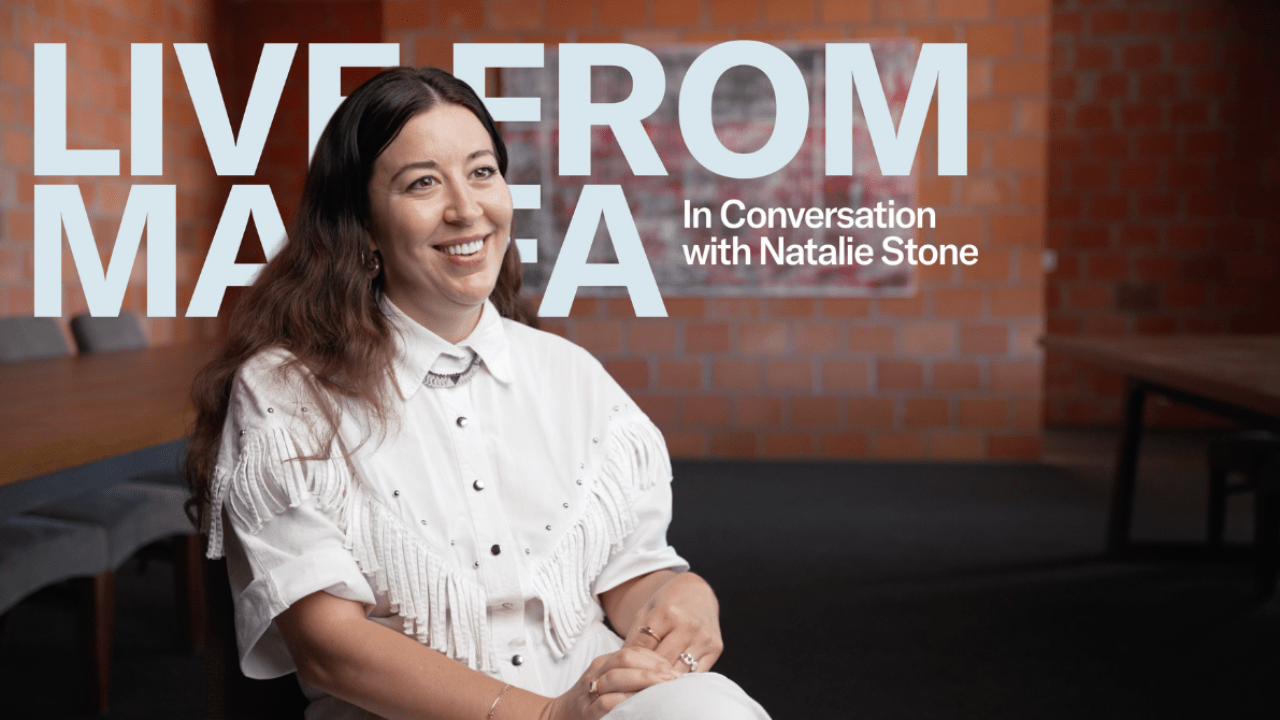

Natalie Stone is an executive producer who has helped shape some of the most influential moments in the digital art field, from guarding the legacy of CryptoPunks to collaborating with the NODE Foundation to create immersive exhibitions; her work consistently integrates art, technology, and culture in a uniquely crafted way.
She is known for facilitating effective collaboration between artists and engineers, dedicated to interdisciplinary exchange of ideas, and striving to preserve the precious stories that define this creative era.
This interview took place in the lobby of the St. George Hotel during the Marfa Art Blocks weekend, where Natalie Stone reflected on community, legacy, and the growing desire to bring digital works into the real world.
Note: For brevity and clarity, the content of this interview has been edited.
OpenSea:
Well then, let's start by briefly introducing yourself.
Natalie Stone:
Hi, I am Stone. I am an executive producer and consultant in the field of art and technology, and I recently founded a consulting company called Stonework.
OpenSea:
You have dedicated your life to bringing artists and engineers together. What exactly makes collaborations in the fields of art and technology truly successful?
Natalie Stone:
In the current collision of technology and art, the most exciting thing is that throughout history, artists have been searching for new tools. With the emergence and rapid development of new tools, technology has provided artists with such opportunities.
Imagine if a new color were discovered (in fact, this has just happened recently), or if a new color appeared in a crayon box, what would that scene look like?
OpenSea:
What inspired you to bring artists and engineers together?
Natalie Stone:
Reflecting on my journey and how I discovered the opportunity to bring artists and engineers together, I realize that every producer, executive producer, and even every generalist has walked a long and winding road. My starting point was actually art.
That was my major in school, and it was what I dedicated time and effort to, but I didn't realize at the time that this field also held job opportunities. Later, I transitioned into the music field and discovered that the dialogue between technology and art was more frequent. Since Bob Dylan and the electric guitar changed the direction of rock music, I saw opportunities, especially in stage design and production.
Ultimately, when I joined Google, I was almost hesitant about accepting the job. They hired me because they wanted to integrate more cultural elements into the experiences they were developing. I had a period of working with engineers during which I held some biases; I thought, oh, this isn't creative.
But then I realized that, in fact, these programmers and engineers are some of the most creative people I know. I realized I have this unique ability to be a bridge for these dialogues. The opportunity just appeared and revealed itself. Since then, I have been chasing this opportunity and moving in the direction it points me.
OpenSea:
So interesting, you're right, some of the most creative people are those who use technology to solve problems, and they can find innovative solutions to these issues.
Natalie Stone:
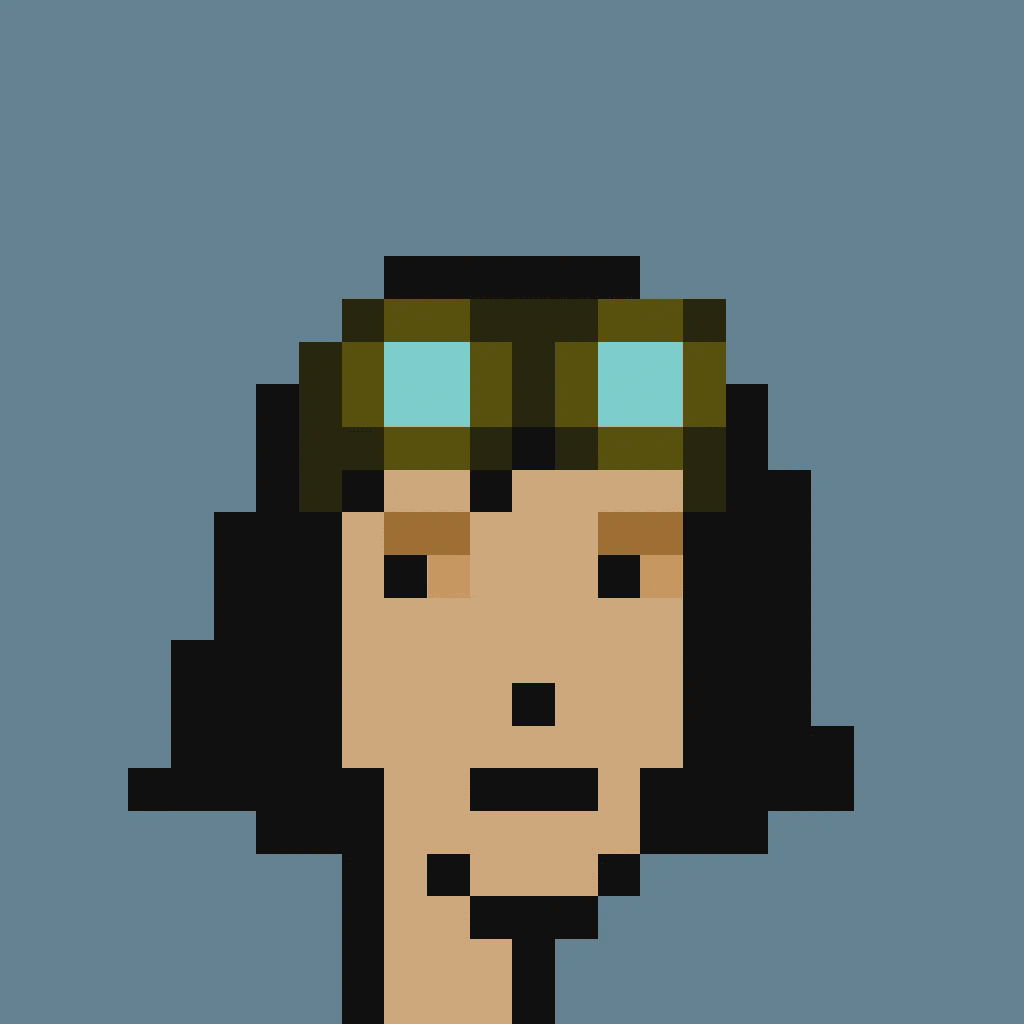
I think the artists I collaborate with, that is, the artists from Larva Labs, are most interesting in this regard. They (Matt Hall and John Watkinson) and I have all worked at Google, and that is always a fun thing. We did not meet there, but the genetic makeup of Silicon Valley's entrepreneurial culture indeed contains certain qualities that nurture creativity. However, their creative practices are rooted in solving problems.
For them, a blank canvas or a blank paper is actually very daunting. They need a problem to solve, a limit to challenge. I think this applies very much to creativity and artists, especially in our ever-changing and developing world, where human significance is also constantly evolving.
Political divisions are huge, and social divisions are significant. This actually creates a great opportunity for some of the great artworks of our time to emerge. The conditions are in place: limitations, constraints, and things to rebel against.
OpenSea:
You previously described technology as a way to enhance lasting legacy. How do you decide when is the best time to invest in new technology, rather than thinking that the technology does not provide actual benefits to existing processes?
Natalie Stone:
When I consider making technical suggestions, I feel that in some ways, I am a strategic person. But interestingly, my strategy is actually to listen and observe the situation on-site and strive to be focused and engaged. Therefore, I never forcefully use new tools or impose a solution.
I tend to observe existing resources, understand the goals artists want to achieve, identify possible shortcomings, and try to connect these clues. I think this may be my superpower. Rather than proposing my own ideas, I reflect the existing situation like a mirror and try to gently remind them, 'Hey, have you considered this?' All of this comes from my deep listening and focus.
OpenSea:
In CryptoPunks, you are managing one of the most influential digital art collections. What should cultural management look like in the blockchain era?
Natalie Stone:
There are two main aspects of cultural stewardship that I believe are important. One is clarity, and the other is how to tell stories and communicate with different audiences so that people can clearly understand what crypto punks are. You have to consider how to adjust the explanation based on the needs of different groups, as their understanding of this technology, art, and community may vary. I think this is a very important aspect of stewardship.
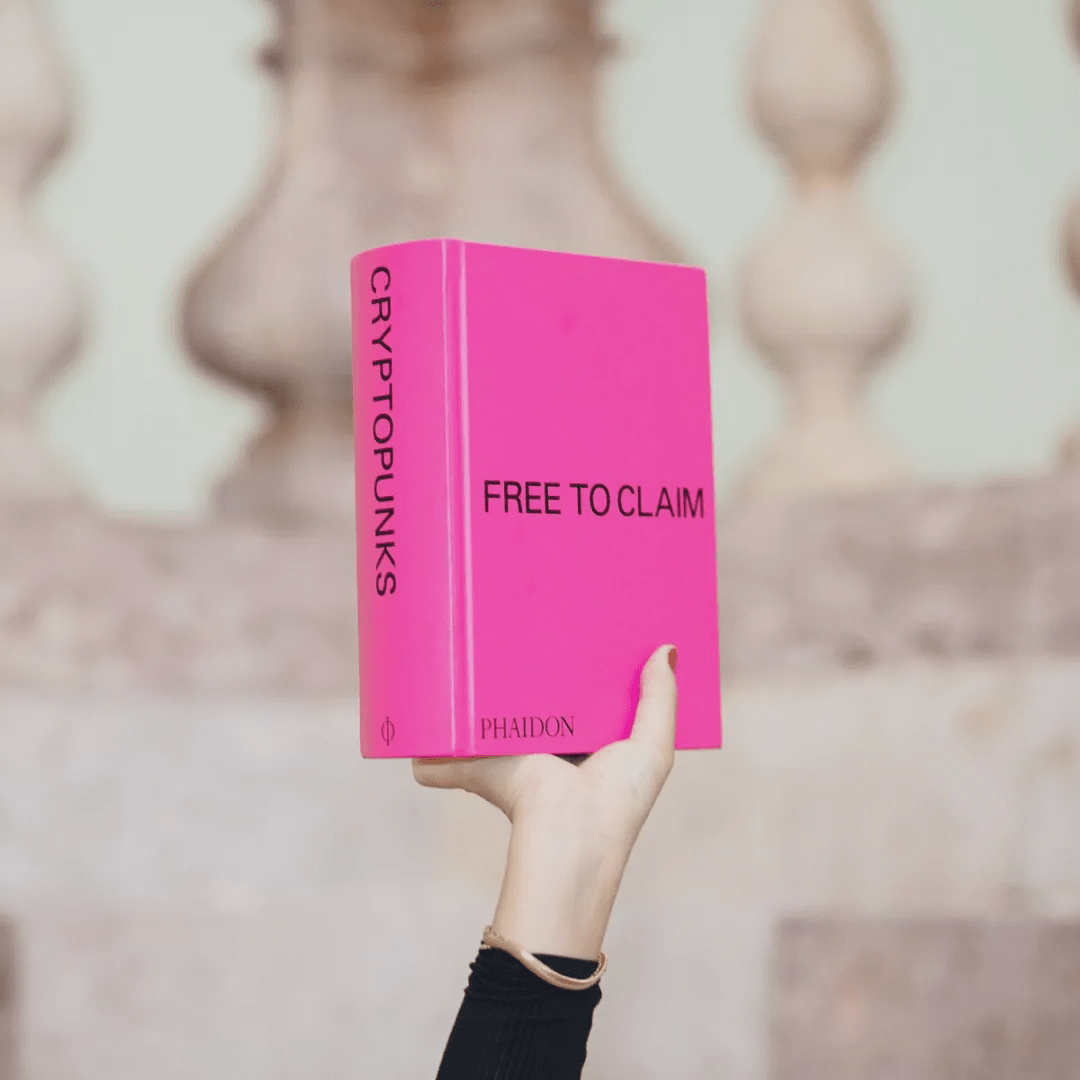
The second is recording and archiving work. Yes, the content on the blockchain is permanently preserved, but many things have already been lost. I mentioned this when writing the CryptoPunk book. There are many scattered stories on social media and various channels. Sometimes I feel that the meaning of stewardship is to ensure that these scattered stories and clues are not forgotten but preserved. I believe it is crucial to maintain rigor, seriousness, and attention to detail in the archiving and preservation process.
OpenSea:
It seems that deep within us, there is an almost primitive impulse to make certain things into physical books.
Natalie Stone:
Yes, it's very interesting. Matt, John, and I often talk about how our parents didn't know what we were doing before, and they still seem to not really understand. But that book - CryptoPunks Free to Claim - has indeed given us some recognition. Another interesting phenomenon in the fields of digital art, on-chain art, and protocol art is that people generally have a deeper desire for physical works.
For me, this indicates that the field is maturing and hopes to go beyond screens to communicate with a broader audience. Physicality, especially the physical presentation of works in exhibitions, is crucial. For example, NODE is a great example, and you can feel this in Marfa as well. Additionally, there is a trend to translate the current era and this renaissance into tangible experiences aimed at both new and old audiences.
OpenSea:
Of course, you once said that Stonework was created for like-minded and diverse thinkers. In your work at Stonework, what types of collaborations or technologies excite you the most?
Natalie Stone:
Right now, everything is a bit chaotic. I mean, I feel excited about everything all at once. Obviously, it is a great honor to work with Matt and John, who are creating new generative works. Being part of it brings me immense comfort and satisfaction. It not only means protecting, passing down, and expanding their artistic legacy like I did before in CryptoPunks, but also thinking about how to create new brilliance with Larva Labs.
I am also collaborating with some well-known artists to create immersive experiences. I have been thinking about the physical space of NODE and some upcoming exhibition projects. So, I really wish I could answer what excites me in one word. What excites me is that every artist I have worked with is so different, their creative practices are so unique, and the works they bring to the world are so rich and diverse, from ThankYouX to Radiohead, from Larva Labs to NODE, without exception.
Every day is completely different for me. I engage in all kinds of conversations every day, and perhaps the most interesting thing is that at this moment, a kaleidoscopic array of things is being created and made in the world, which is truly worth observing and appreciating.
OpenSea:
What does coming here this weekend mean to you? How do you feel? Whether it's the atmosphere of being with these people or the natural scenery before your eyes, what does it remind you of?
Natalie Stone:
I've always been a popular lone wolf. Making friends or meeting people isn't hard for me, but I seem to always wander between different groups, never really fitting into any circle. I guess this has to do with some childhood trauma from high school. I feel that my most profound experience in this community over the past two years is that it has truly become my home.
Here, everyone knows you, I feel accepted and have found a sense of belonging. I didn't even realize how much I needed this feeling before, because I never had trouble making friends, but for some reason, I always felt like I hadn't found a group that truly belonged to me. They might be a bit nerdy, a bit artistic, a bit quirky, a bit geeky, a bit alternative, or a bit reclusive, but they are all warm and welcoming.
I think finding a group like this is really special. I think that’s what Marfa means to me—returning to a place that truly belongs to me. This feeling is very profound.
Disclaimer: This content is for reference only and should not be considered financial or trading advice. Mentioning specific projects, products, services, or tokens does not constitute endorsement, sponsorship, or recommendation by OpenSea. OpenSea does not guarantee the accuracy or completeness of the information provided. Readers should verify any statements in this article before taking any action. Readers are responsible for conducting due diligence before making any decisions.
#CryptoPunks #LarvaLabs #NODE #Marfa
The OpenSea content you care about
Browse | Create | Buy | Sell | Auction

Follow OpenSea Binance Channel
Stay updated