

@Plasma #Plasma $XPL
If you have been through the uptrend season of 2021, the name 'Plasma' must sound both strange and familiar.
Familiar because it evokes memories of a solution to scale Ethereum from a long time ago, strange because Plasma of 2025–2026 has nothing to do with that anymore.
Plasma (XPL) is now a completely different entity, and if I had to use one word to describe it, I think the term 'monster' is not an exaggeration, especially in the context of this cycle revolving around stablecoins, payments, and financial infrastructure.
To put it simply, Plasma is a specialized blockchain for money transfer, especially USDT. It does not try to become the 'world computer' like Ethereum, nor does it race for TPS with Solana.
Plasma chooses a very narrow but deep path: how to make the use of stablecoins smooth, cheap, and secure enough that ordinary users or large organizations can use it like Apple Pay or bank transfers. All of Plasma's design revolves around that question.
The biggest differentiator is the zero gas fee mechanism for USDT transactions. It sounds simple, but in the crypto world, this is extremely difficult. No one wants to pay a few dollars in fees just to send a stablecoin, especially when they are handling large amounts of money with high frequency.
Plasma solves this by optimizing infrastructure for a specific use case, instead of trying to handle hundreds of applications.
In addition, this network is 'anchored' securely to Bitcoin through the anchor mechanism, creating a layer of security that traditional financial institutions feel much more comfortable with than completely trusting a new chain.
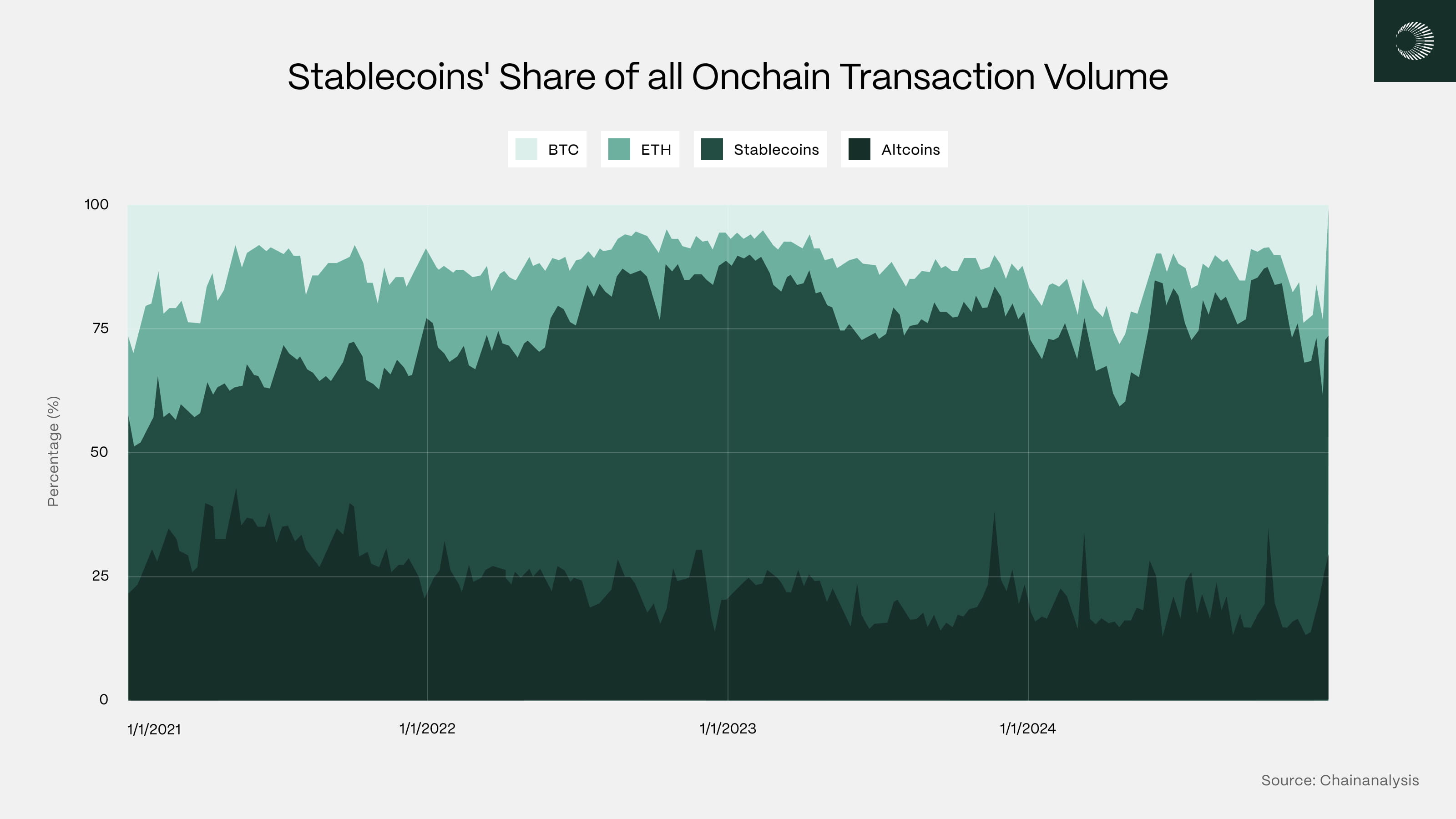
The reason why Plasma will truly explode in the 2025–2026 cycle does not come from a short-term hype story, but from the fact that it meets an increasingly growing demand.
Stablecoins are no longer just for trading; they have become tools for cross-border payments, treasury management, and even savings accounts in many countries. As the volume of USDT circulating becomes increasingly enormous, having a network created solely to serve USDT is almost inevitable.
A huge boost for Plasma is the integration with NEAR Intents at the beginning of 2026. In the past, anyone who has swapped large volumes on DeFi understands the painful feeling of slippage or having to go through a series of risky bridges.
NEAR Intents opens up a new approach: users just need to say what they want, and the system will find the most optimal path.
When Plasma combines with this mechanism, swapping over 100 types of assets at prices approaching CEX floors becomes a reality.
This is the point that 'sharks' and large funds are particularly interested in, as they always want to leave centralized exchanges but do not want to sacrifice price efficiency.
Alongside DeFi, Plasma also strongly pushes the real-world payment sector. Plasma One is no longer just a slide pitch deck; it has become a product used for real in hundreds of countries.
A card that allows you to spend stablecoins anywhere, earn cashback, receive interest directly on your balance, and you don’t need to understand anything about private keys or gas fees. This is the moment when crypto touches everyday life naturally, without needing to educate users too much.
Another factor that makes many people assess Plasma as unlikely to 'flop' is the list of backers. When you see names associated with the history of digital payments like Peter Thiel or Tether behind it, the story becomes very different.
In particular, Tether's backing of a dedicated network for USDT is like the money printer building the entire highway system for that money to circulate. It does not guarantee that the price of XPL will only go up, but it shows that this project is not lacking in resources and long-term motivation.
From a personal perspective, I do not see Plasma as a project to 'ride the peak and dump' in a few weeks. This is a game about infrastructure, about who will become the foundation for global stablecoin flow.
In the context of clearer legal regulations regarding stablecoins, projects that are real, have real users, and solve cross-border payment issues will have a significant advantage. Plasma is standing at the intersection of Bitcoin, stablecoins, and neobanks, and that is an extremely rare position.
The remaining question is pricing and expectations. Is XPL overvalued or not fully reflecting its potential? This depends a lot on the speed of adoption and whether Plasma can maintain its focus.
But looking long-term, it is very hard to overlook an infrastructure that is gradually becoming the backbone for the use of stablecoins in real life.
What do you think, will Plasma just be a piece of the puzzle or can it really dethrone the old payment platforms in the coming years?


