
Rick Rieder name has shot to the top in the race to replace Jerome Powell. All of a sudden, he’s the favorite in prediction markets, and his recent meetings with President Trump have only fueled the buzz. By late January 2026, traders had pushed his odds well ahead of the rest of the field.
So, who is Rick Rieder? He runs global fixed income at BlackRock and oversees one of the world’s largest bond operations. That means he’s steeped in interest rates, central bank policy, and the way markets react to economic news exactly the kind of experience you’d expect for someone being considered to lead U.S. monetary policy.
Why all the attention from Wall Street and the White House? Rieder’s supporters point to his deep market knowledge and his practical approach to tough decisions. They say he gets how policy shifts ripple through bonds, credit, and the broader economy. Of course, there are skeptics. Some worry about his close ties to BlackRock and the sheer size of assets under the firm’s control. The argument comes down to this: Does private sector experience translate into responsible public service?
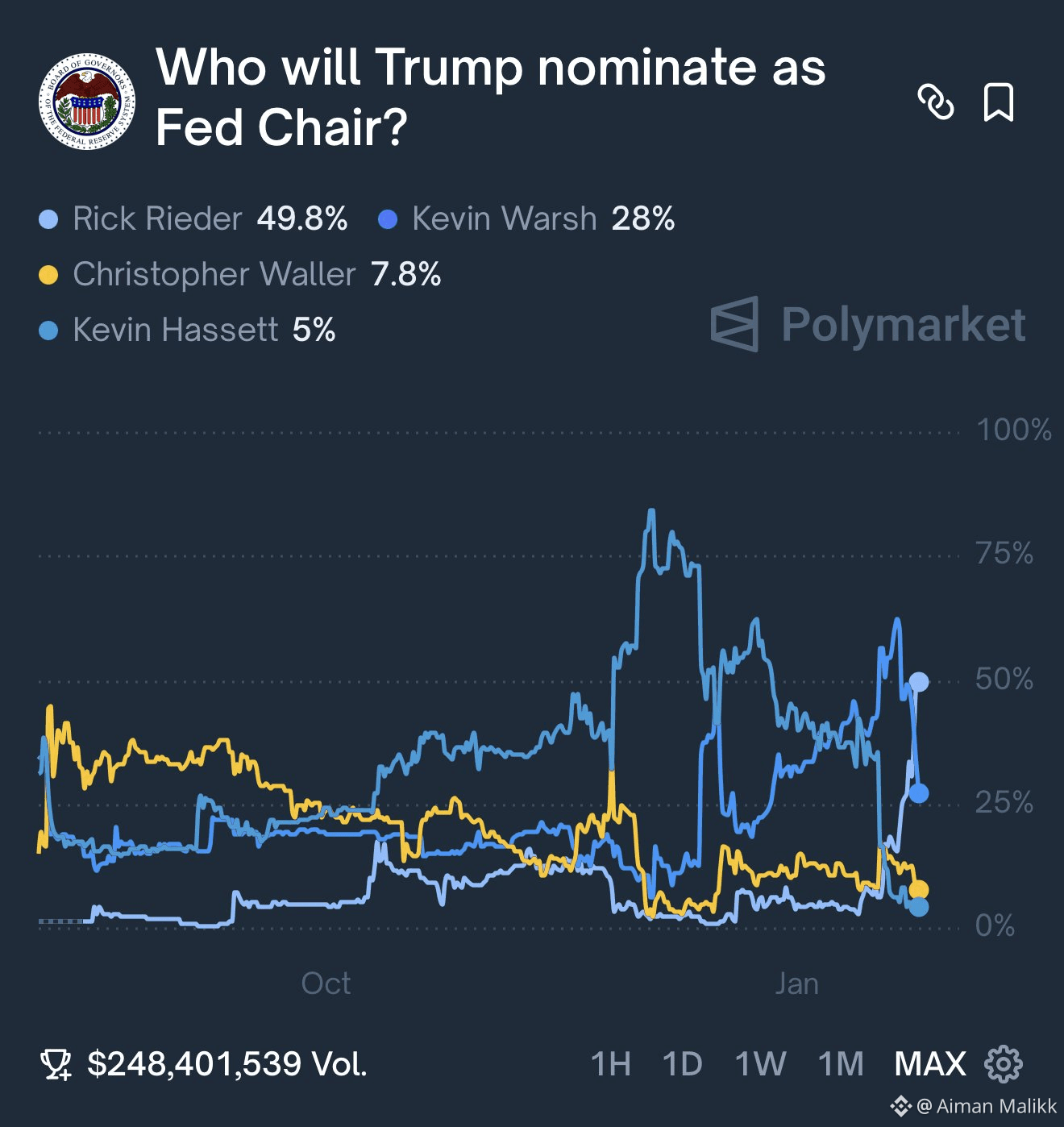
Prediction markets offer a real-time look at where the winds are blowing. Lately, the bets have swung sharply in Rieder’s direction. It’s not an official nomination, but it does show how fast sentiment can change, especially after someone meets the president or lands a big endorsement.
What’s next? Any nominee still faces a thorough vetting process and needs Senate confirmation. The Fed Chair calls the shots on interest rates and shapes how the world interprets U.S. inflation and growth. Rieder’s background could bring a different tone or style to policy decisions maybe steadier rates, maybe a new approach to risk management. It all depends on his full policy outlook and how the Senate frames the debate.
Rieder’s rise shows just how closely markets, policymakers, and investors are linked. When someone with serious market chops looks like a real contender, it can quickly move expectations for interest rates, asset prices, and risk appetite.
