

┈┈➤ The trend of WLFI
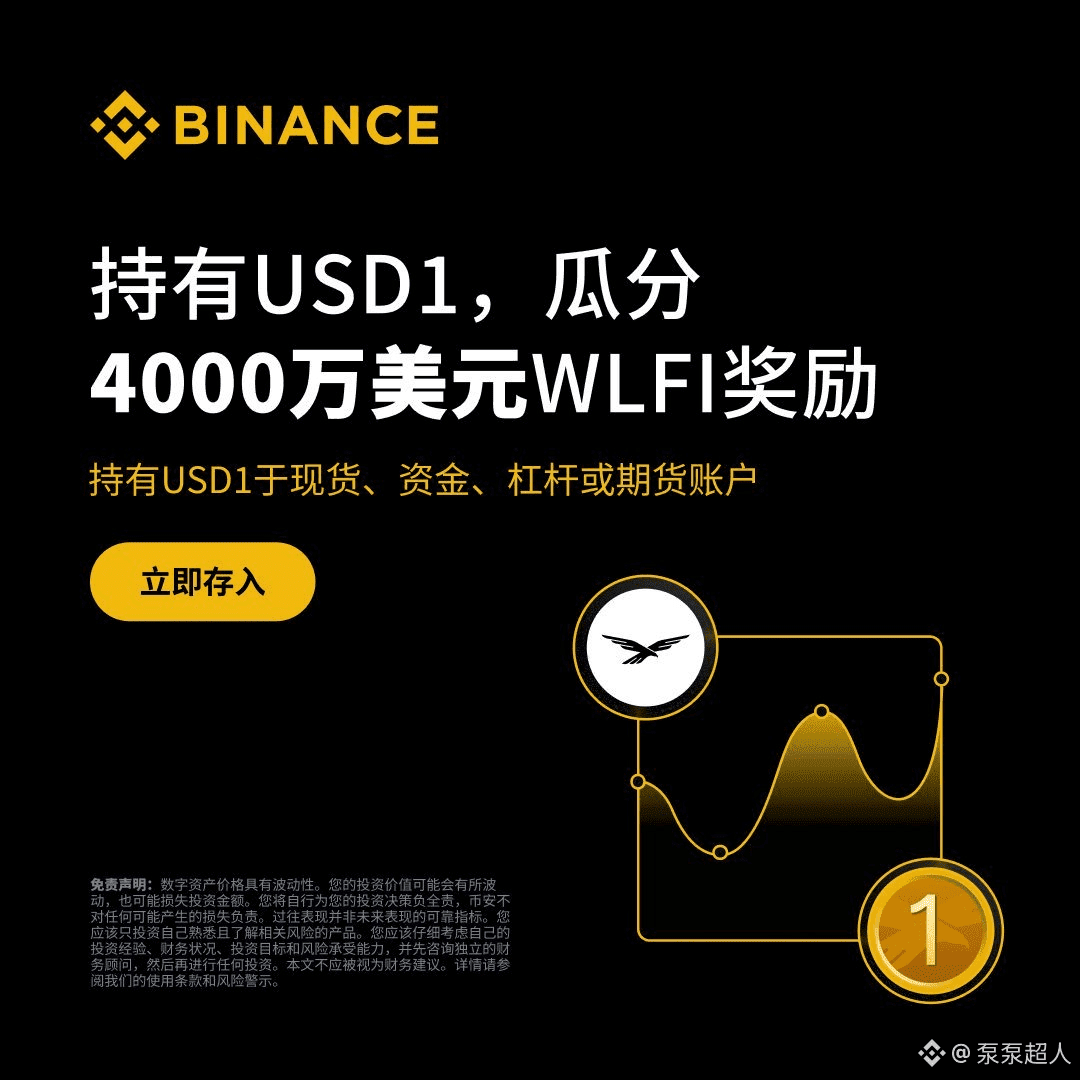
The reward is in USD terms, worth 40 million dollars of #WLFI.
This means that the higher the price of WLFI, the fewer WLFI tokens will be distributed, and the subsequent selling pressure on WLFI will also be less.
Therefore, if we follow normal logic, the next increase in WLFI, especially before the distribution of rewards, is more beneficial for the WLFI project team and market makers.
┈┈➤ The increase in USD1
Regarding the recent increase in USD1, it is actually to meet the needs of this event.
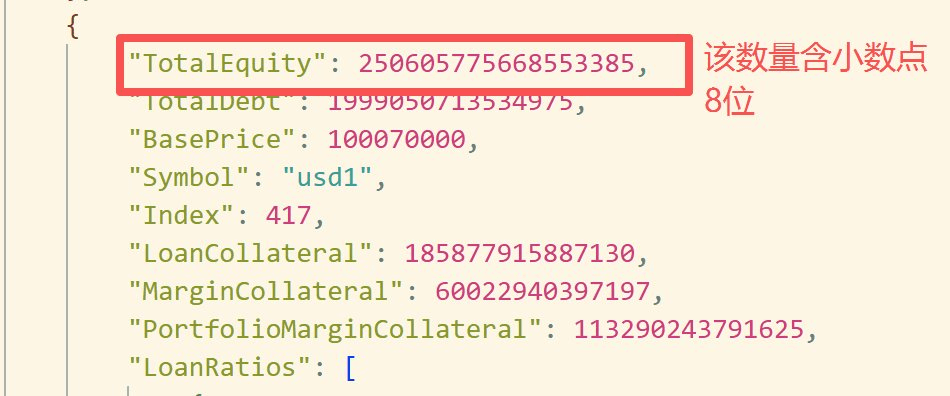
According to Binance's storage proof, on January 1st, Binance had a total of 2.506B #USD1.
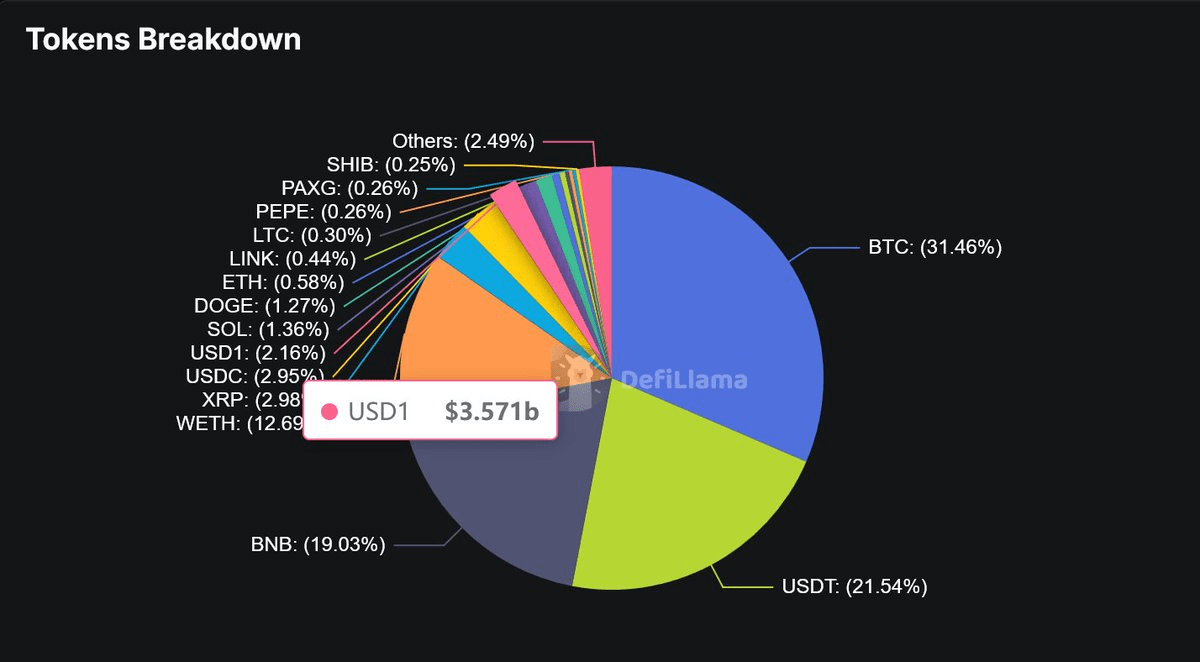
According to the on-chain data read by defillama, Binance had a total of 3.571B USD1.
According to CoinMarketCap, the market value of USD1 has increased by 1.643B.
It is speculated that there will be more capital inflow into Binance's USD1 in the future.
It should be noted that after Binance launched the USD1 financial management activity on December 23, the annualized yield reached 20%, and the price of USD1 once uncoupled to exceed 1 dollar.
Therefore, the issuance of USD1 is to meet the demand of the activity, and the market need not be overly emotional about the issuance of USD1.
┈┈➤ Estimated yield of the activity
Total amount of USD1 on Binance:
December 1: 1.931B (from Binance’s storage proof),
January 1: 2.506B (from Binance’s storage proof),
Now: 3.571B (from DefiLlama).
◆ However, the amount of activity participation cannot be calculated based on the total amount, as there are parts held by market makers, and Binance has trading pairs for USD1. Market maker accounts should not participate in the activity.
◆ The increase from January 1 to now should mostly be participants in the activity, as Binance had a USD1 financial management activity previously.
◆ The USD1 increased last month also has some participation in the activity, as the USD1 financial management activity started on the 23rd of last month.
◆ There should also be some users' USD1 that participated in the activity previously.
So, generally speaking, the increase of USD1 from December 1 to now, plus half of the previous amount, is used to calculate the activity participation.
3.571B-1.931B+1.931B*0.5=2.6055B
0.04B/2.6055B/28*365=20%
Based on the current participation amount, the estimated annualized yield is around 20%.
Of course, this estimate has a large deviation. But the yield should be higher than 0.04B/3.571B/28*365=14.6%
Therefore, even if market maker accounts participate in the activity, based on the current participation amount, the annualized yield is also 14.6%.
┈┈➤ The strategy and ambition of WLFI
The strategy of WLFI is clear and wise, cooperating with the world's largest platform—Binance, rather than running the activity independently by the project party.
On one hand—efficiency, initiating activities on the Binance platform directly attracts a large number of users, and WLFI does not need to develop new smart contracts on-chain.
On the other hand—effectiveness, having Binance operate the activity allows WLFI to gain greater influence. Binance's influence in the crypto industry is comparable to, or even exceeds, that of the President of the United States.
Therefore, WLFI is not simply creating a DeFi platform, nor is it just issuing a coin. It is about promoting USD1.
Speculating that the Trump family has three motivations:
First is the micro motivation, to push USD1 towards becoming a universal stablecoin that forms a tripartite structure with USDT and USDC, generating revenue through USD1.
Second is the industrial motivation, the presidential family participating in DeFi to support the development of the American crypto and Web3 industry.
Third is the macro motivation, the macro significance of the US dollar stablecoin that Brother Bee has analyzed before: on one hand, exporting US dollars globally through on-chain. On the other hand, providing new demand scenarios for US Treasury bonds. Because US Treasury bonds are issued using the Dutch auction format, the more purchase amount participating in the auction, the more favorable it might be to lower interest rates on US Treasury bonds. This is beneficial for reducing the financing cost of US Treasury bonds.