

Vanguard's global head of quantitative equities compared Bitcoin at a conference in New York to a plush toy. John Ameriks referred to the cryptocurrency at Bloomberg’s event “ETFs in Depth” on Thursday as a “digital Labubu”.
His derogatory remarks came just a few days after Vanguard opened its platform for crypto exchange-traded funds from BlackRock and Fidelity. The Senior Portfolio Manager at Blockvestor Capital, Patrick Schneider, analyzes why this contradiction reveals something fundamental about the hesitant acceptance of digital assets in traditional finance.
The platform access that no one expected
Vanguard's decision to offer access to crypto ETFs represents a complete turnaround from the company's historical position. For years, the firm had refused to offer cryptocurrency products in any form. Management repeatedly stated that digital assets were too speculative and inconsistent with its own investment philosophy. This stance seemed unshakeable until recently.
The opening of the platform grants 50 million Vanguard customers access to regulated crypto investment vehicles. These products come from competitors who were quicker to adopt digital assets. BlackRock and Fidelity built extensive crypto businesses while Vanguard watched from the sidelines.
Market developments forced a rethink. Vanguard noted that crypto ETFs have 'gone through phases of market volatility and functioned as intended while maintaining liquidity.' Customer demand likely played a role as well. The refusal to grant access while competitors did created an obvious competitive disadvantage.
The blind spot in revenues
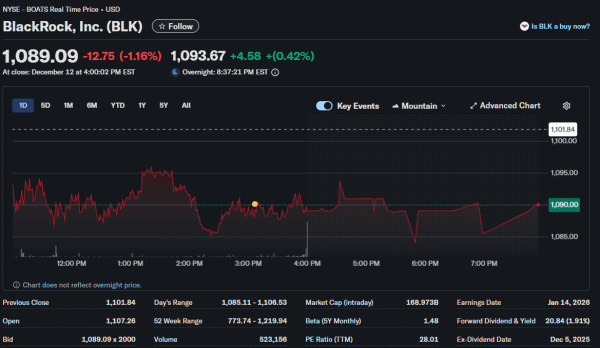
Ameriks stated that Vanguard has no plans to launch its own crypto ETFs. This decision has significant financial implications that the company appears willing to accept. According to industry reports, Bitcoin ETFs are now the largest source of revenue for BlackRock.
Vanguard has essentially given this revenue opportunity to competitors. The company allows its customers to purchase third-party products without earning management fees from crypto engagement. This structure benefits BlackRock and Fidelity—at the direct expense of Vanguard.
The strategic consideration reveals clear priorities. Vanguard places a higher value on philosophical consistency than on potential profits from cryptocurrency products. Management apparently believes that maintaining traditional investment stances is more important than capturing market share in new asset classes. Whether shareholders share this compromise remains open.
The Labubu comparison and what it overlooks
Ameriks’ comparison of Bitcoin to Labubu stuffed animals shows how traditional finance views digital assets. Labubu represents speculative collectibles without inherent utility or cash flow. The analogy overlooks Bitcoin's monetary properties and its growing institutional acceptance.
The manager expressed specific concerns about cryptocurrency investments. Bitcoin generates no ongoing returns, no compounding effects, and no predictable cash flows, as Vanguard seeks in long-term investments. This criticism applies traditional stock analysis models to an asset class based on entirely different principles.
The advisory vacuum created by Vanguard
Vanguard opened platform access but explicitly refused any investment advice regarding crypto assets. The company will not recommend to its customers whether they should buy or sell digital currencies. It will neither recommend specific tokens nor provide meaningful allocation ratios.
This cautious approach creates a problem for customers seeking professional guidance. Vanguard informs 50 million investors that they have access to crypto products, but they must develop the actual implementation themselves. This stance protects the company from liability risks but leaves customers without support.
What the numbers actually show
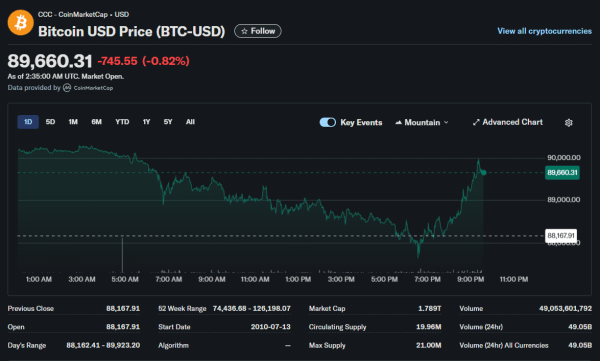
Ameriks claimed that Bitcoin resembles speculation more than wealth creation. Market data paints a different picture. Over the past five years, Bitcoin has achieved a return of over 1,000% despite several crashes and high volatility.
Traditional asset classes could hardly keep pace. The S&P 500 increased by around 80% during the same period, including dividends. Real estate saw similar gains in most markets. Bonds delivered low single-digit returns while simultaneously suffering from interest rate pressure.
The post Vanguard's Bitcoin hypocrisy reveals institutional capitulation appeared first on Visionary Financial.
