
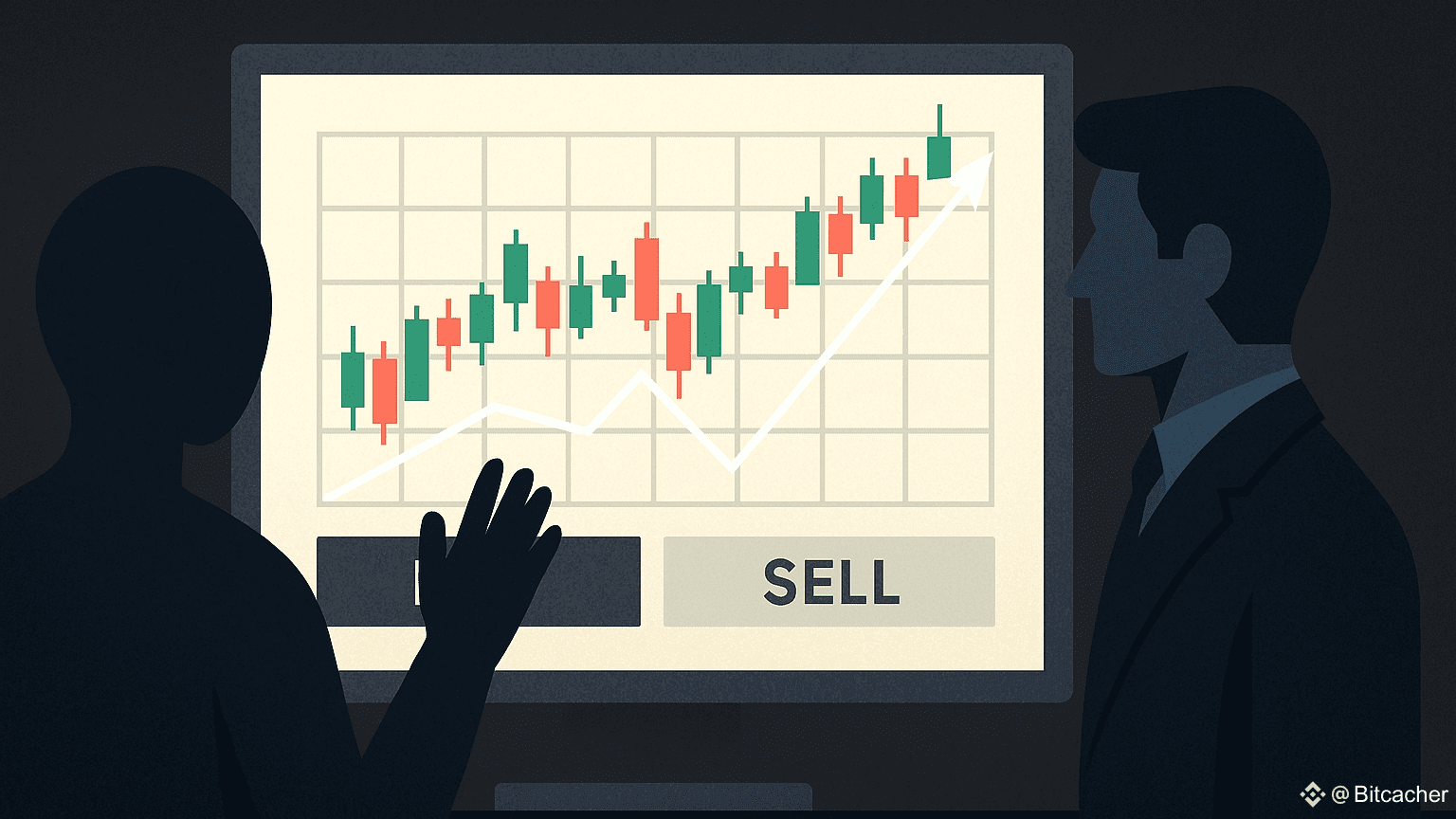
Copy trading is not just a technical tool, but a behavioral model in which an investor consciously delegates decision-making to another market participant. Unlike passive strategies, the illusion of control is maintained here, although real risk management is often absent.
Returns: not what they seem
At first glance, copy trading promises quick access to high returns. However, the real picture is more complex. Subscribers rarely replicate the trader's results exactly — due to execution delays, differences in volumes, and non-synchronous stops. Moreover, strategies that demonstrate impressive results in the past may be overfit and unstable in the future.
Risks: hidden and systemic
The main threat of copy trading is information asymmetry. The subscriber does not know the trader's motivations, does not see the full structure of the portfolio, and does not control the exit moment. This creates behavioral traps: an investor may hold a position even if the trader has already exited, or conversely — panic too early.
Moreover, mass copying amplifies market movements, especially during periods of high volatility. This turns copy trading into a source of systemic risk, especially in closed ecosystems.
Comparison with other models
Unlike index strategies or algorithmic trading, the copy model relies on trust rather than structure. It does not provide transparency, does not guarantee repeatability, and often depends on the trader's charisma rather than their methodology. This makes it vulnerable to emotional distortions, especially in market stress conditions.
Conclusion: copy trading as a mirror of behavior
Copy trading is not just a way of investing, but a reflection of how people seek simple solutions in a complex environment. It is built on trust, but often lacks transparency. Behind the external ease lies risks: from loss of control to following someone else's strategies without understanding their logic.
Its effectiveness cannot be measured solely by returns. It is important to consider how it affects decision-making, risk perception, and the investor's ability to maintain autonomy. Copy trading is not a tool, but a behavioral choice, and its consequences depend not only on the market but also on the individual.
#Copytrading #RiskVsReward #MarketDynamics #EmotionalTrader #Write2Earn