

Hello everyone, I am Paul from Coinmanlabs, and today I want to talk to you about whether SOL #sol has already hit the bottom?

1. Let's take a look at the overall data
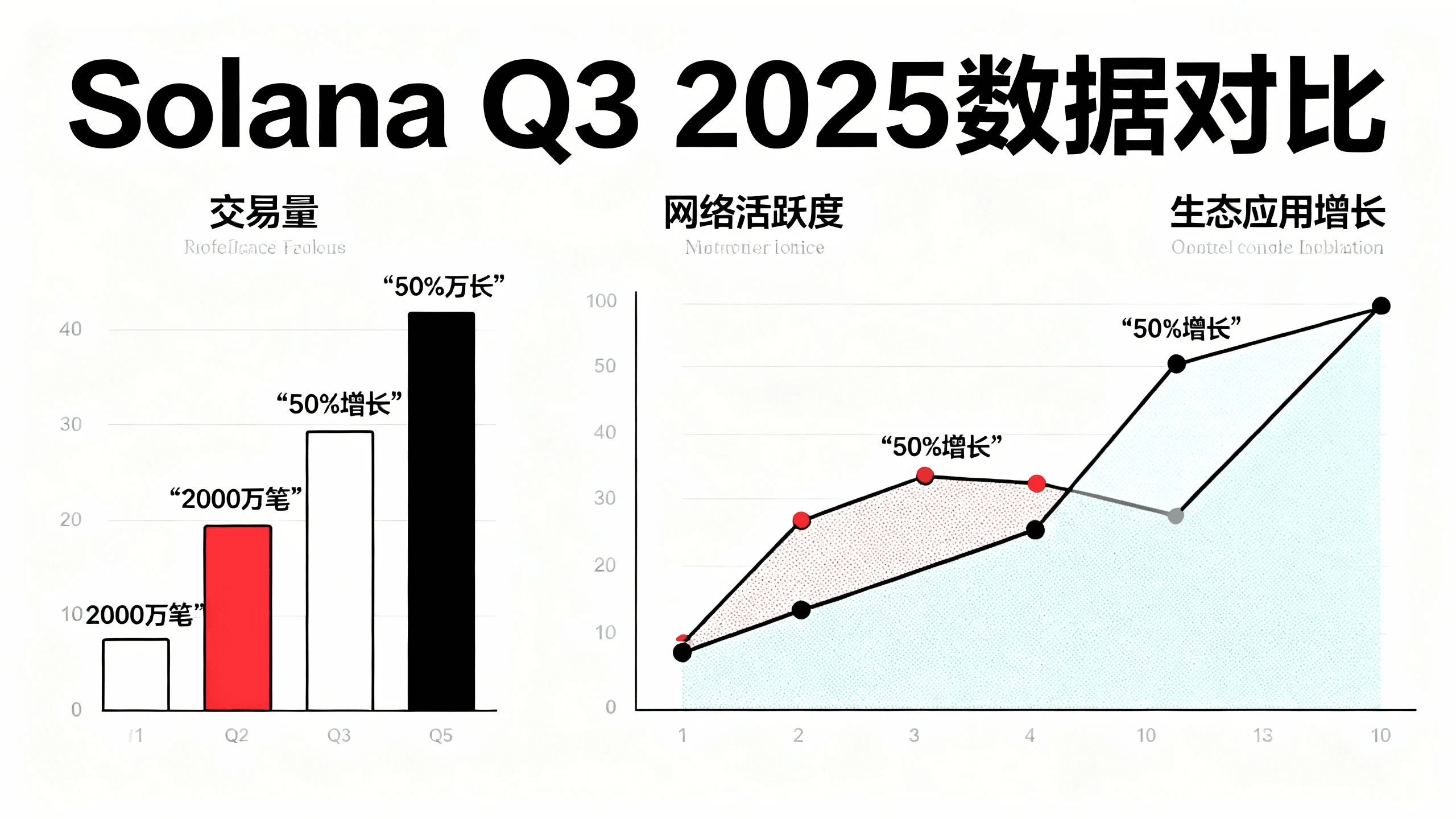
Solana's third quarter of 2025 is like two sides of a coin:
One side is cooling: the frenzy of Meme coins has receded, daily active addresses have decreased by 30%, the real economic value has fallen by 18% month-on-month, and competitors like BSC and Base are continuously eating into market share.
The other side of the data tells a completely different story: the total locked value (TVL) grew by more than 30% this quarter to reach $11.5 billion, with stablecoin supply surging nearly 40% to $14.6 billion, a number that is almost three times what it was at the beginning of the year.
What is truly key is that the Solana team is advancing one of the most ambitious technology roadmaps in the crypto industry, from consensus mechanisms to client diversity, from throughput optimization to application layer innovation, each attempting to redefine the limits of high-performance blockchains.
This division is most clearly reflected in two dimensions:
From a short-term activity perspective, the Q3 data indeed looks bad. The proportion of on-chain fees to SOL's market value has dropped by over 60% since the peak in July. After the meme season ended, speculative funds have flowed massively into the perpetual contract market, which has had a direct impact on on-chain activity. Competitors are not idle either; BSC has attracted a lot of attention through the perpetual DEX (Aster) associated with CZ, and many users have migrated from Base and Solana to BSC. Base has further occupied the area that Solana once dominated by deeply betting on consumption applications.
Focusing on the fundamentals presents a completely different picture. The significant growth of TVL and stablecoins indicates one thing: real money is flowing into this chain. Stablecoins are especially noteworthy. USDC's growth on Solana is close to 40%, now accounting for 69% of all stablecoins on the network. The daily average stablecoin transfer volume surged by 50% to approximately $750 million. This is not just simple deposits and holds, but real economic flow. Hundreds of millions are transacted daily on Solana, which can be considered the real value of the blockchain.
If data represents the present, then the technology roadmap represents the future. Solana is advancing upgrades along three key directions, each showcasing its long-term ambitions.
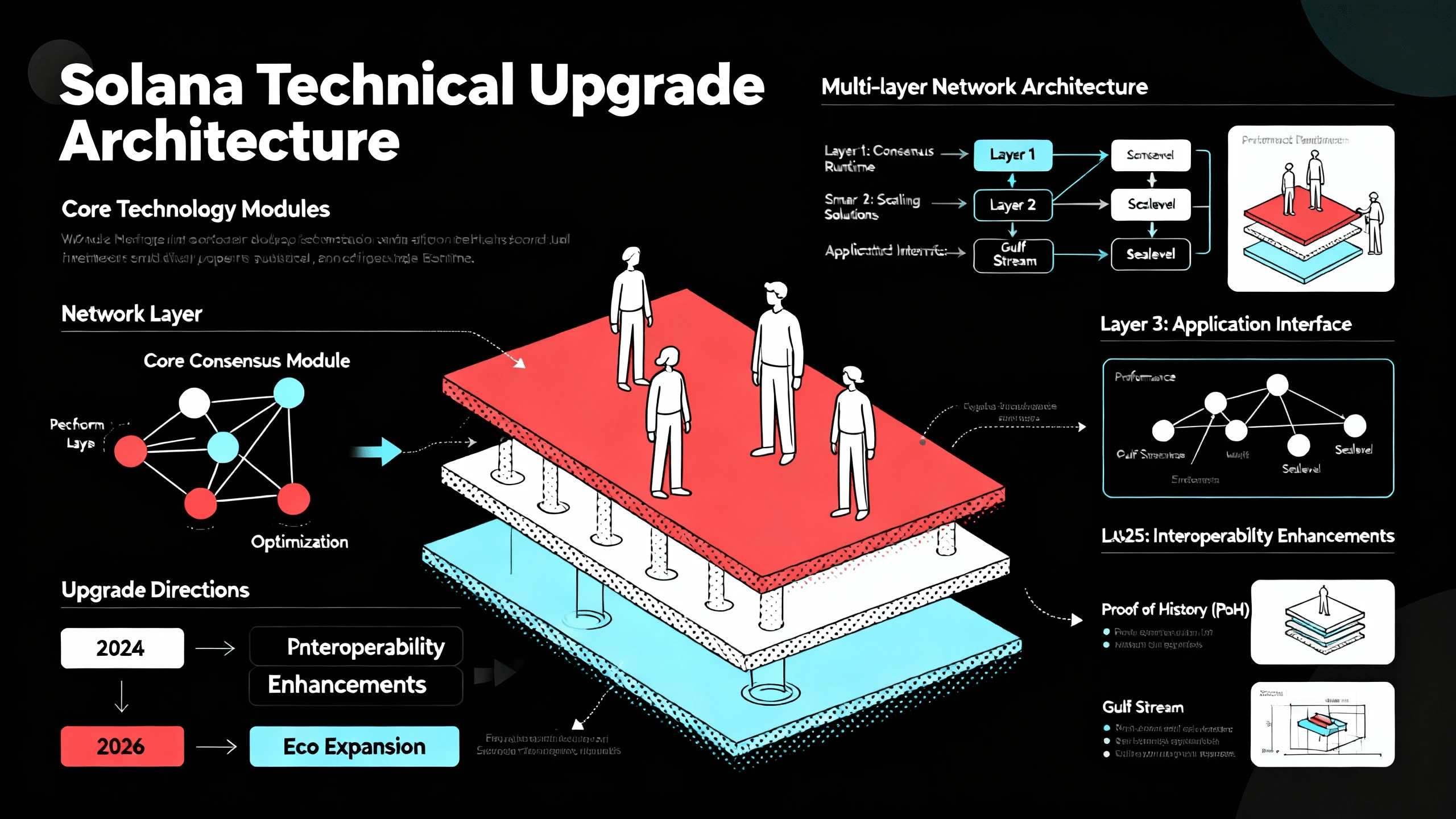
The first direction is the complete overhaul of the consensus mechanism. Alpenglow is the largest upgrade to the consensus mechanism since Solana's launch, compressing the final confirmation time from about 12 seconds to 150 milliseconds. What does this mean? It's the time it takes to blink. For users, this means on-chain operations are as fast as web browsing. This speed is already close to centralized exchange levels, with Binance around 100 milliseconds and Aptos around 200 milliseconds. The cleverness of this upgrade lies in moving the validators' voting off-chain, privately exchanging votes and publishing a single proof. This not only speeds things up but also clears space for ordinary users' transactions, reducing network fees.
The second direction is the breakthrough of performance limits. Firedancer is an independent C++ validator client, which sounds technical, but its significance is very practical: potential TPS exceeds 1 million. In comparison, Ethereum and its L2 solutions handle about 2000 TPS, while Sui's theoretical limit is 300,000 TPS. What does 1 million TPS mean? It could be close to the performance range of centralized exchanges (Coinbase's peak is about 500,000 TPS). The client diversity brought by Firedancer means stronger decentralization and system resilience, no longer relying on a single codebase, making it harder for the network to be brought down by a single point of failure.
The third direction is comprehensive innovation at the application layer. BAM (fair trading, anti-MEV) ensures transaction fairness, protecting users from arbitrage losses; ACE (multi-collateral liquidity) deepens the DeFi capital market, allowing Solana to compete with platforms like Aave; support for ZK (zero-knowledge proofs) and privacy provides a compliance foundation for institutional users and real-world assets (RWA) to enter.
The actual impact of these technological upgrades is not hard to foresee:
For ordinary users, a confirmation speed of 150 milliseconds means on-chain games, high-frequency DeFi, and micro-payments become usable. You no longer need to wait on-chain, nor do you need to worry about transaction failures.
For institutions, these upgrades mean better compliance, higher throughput, and lower costs. Solana has already proven its value in the stablecoin sector; Western Union's choice to build its stablecoin business on Solana is because it provides a fast, low-cost, and liquid USDC environment.
The consolidation of ecological position may be more critical. When new public chains like Sui, Aptos, and Sei may theoretically have stronger technical indicators, Solana has already established a large developer ecosystem and user base. It is fast enough, cheap enough, and continues to iterate. Developers still see Solana as their preferred high-performance option.
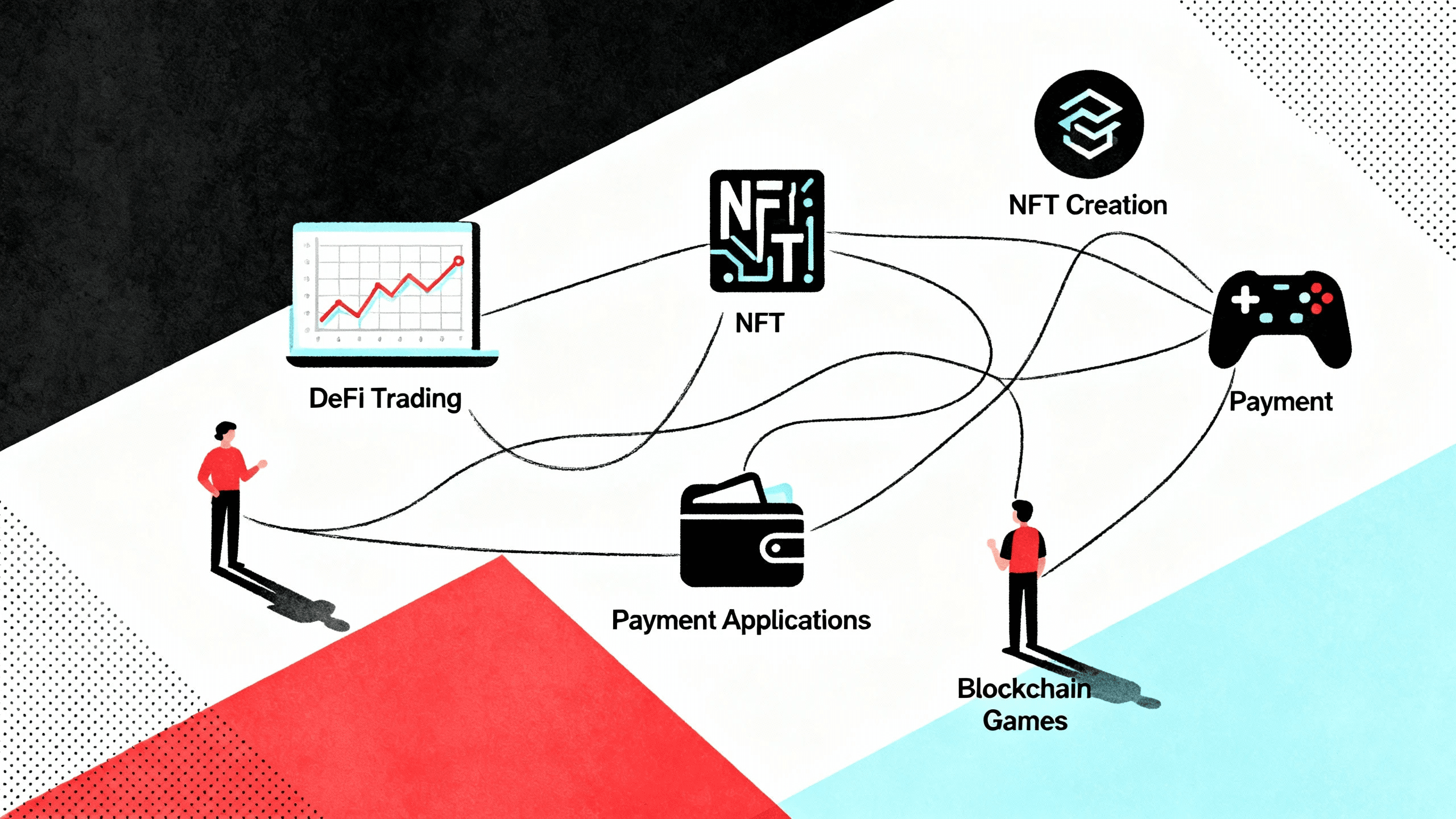
Back to the question posed at the beginning of the article: Was Solana's Q3 a failure or a success? The answer depends on the metric you use. If you look at popularity and short-term fluctuations, it does seem a bit lukewarm. But if you consider infrastructure and long-term competitiveness, the answer is completely different. The story of competition is no longer which chain is the busiest, but which chain performs the most consistently.
In this battle, Solana is quietly winning.
