
18 November S&P 500 Crypto and Fear index reach it's lowest level. 
Preliminary macroeconomic indicators show that the situation on the labor market is deteriorating. Number of people recieving unemployment benefits are growing 4 months in a row.

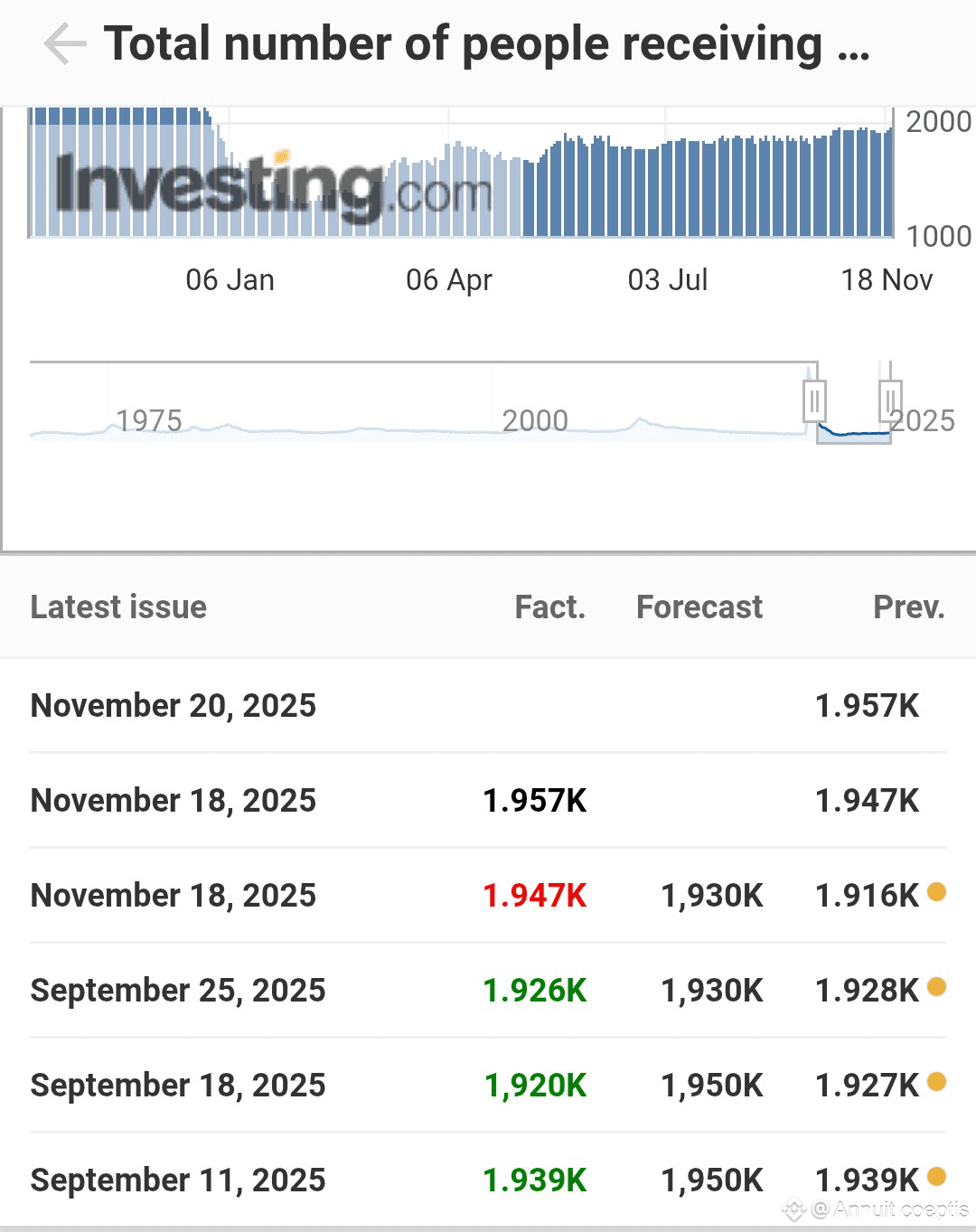
At the same time, the number of applications for unemployment benefits is growing.

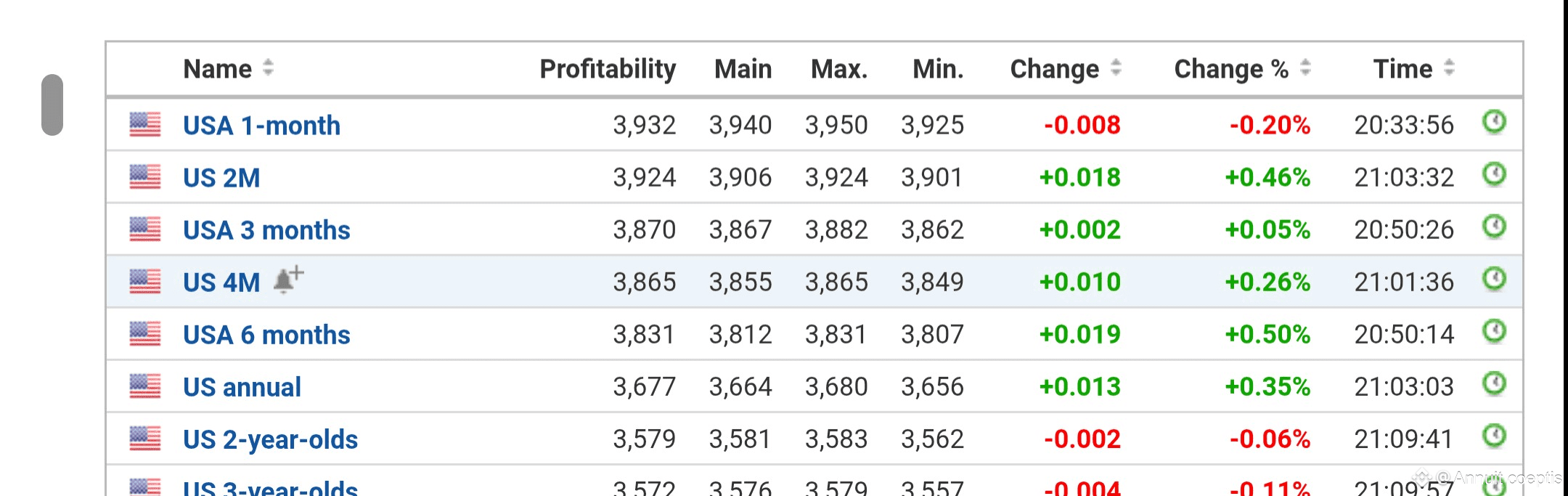
At the same time, we see an increase in the price of assets that investors "flee" to during bad times and economic instability. Typically, such assets are gold and bonds. Short-term bond yields increased.
Price of gold was showing all time high two months ago, meaning that people who buy know about this situation already.
Another thing that confirms a possible recession is credit crunch.
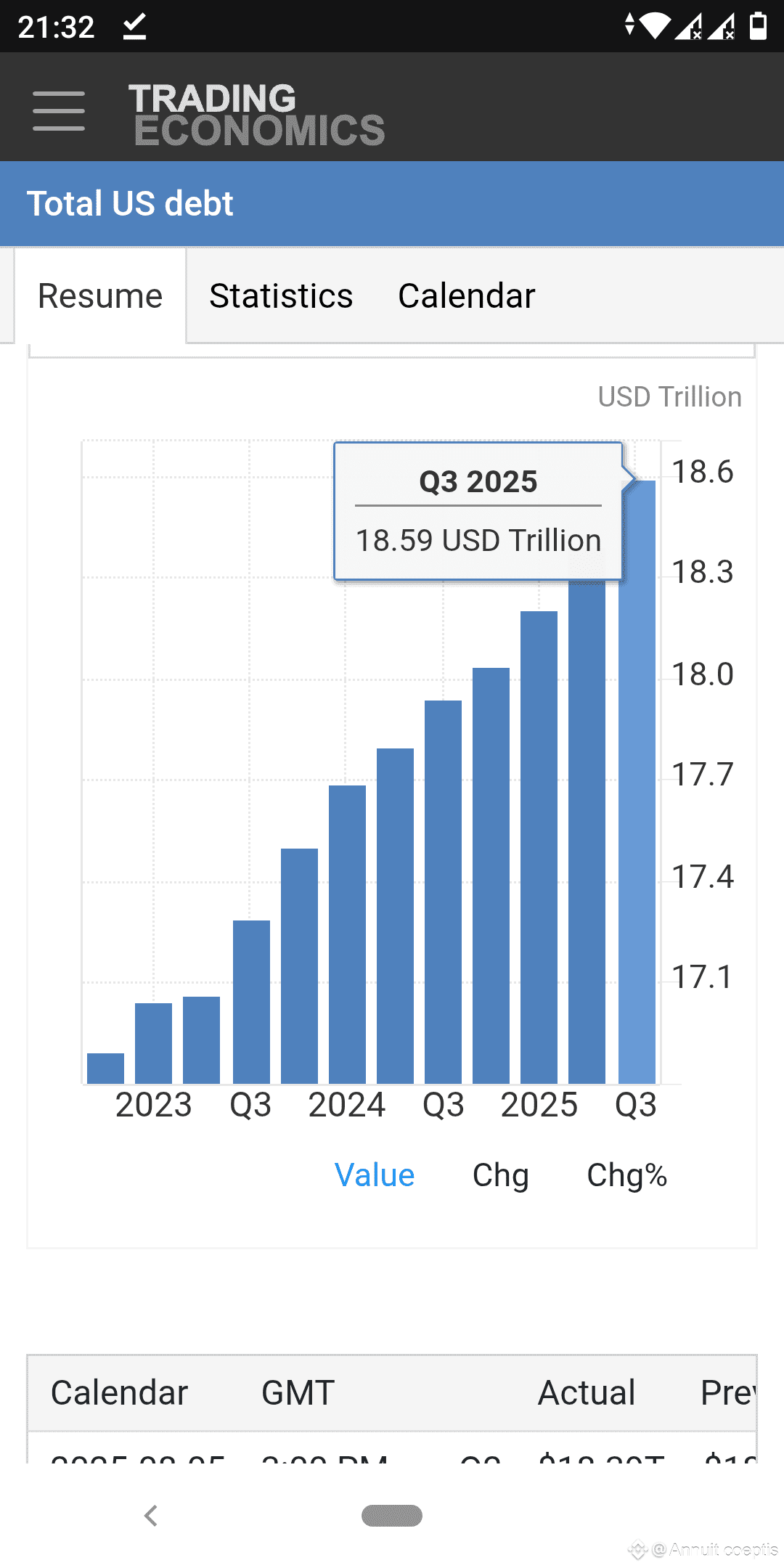
Americans are at a high level of indebtedness, as evidenced by record total household debt ($18.59 trillion in the third quarter of 2025) and rapidly growing credit card debt. The household debt-to-GDP ratio in the US in the first quarter of 2025 was 68.30%. High inflation and interest rates are contributing to this situation, and 202 million Americans hold credit cards.
Total household debt: reached a historic high of $18.59 trillion in the third quarter of 2025.
Debt to GDP: was 68.30% in the first quarter of 2025.
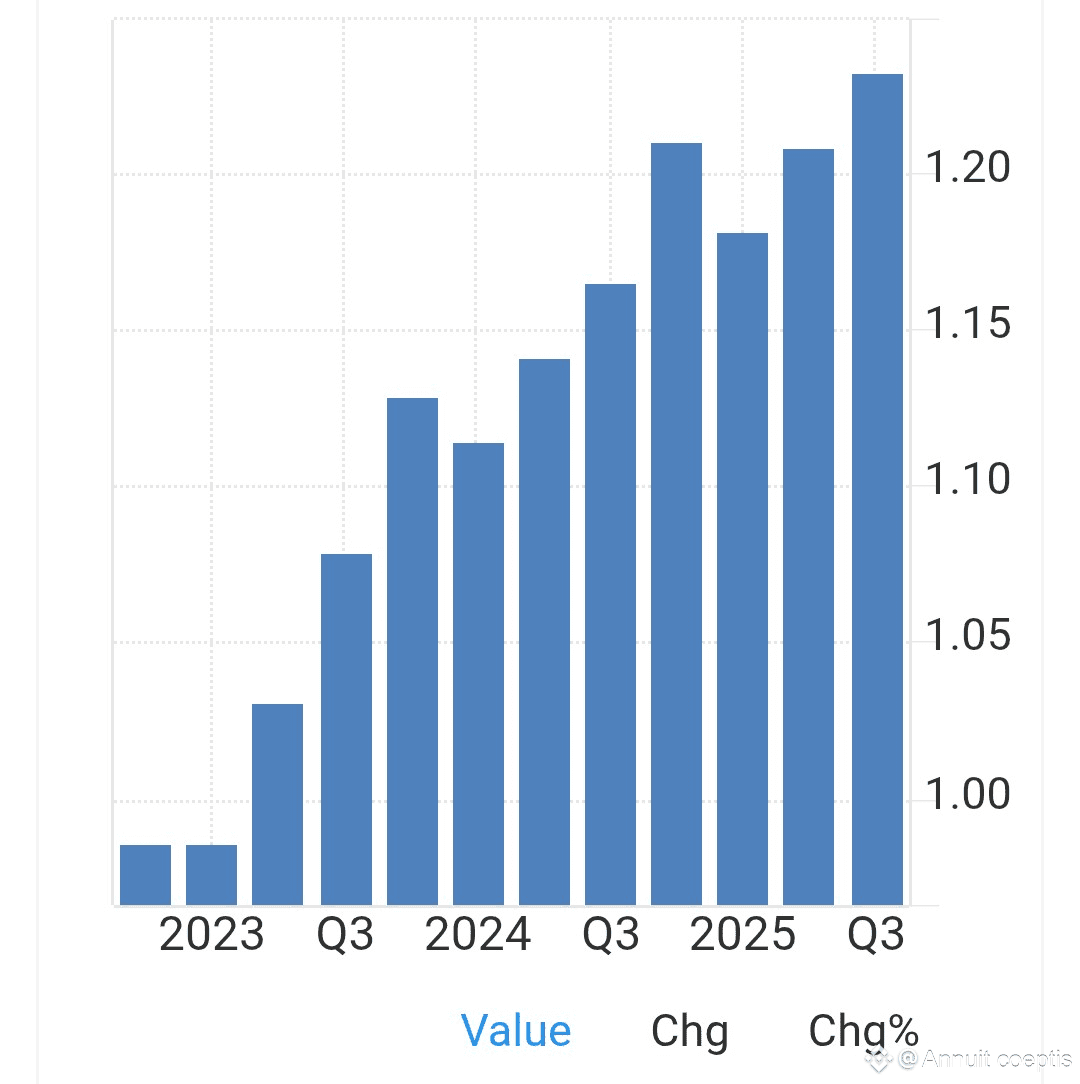
The U.S. credit card debt balance rose to $1.23 trillion in the third quarter of 2025 from $1.21 trillion in the second quarter of 2025. The credit card debt balance in the United States averaged $0.81 trillion from 2003 to 2025, reaching an all-time high of $1.23 trillion in the third quarter of 2025 and a record low of $0.66 trillion in the first quarter of 2014.
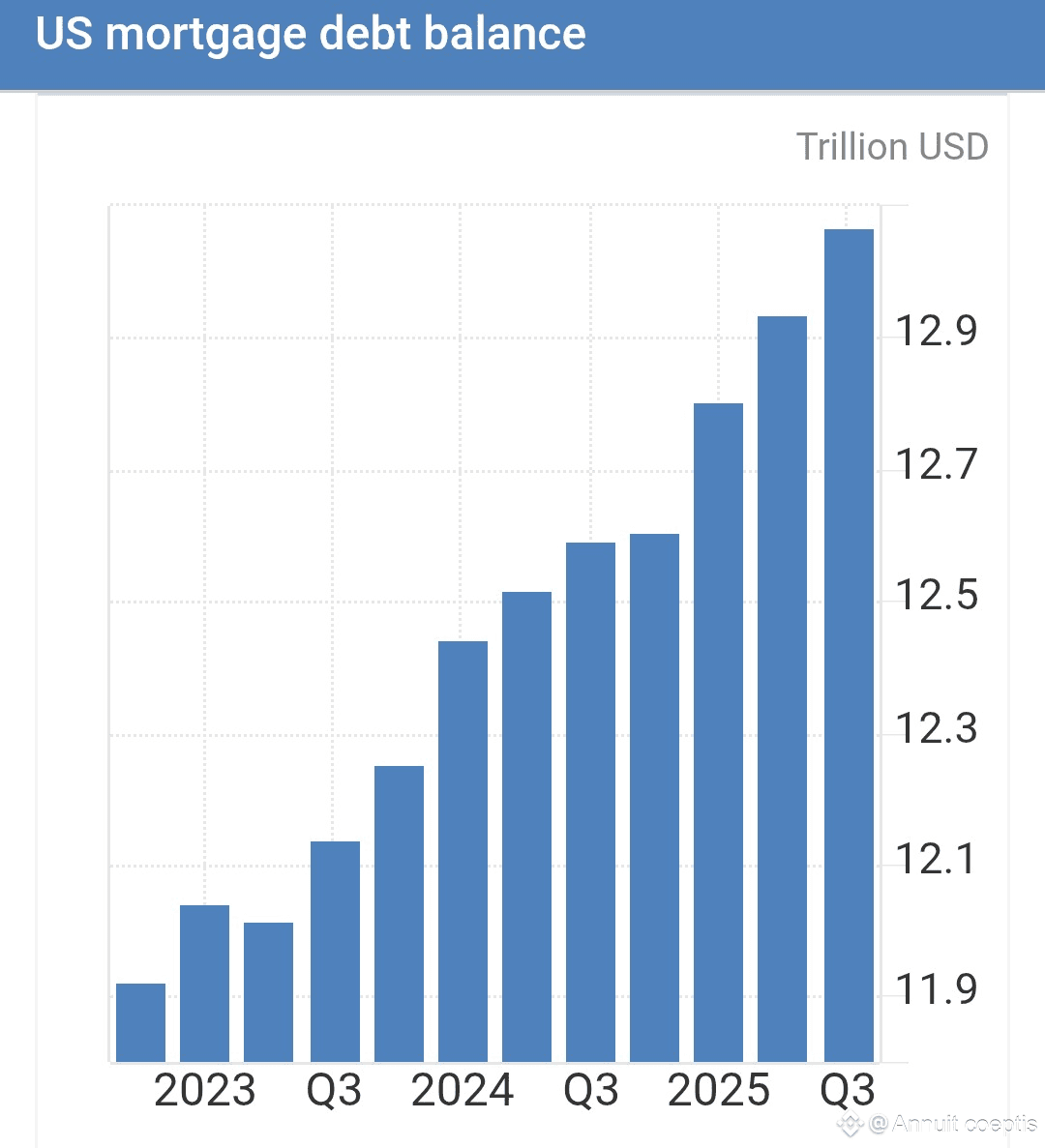
The balance of mortgage loans outstanding in the United States rose to $13.07 trillion in the third quarter of 2025 from $12.94 trillion in the second quarter of 2025. The balance of mortgage loans outstanding in the United States averaged $8.98 trillion from 2003 to 2025, reaching an all-time high of $13.07 trillion in the third quarter of 2025 and a record low of $4.94 trillion in the first quarter of 2003.
Total household debt in the United States increased by $197 billion from the previous quarter and reached a new record high of $18.59 trillion in the third quarter of 2025. Mortgage loan balances increased by $137 billion to $13.07 trillion, while credit card balances increased by $24 billion to $1.23 trillion. Home equity line of credit (HELOC) balances increased by $11 billion to $422 billion. Student loan balances increased by $15 billion to $1.65 trillion. Auto loan balances remained stable at $1.66 trillion. The pace of mortgage originations increased, with new loans totaling $512 billion in the third quarter. "Household debt balances are growing at a moderate pace, while delinquency rates are stabilizing," said Donghoon Lee, an economic research consultant at the New York Federal Reserve. "Relatively low mortgage delinquency rates reflect the resilience of the housing market, driven by substantial home equity and strict lending standards."
P.S. With all this data, now i understand why BlackRock is selling #BTC , why holders of all crypto sold at at loss, why Artur Haise and other investors selling, and why DXY are growing after two cutting of rate...
