
I have been trading cryptocurrencies for 10 years, and it was only 6 years ago that I explored a trading system that suited me, and it was only after guidance from experts that I gained insight! While I can't say I'm wealthy, I have achieved stable profits, at least I can steadily outperform the index.
I understood long ago that an excellent trading system can effectively help investors in their investments. I also understand that without a trading system, making investments aimlessly is destined to result in more losses than gains. However, summarizing a trading system is really quite difficult.
An excellent trading system is also counterintuitive; it requires you to overcome greed and fear, to be decisive, to avoid subjective assumptions, and to execute strictly.
As an emotionally driven investor in an emotionally charged market, it is very difficult to strictly adhere to your trading system. What is even harder is that an excellent trading system is not just theoretical knowledge; it is refined through countless trials and errors. It took 6 years just to polish this trading system.
Now, this trading system may just be a bit more mature than a semi-finished product, and I cannot say this system is definitely excellent; there are still many areas that need to be refined and perfected through more trial and error. The road ahead is long and winding; the market is changing, and trading systems must be dynamically adjusted to keep pace with the market.
Today, we will break down a core issue that traders are most concerned about: how to accurately judge the termination of a trend, and how to use this judgment to build high-probability trading strategies. Many people misjudge trend reversals, clearly trading with the trend but being stopped out. After reading this article, you will master a set of practical standards for judging trend termination, avoiding pullback traps and seizing real reversal opportunities.
I believe many traders have encountered this situation: in an uptrend, the price experiences a drop, forming a 'lower high, lower low' short-term structure, mistakenly believing that the trend has reversed, rushing to short, only to see the price quickly rebound to a new high, resulting in being stopped out.
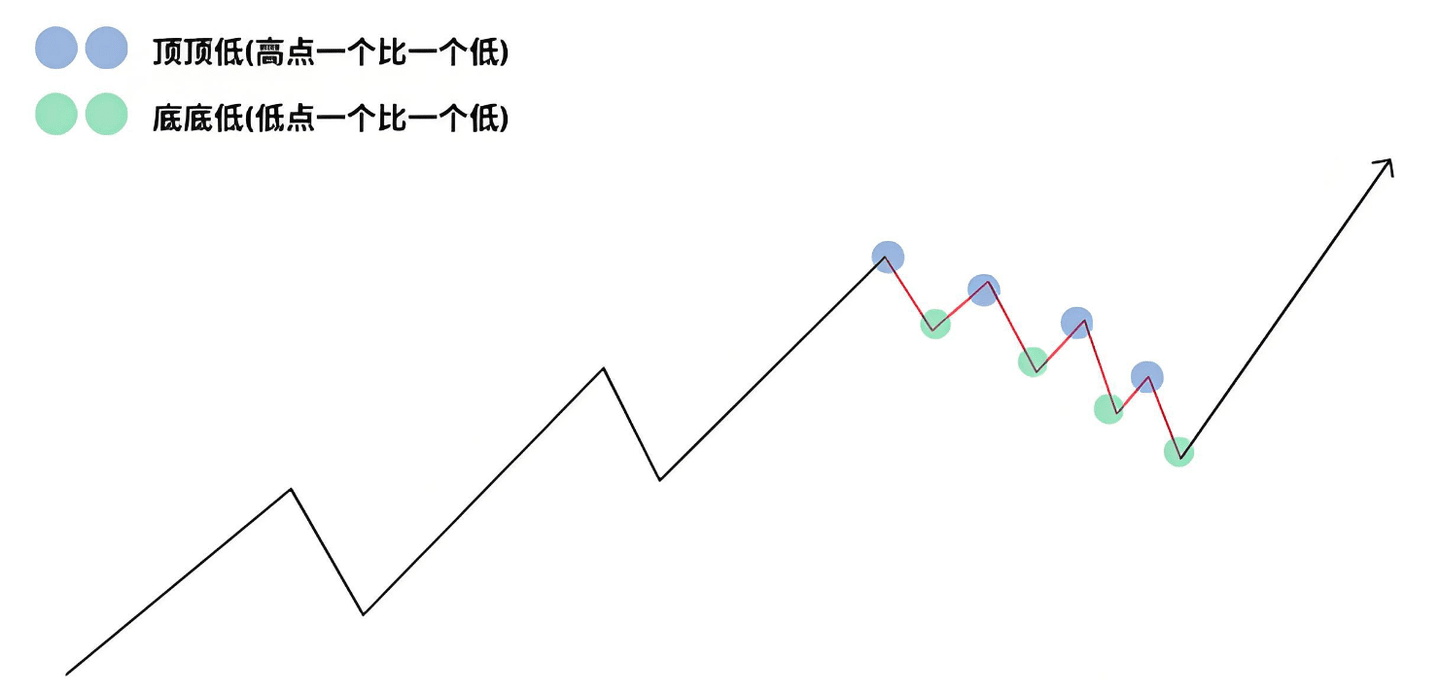
Market trends are never textbook-style 'higher highs, higher lows' or 'lower highs, lower lows'; pullbacks in an uptrend may form short-term downward structures, and rebounds in a downtrend may appear as short-term upward structures. To accurately judge whether a trend has truly ended, the key is to grasp a core principle—this is also the high-probability secret I have summarized from years of practical experience. It must be remembered:
The termination of an uptrend = the price breaks below the 'initial low point of the new high' with a real bearish candle.
The termination of a downtrend = the price breaks above the 'initial high point of the new low' with a real bullish candle.
Core logic breakdown: how to accurately identify the 'key point for trend termination'?
To judge whether a trend has terminated, the key is not to look at short-term structures, but to find the 'key anchor point for trend continuation'—the starting point that drives the trend to break through previous highs/lows. This point is the 'lifeline' of the trend.
1. Uptrend.
Identify the 'initial low point of the new high'.
In an uptrend, the core of trend continuation is to 'continuously create new highs', and each new high originates from a key low point (the 'initial low point of the new high').
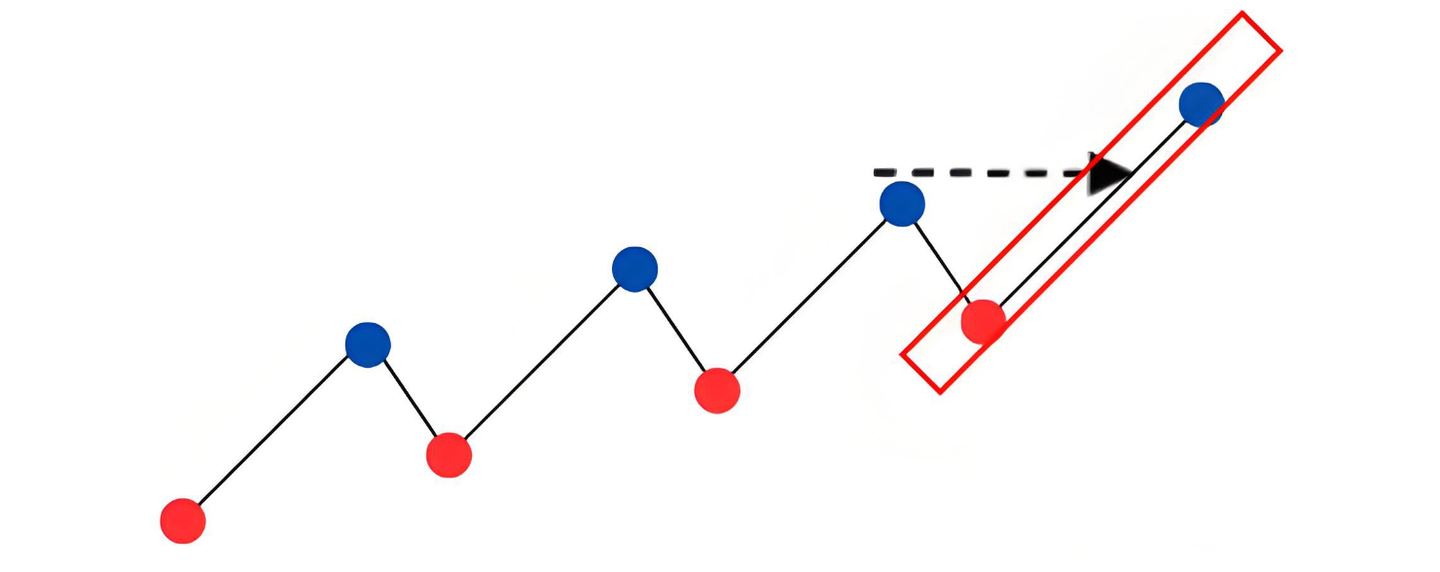
This low point is the starting point for the price to begin its rise, breaking through the previous high point. It is the 'foundation' of the uptrend;
As long as the price does not break below this low point, even if a short-term pullback occurs, forming a 'lower high' structure, the uptrend still holds;
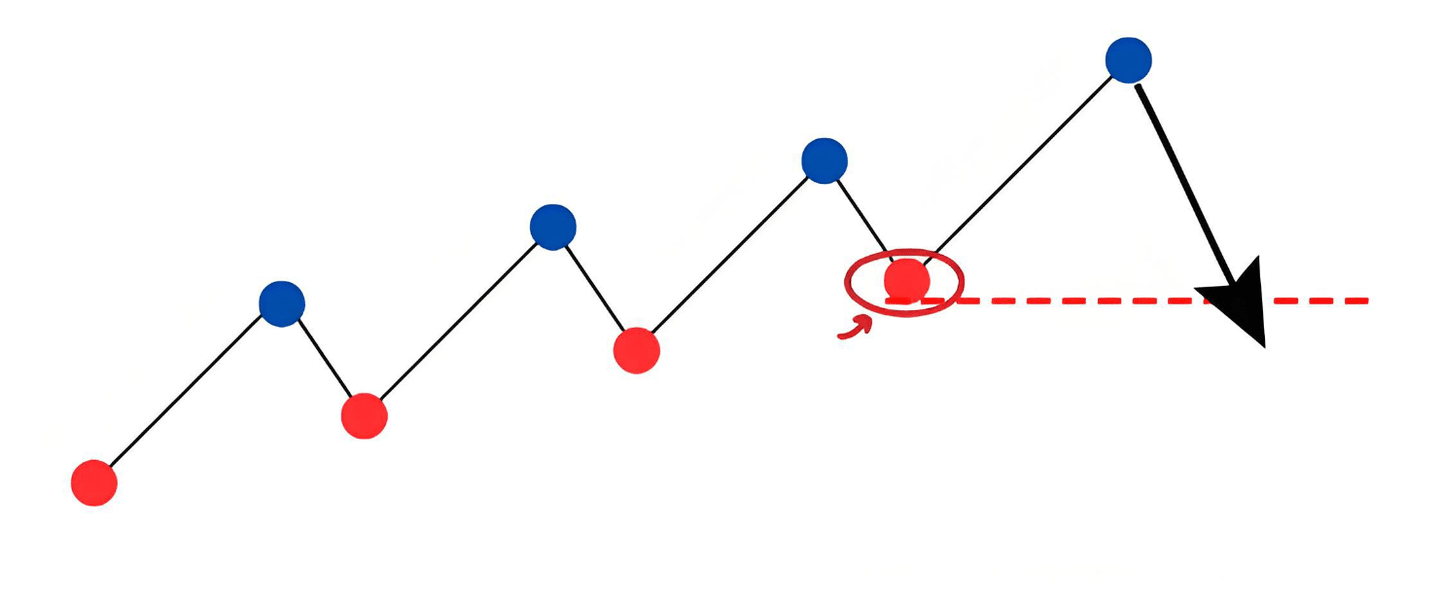
Only when the price breaks below this key low with a real bearish candle (closing price below the low) does it indicate that the uptrend is likely to be terminated【Figure 6】.
Practical case verification:
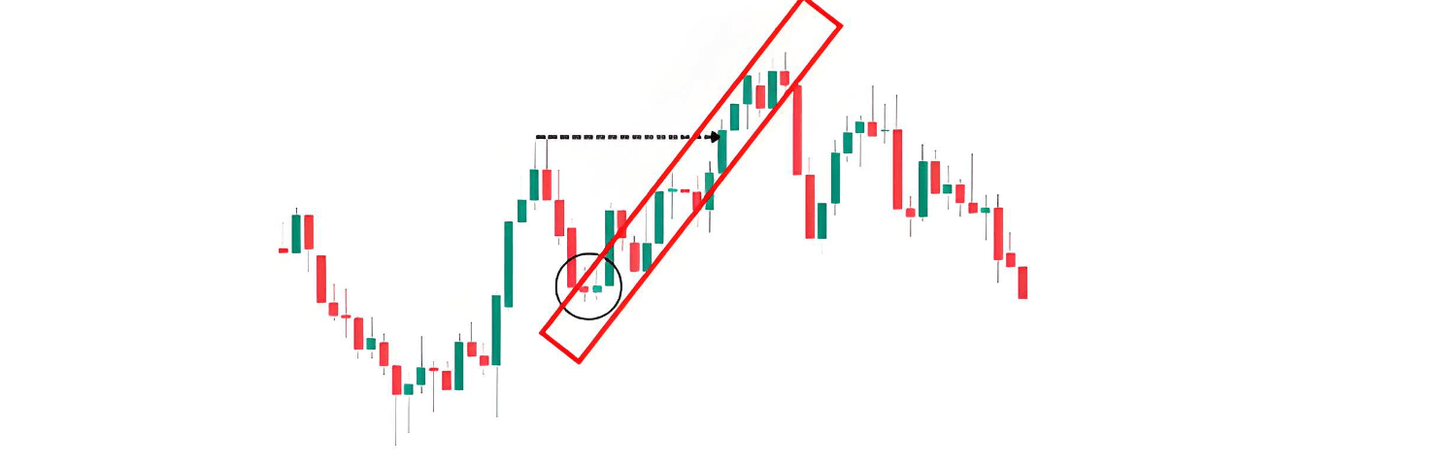
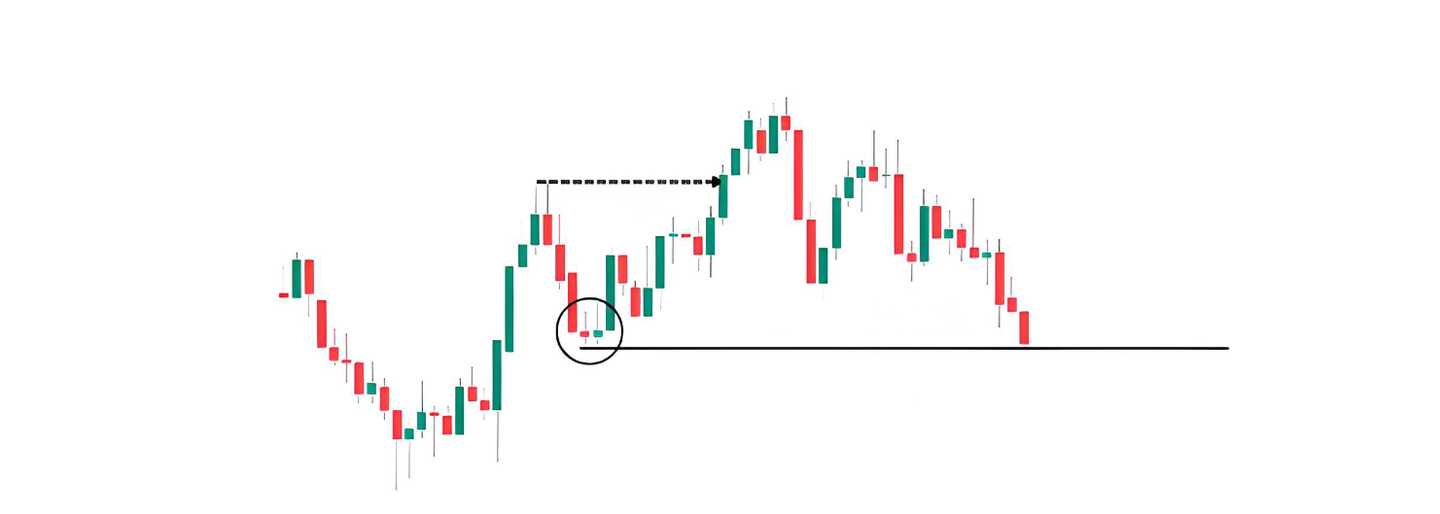
The overall price trend is upward, during which there was a pullback that broke below a certain low point, but this low point is not the 'initial low point of the new high'—the true key low point is the starting point that later drives the price to break above the previous high. As long as the price runs above this key low point, the uptrend is not terminated; the pullback is just a normal fluctuation within the trend.
Let’s look at a counterexample:
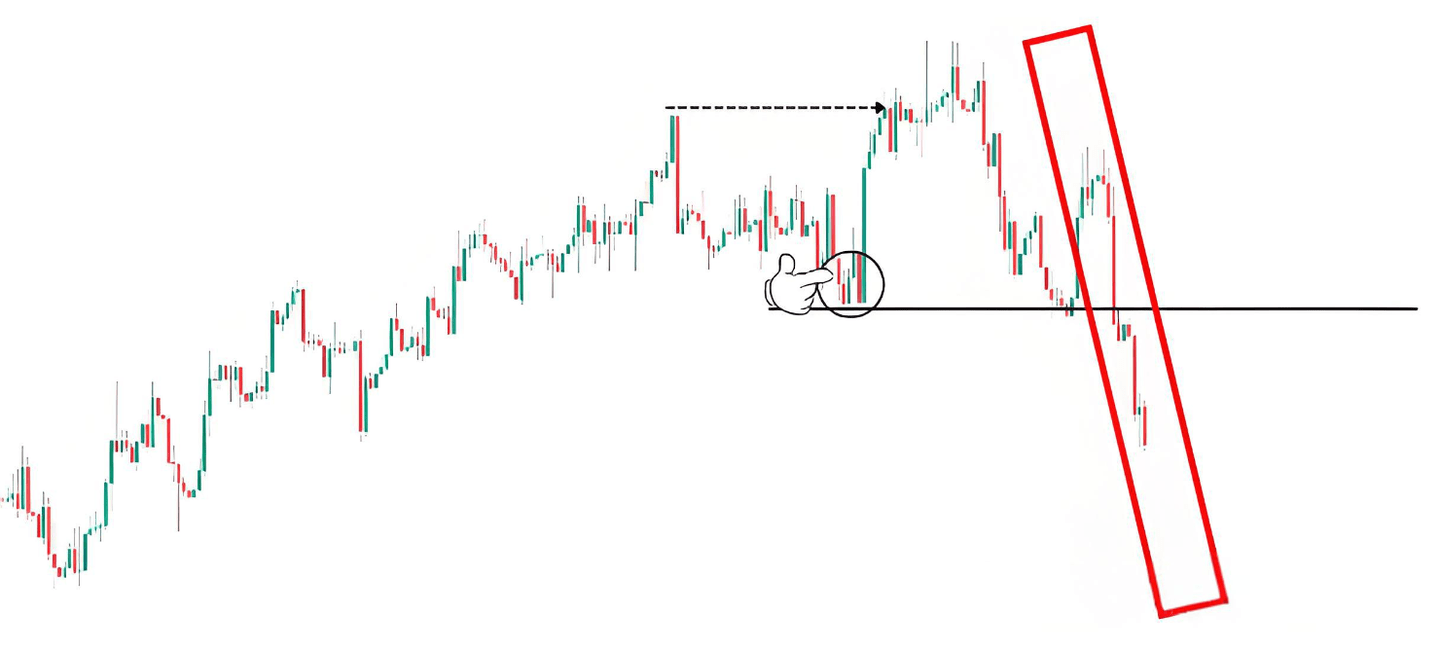
When the price breaks above the previous high point, if the subsequent pullback breaks below the 'initial low point of the new high' with a real bearish candle, the foundation of the uptrend is destroyed, and the probability of trend termination is extremely high. This is the true reversal signal.
2. Downtrend.
Identify the 'initial high point of the new low'.
The logic for judging a downtrend is completely opposite to that of an uptrend:
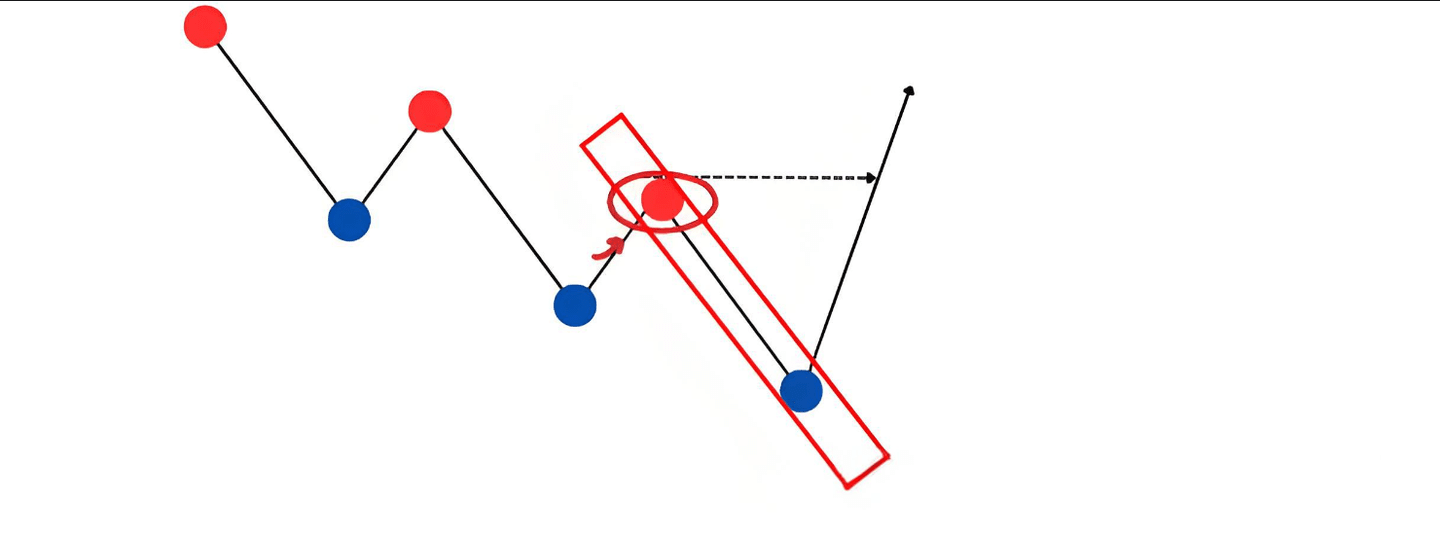
In a downtrend, the core of trend continuation is to 'continue to create new lows'. Each new low originates from a key high point (the 'initial high point of the new low');
This high point is the starting point for the price to begin its decline, breaking through the previous low point. It is the 'lifeline' of the downtrend;
As long as the price has not broken through this high point, even if a short-term rebound occurs, forming a 'higher high' structure, the downtrend still holds;
Only when the price breaks above this key high with a real bullish candle (closing price above the high) does it indicate that the downtrend is likely to be terminated.
Practical case verification:
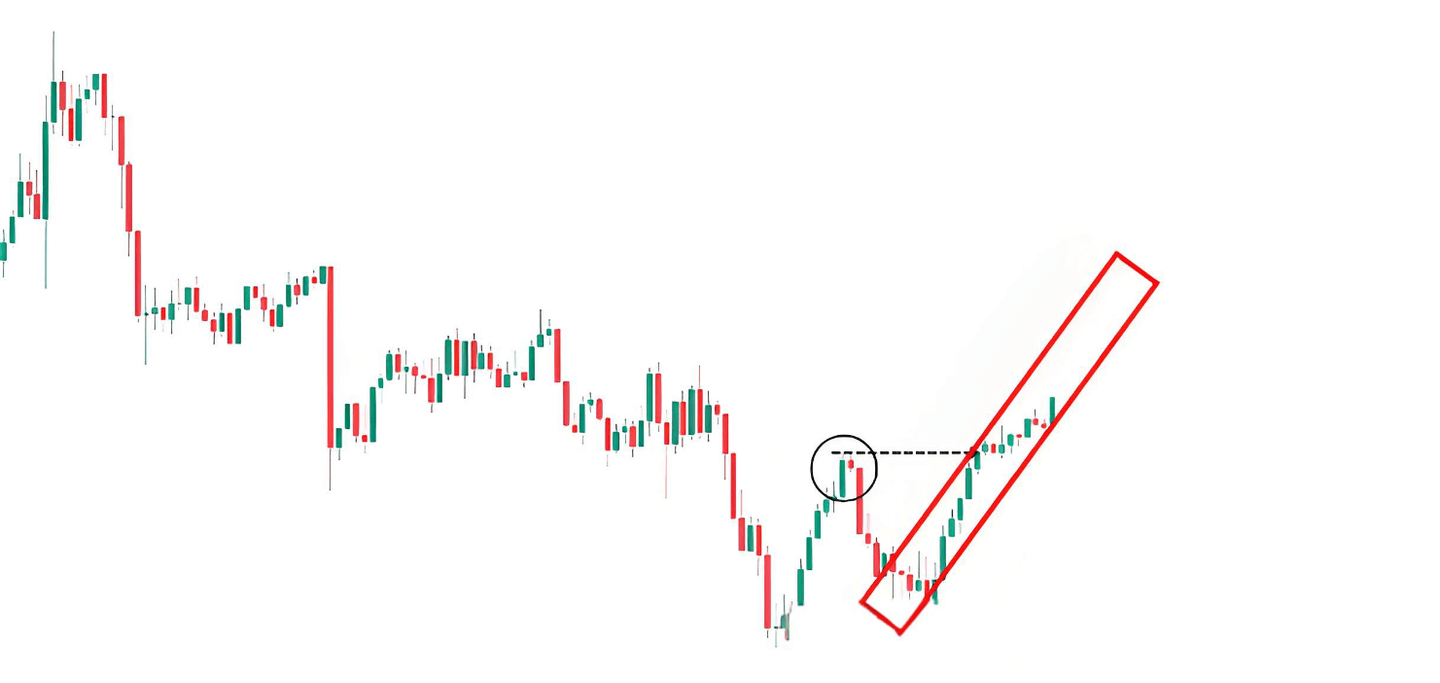
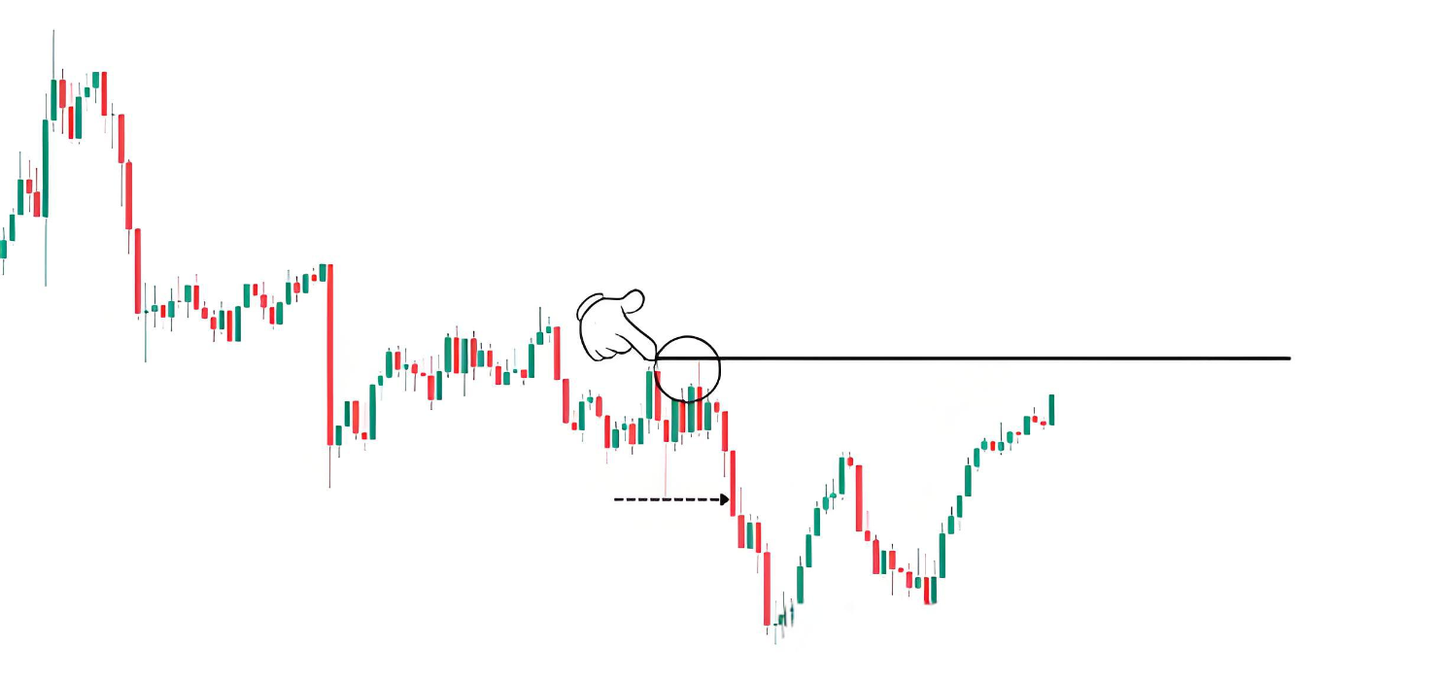
The overall price trend is downward, during which there was a rebound that broke a certain high point, but this high point is not the 'initial high point of the new low'—the true key high point is the starting point that later drives the price to break below the previous low. As long as the price runs below this key high point, the downtrend is not terminated, and the rebound is just a normal fluctuation within the trend.
Another positive example: the price breaks above the 'initial high point of the new low' and closes with a real bullish candle, forming a 'higher high' upward structure. At this time, the lifeline of the downtrend is broken, confirming a trend reversal, and long opportunities can be sought.
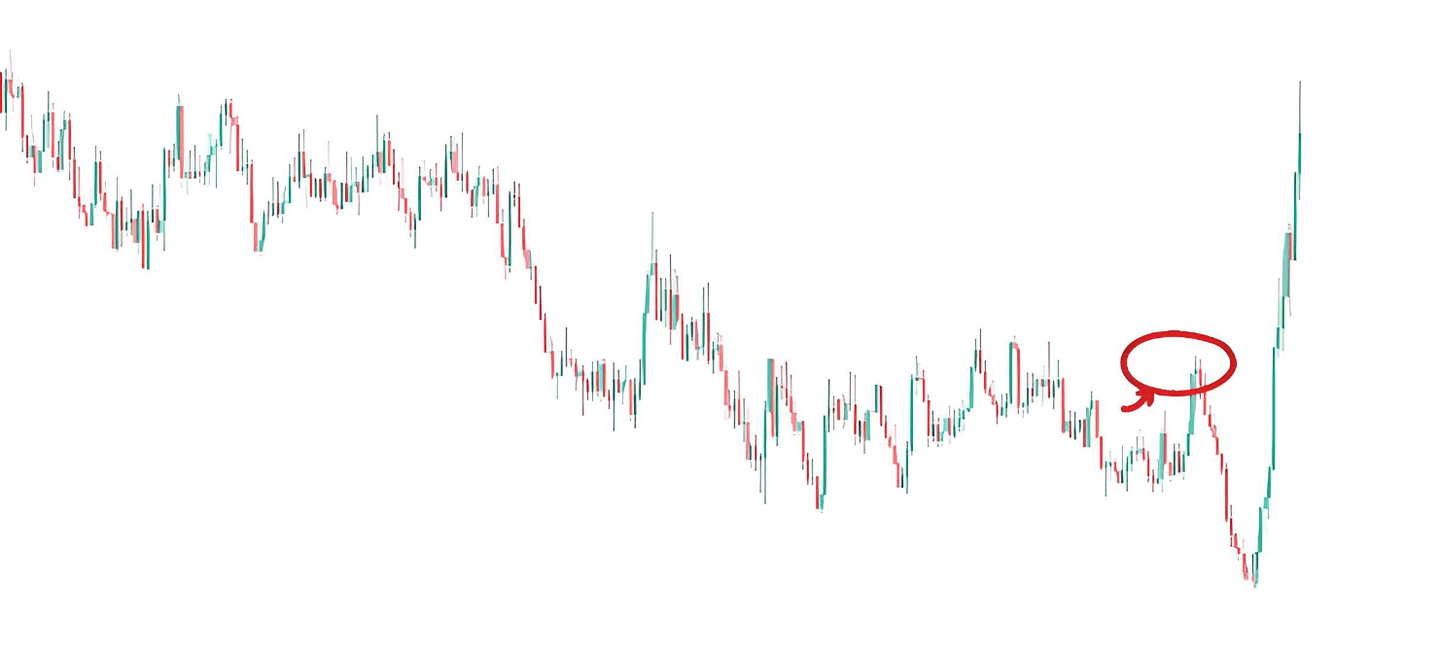
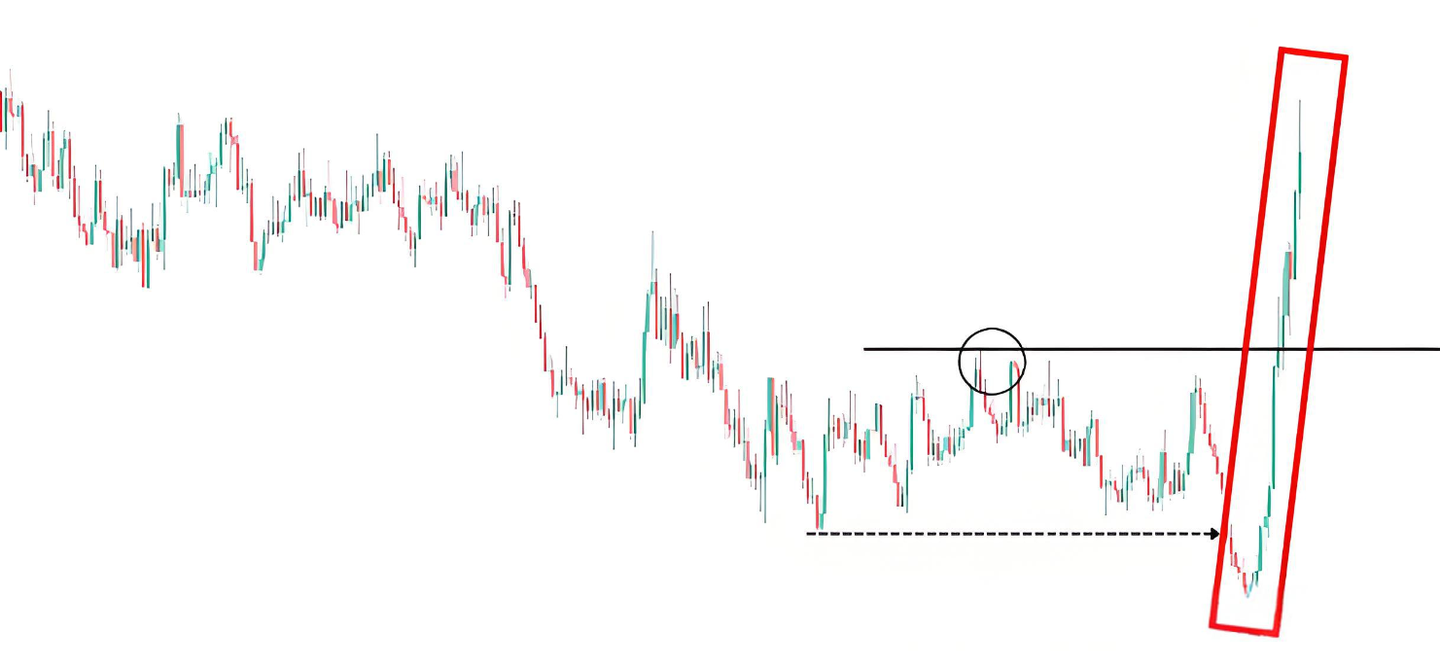
Practical implementation of determining trend termination to build high-probability trading strategies.
Having mastered the judgment criteria for trend termination, we can integrate it into the trading process to form a complete strategy of 'Determine Trend → Identify Key Levels → Wait for Signals → Manage Risks'. Below are two practical case studies to break it down:
Case 1: Going short in a downtrend.
Seize trend continuation and avoid pullback traps.
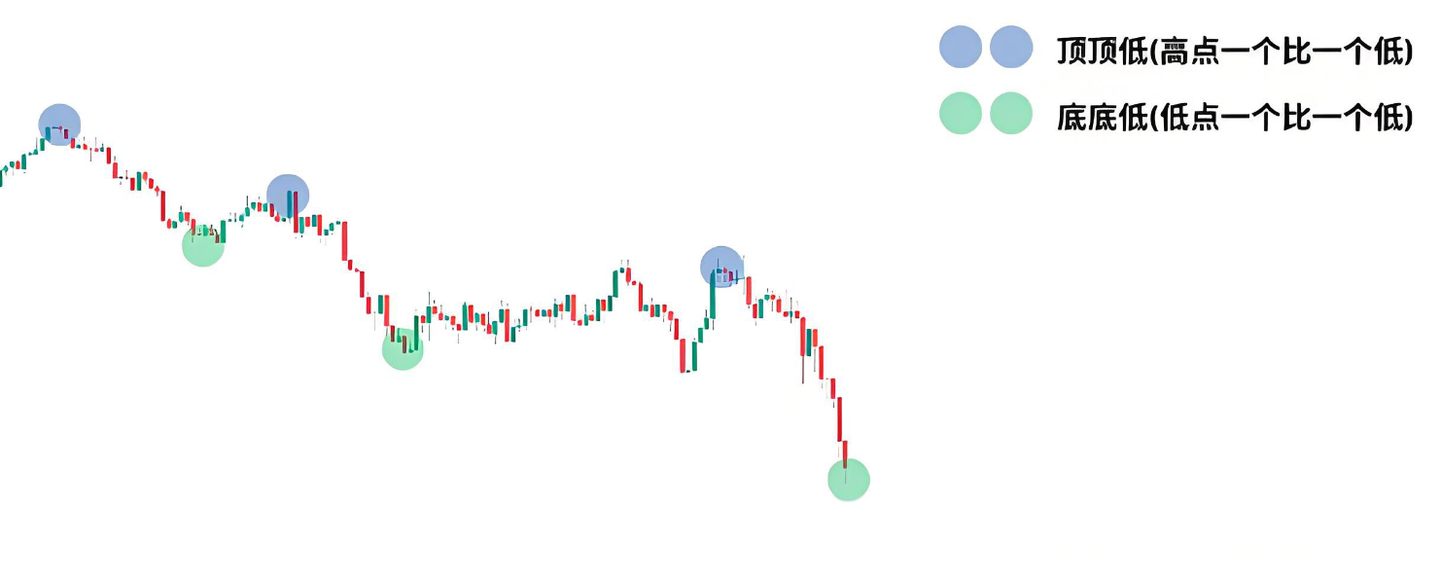
Determine the trend: the price forms a downtrend of 'lower highs, lower lows', first finding the 'initial high point of the new low' (the lifeline of the downtrend);
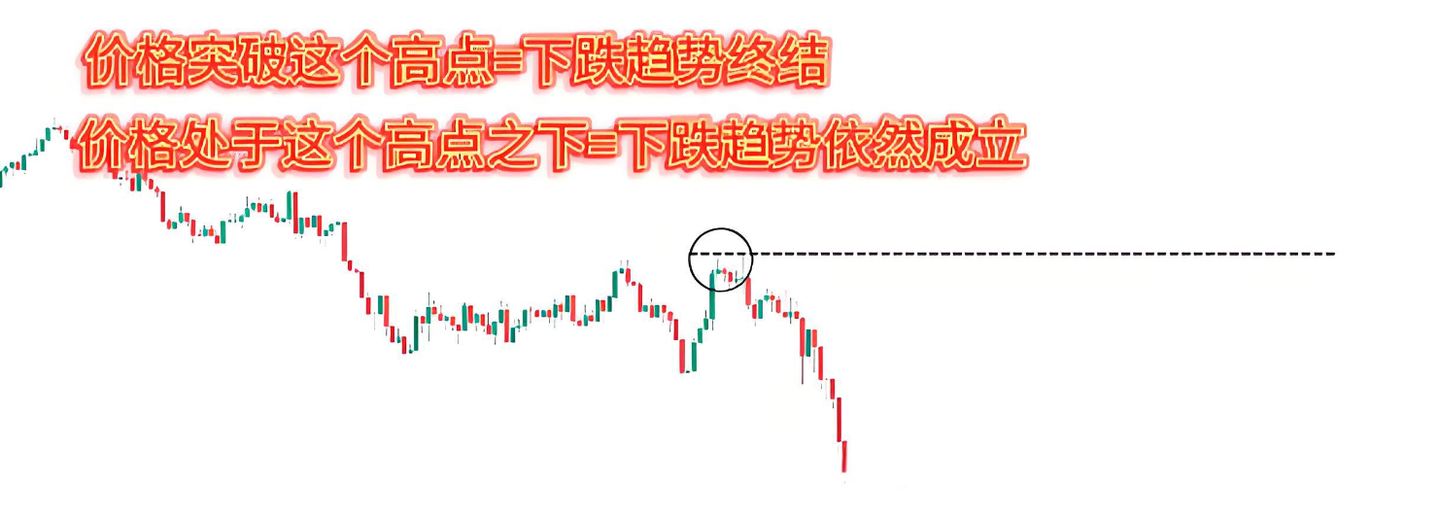
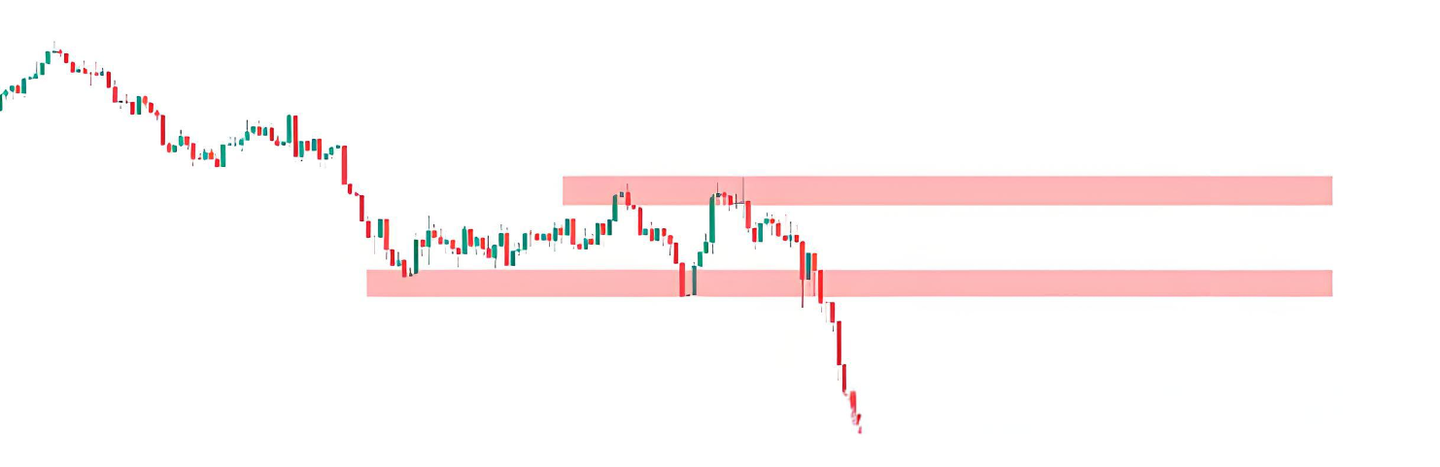
Identify key levels: below key high points, identify two core resistance levels (previous rebound high points). These are the high-probability resistance points for price rebounds in a downtrend;
Wait for signals: the price retraces to the resistance level below, forming a 'bearish engulfing' candlestick pattern (the bearish candle completely covers the previous bullish candle), confirming bearish momentum;
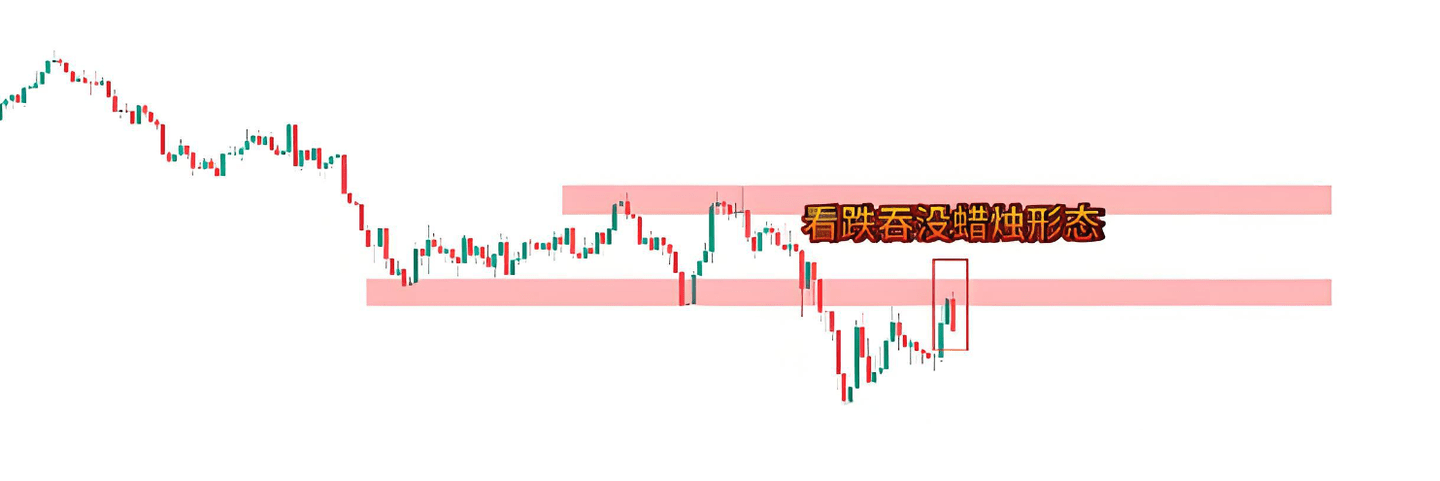
Entry and risk control: enter short after a complete close of a large bearish candle, set the stop-loss at 'key high + above resistance level', and add 1 ATR value (to avoid false breakouts that trigger losses).
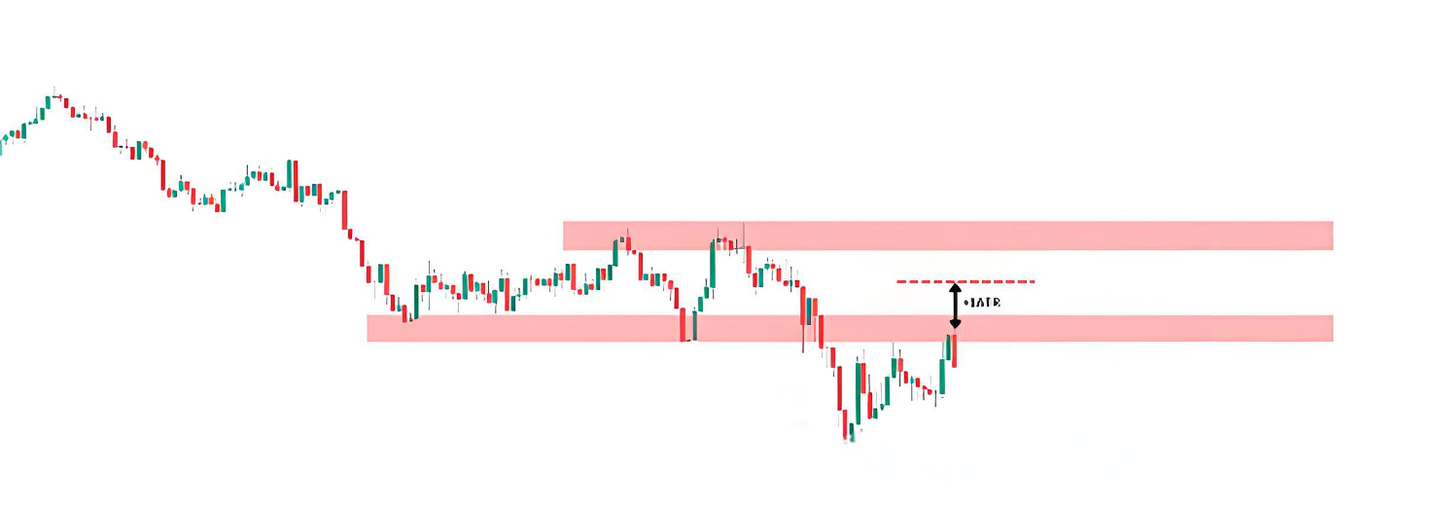
Take profit set at a 3:1 risk-reward ratio, ultimately achieving successful take profit.
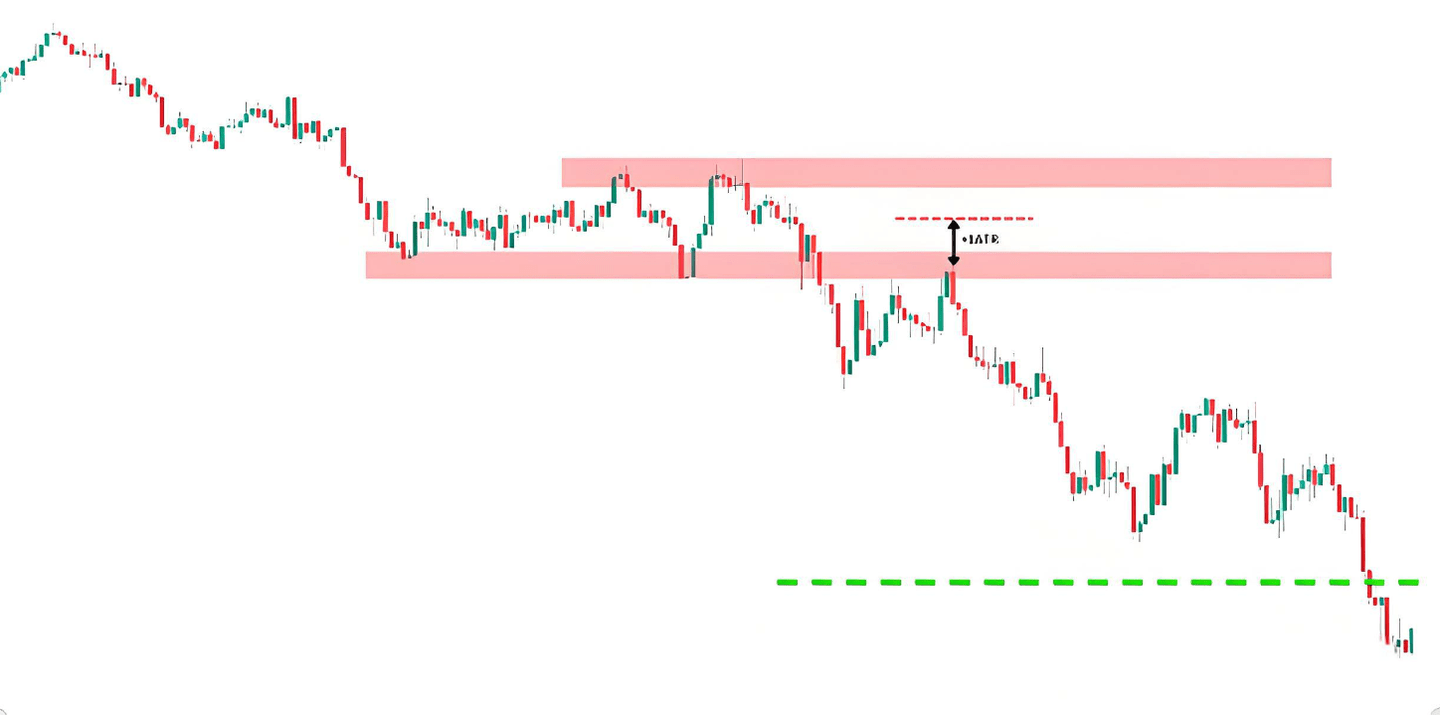
Core logic: as long as the price has not broken above the 'initial high point of the new low', the downtrend is valid. A rebound to the resistance level is a high-probability shorting opportunity, avoiding blind bottom-fishing when the trend has not ended.
Case 2: Going long in an uptrend.
Seize pullback opportunities and avoid trend reversal traps.
Determine the trend: the price forms an uptrend of 'higher highs, higher lows', accurately identifying the 'initial low point of the new high' (the lifeline of the uptrend).
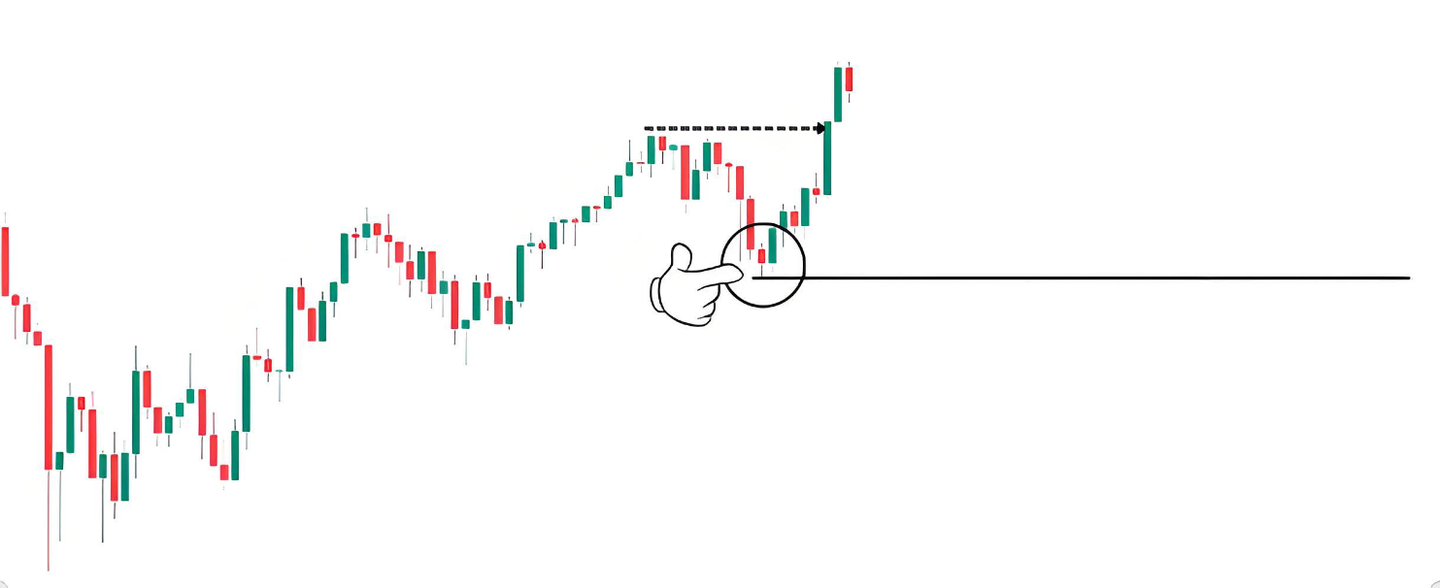
Identify key levels: above key low points, identify two core support levels (previous pullback low points). These are the high-probability stabilization points for price pullbacks in an uptrend;
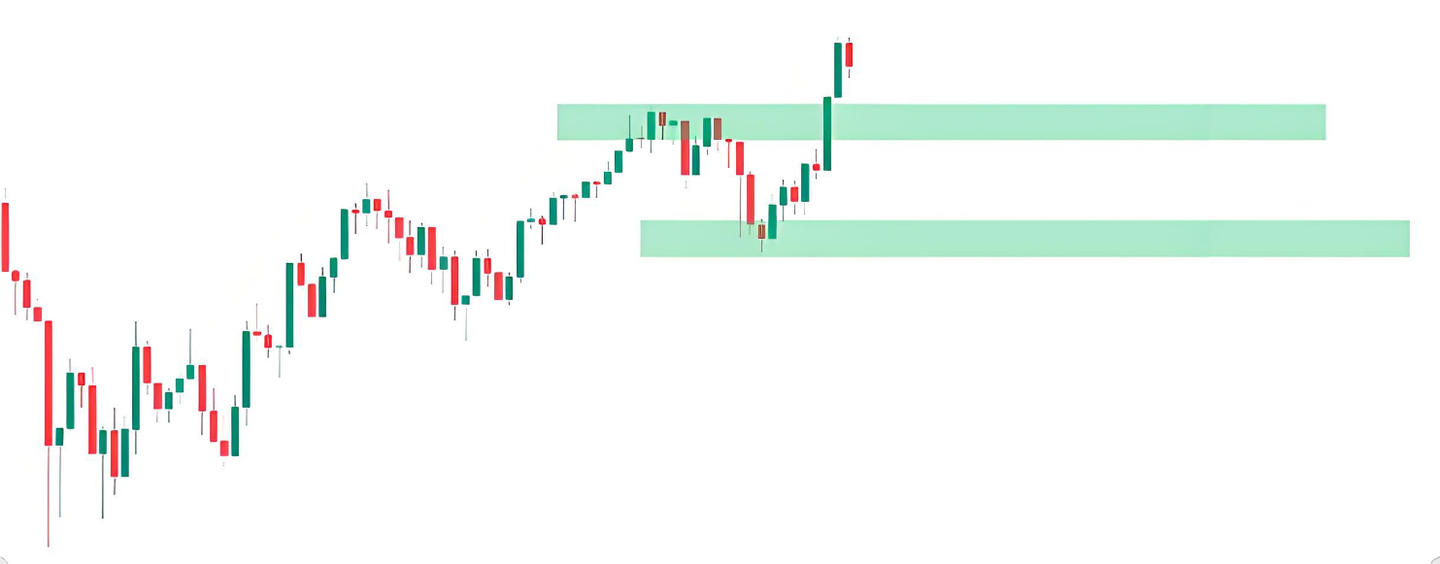
Wait for signals: the price retraces to the upper support level, first showing a 'long lower shadow candlestick' (indicating bullish intervention, price probing the bottom and rebounding), and then forming a 'bullish engulfing' candlestick pattern (the bullish candle completely covers the previous bearish candle), confirming upward momentum;
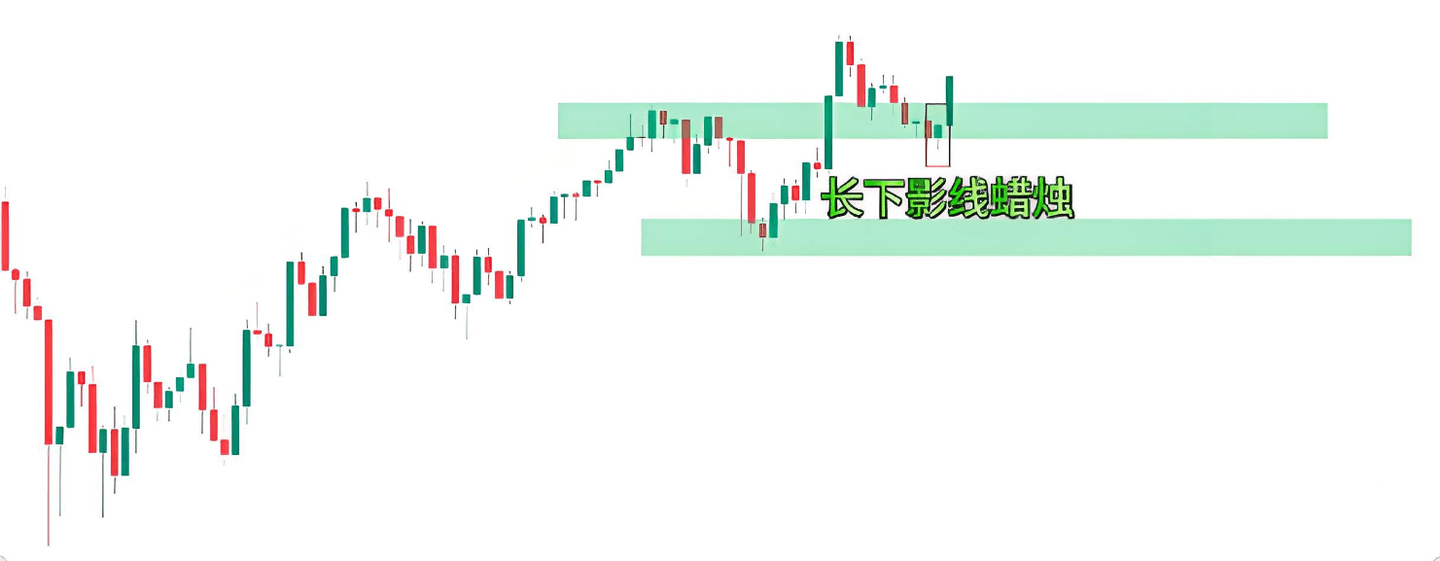
Entry and risk control: enter long after the complete close of a large bullish candle, set the stop-loss at 'key low + below support level', adding 1 ATR value (to avoid false breakdowns that trigger losses); take profit set at a 3:1 risk-reward ratio, ultimately achieving successful take profit.
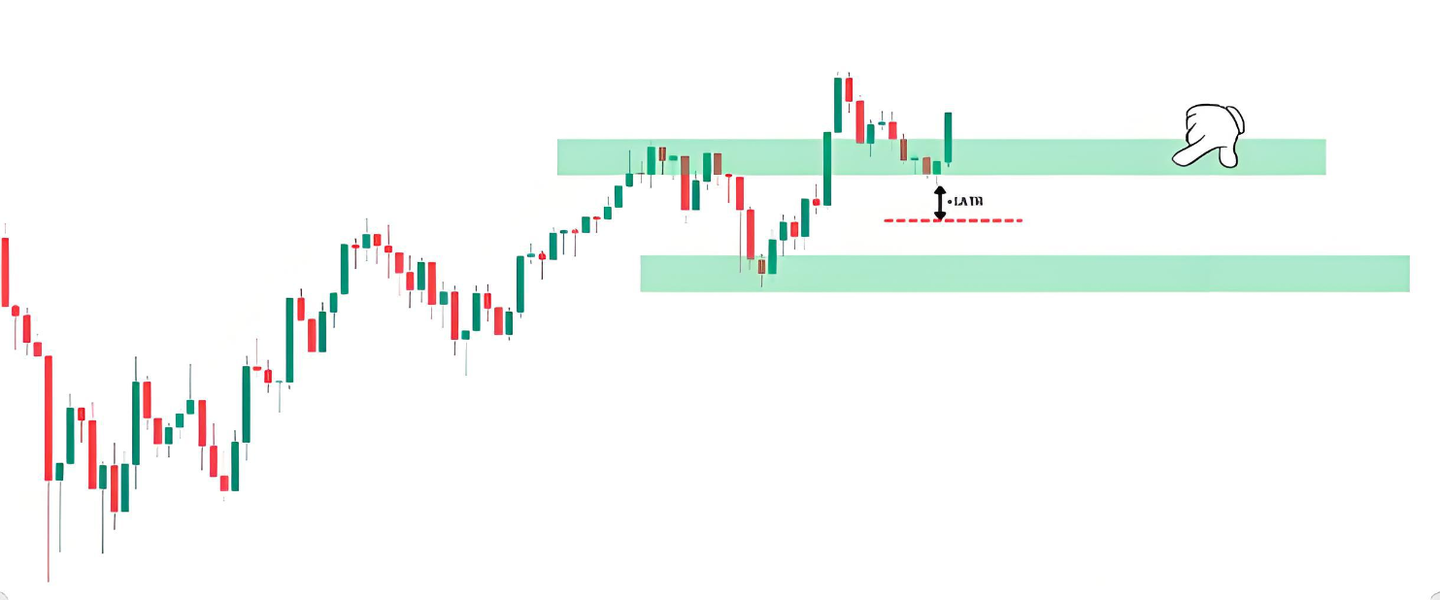
Core logic: as long as the price has not dropped below the 'initial low point of the new high', the uptrend holds. A pullback to the support level is a high-probability long opportunity, avoiding mistakenly treating pullbacks as reversals and shorting.
Key trading discipline makes trend judgment more accurate and profits more stable.
Strictly confirm 'real breakthroughs': when judging trend termination, it must be a 'real candlestick' that breaks above/below key levels (closing price is outside the key level). A shadow break is not considered an effective signal, to avoid being misled by short-term fluctuations;
Key points should not be used in isolation: the key points for trend termination must be verified in conjunction with candlestick patterns (such as engulfing, long shadows) and support/resistance levels to improve signal certainty;
ATR indicators must be used: when setting stop-losses, add ATR values and adjust the stop-loss range based on current price volatility to avoid triggering losses from false breakouts while reasonably controlling risk.
Do not trade against the trend when the trend has not ended: as long as the price is above the key point (uptrend) or below (downtrend), stick to trend-following trades and avoid being tempted by short-term counter-structures, steering clear of pullback traps;
Make a complete plan: clearly define the trend direction, key levels, entry signals, and stop-loss/take-profit positions before entering the market, and strictly execute during trading, avoiding adjustments based on feelings, and maintaining trading discipline.
The core of trading is 'to trade with the trend', and the premise of trading with the trend is to 'accurately judge whether the trend is really continuing'. Mastering the method of 'finding the lifeline of the trend' will help you avoid 80% of false reversal signals, accurately identify entry points during trend continuations, and exit or reverse operations in a timely manner when the trend terminates.

Remember: pullbacks and rebounds in the market are normal. Only when the trend's 'lifeline' is broken is it a true reversal signal. Implementing this set of judgment standards and trading strategies will significantly improve your trading win rate and profit stability—trading is not about guessing ups and downs, but about using rules and logic to seize high-probability opportunities.
This is the trading experience that Yan An shared with everyone today. Many times, you lose many profitable opportunities due to your doubts. If you do not dare to try boldly, to engage, to understand, how can you know the pros and cons? You must take the first step to know how to proceed next. A cup of warm tea and a piece of advice: I am both a teacher and a friendly conversationalist.
Fate brings us together, but understanding separates us. I firmly believe that a destined meeting can happen across a thousand miles, and a fleeting encounter is a matter of fate. The journey of investment is long, and the gains and losses at one moment are just the tip of the iceberg along the way. One must know that even the wisest can make mistakes, and even those who are less knowledgeable might have gains. Regardless of emotions, time will not stop for you. Set aside your worries, stand up again, and prepare to move forward.
The martial arts secrets have been given to you; whether you can achieve fame in the world depends on yourself.
These methods must be saved by everyone. If you find them useful, feel free to share them with more people around you who trade cryptocurrencies. Follow me for more valuable insights in the crypto space. Having weathered the rain, I am willing to shield the inexperienced! Follow me, and let’s walk together on the path of cryptocurrency!