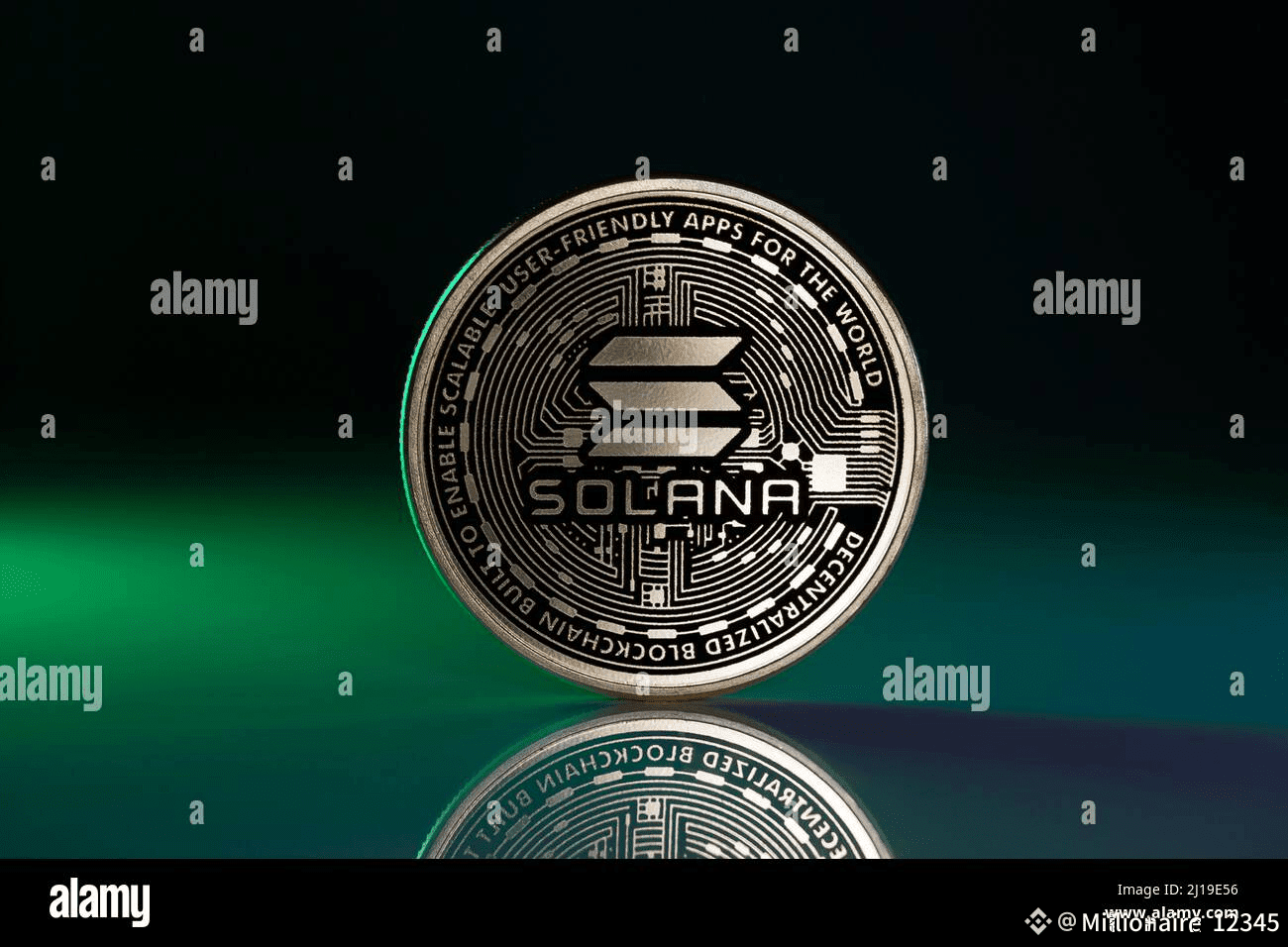
Solana (SOL) is a high-speed, open-source blockchain designed to support decentralized applications, crypto payments, and digital assets at scale. Launched in 2020 by Solana Labs, the network was built to solve one of the biggest challenges in blockchain technology: achieving high throughput without sacrificing decentralization or security.#
At the core of Solana’s architecture is its unique Proof of History (PoH) mechanism, combined with Proof of Stake (PoS). Proof of History creates cryptographic timestamps that allow validators to process transactions more efficiently, drastically reducing confirmation times. This innovation enables Solana to achieve thousands of transactions per second, far exceeding the capabilities of many other major blockchains.
The network’s low transaction fees are another key advantage. While some blockchains face congestion and rising costs, Solana is designed to maintain stable, inexpensive fees even during periods of heavy demand. This makes it attractive for developers building decentralized finance (DeFi) platforms, NFT marketplaces, gaming applications, and other Web3 tools that require fast and reliable performance.
Solana’s ecosystem has experienced significant growth, expanding to include a wide range of dApps, decentralized exchanges, staking platforms, and digital collectibles. Popular projects within the Solana ecosystem have contributed to its vibrant community and increasing adoption among users and developers.
Despite its strengths, Solana has faced challenges, including network outages and periods of instability. However, ongoing upgrades and improvements aim to enhance network resilience and long-term scalability.
Overall, Solana has positioned itself as one of the most innovative and ambitious blockchain platforms in the cryptocurrency landscape. With its combination of speed, affordability, and developer-friendly infrastructure, Solana continues to play a major role in the evolution of decentralized technology and the broader Web3 ecosystem.