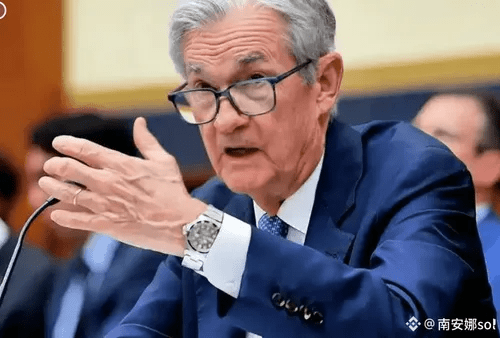
The root of this divergence lies in the direct conflict between the Federal Reserve's two major missions: 'stabilizing prices' and 'full employment'. The hawkish camp (at least 6 votes) believes that inflationary pressures remain strong, with significant rebound pressure on core CPI, and that interest rate cuts could reignite asset bubbles.
On the other hand, the dovish camp (at least 3 votes) is concerned that high interest rates have begun to suppress the job market and credit environment, and excessive tightening could trigger an economic recession.
More complicated is that the Federal Reserve will make decisions in the absence of information. Previously, the U.S. government shutdown delayed the release of key economic data, forcing Federal Reserve officials to 'drive blind'.
What does this internal consensus rupture mean for the market? Simply put, it means more severe volatility and more unpredictable policy paths.
02 The Dilemma and Opportunities of Bitcoin
While the Federal Reserve is embroiled in internal strife, Bitcoin has just experienced a bloodbath. It plummeted from a peak of about $125,000 in early October to a low of around $80,000, a decline of nearly 35%, with the total market value of the entire cryptocurrency market evaporating by about $1 trillion.
But the author's view is that this sharp decline has created space for the subsequent rebound.
Data shows that the correlation between Bitcoin and the Nasdaq index has risen to 46%. This means Bitcoin is viewed as a risk asset by the traditional market, rather than an independent safe-haven tool. During liquidity tightening, it moves in tandem with tech stocks.
However, behind this correlation lies a key fact: When the Federal Reserve's policies become chaotic to a certain extent, funds will start seeking exits outside the traditional financial system.
03 The Truth of Liquidity Contraction
Why would Bitcoin and gold, two assets with different properties, decline simultaneously? According to traditional logic, when risk assets decline, safe-haven assets should rise.
The answer lies in the systemic tension of dollar liquidity. When investors are forced to liquidate all realizable assets to obtain cash, they do not distinguish between good and bad assets. Whether it's high-risk Bitcoin or traditional gold, they will become objects of liquidation.
More critically, those investors who have suffered losses in the stock and cryptocurrency markets must sell profitable or relatively resilient assets (such as gold) to plug margin holes. This creates a vicious cycle.
But the author's observation is that this liquidity contraction is a direct result of the internal divisions within the Federal Reserve. When policymakers themselves are uncertain about the direction, market participants will only panic more.
04 Opportunities in Cracks
Real investment opportunities never lie in consensus but in disagreements. When half of the Federal Reserve officials oppose interest rate cuts, it actually reflects that the uncertainty in the economic fundamentals has reached its peak.
Data shows that long-term Bitcoin holders sold over 800,000 Bitcoins in the past month, the highest level since January 2024. This withdrawal of 'ballast' usually indicates a strengthening of bearish momentum in the short term, but it often also means that we are approaching the bottom area.
The author's analytical framework is:
1. The more severe the internal divisions within the Federal Reserve, the deeper the damage to the credibility of the traditional financial system, making the 'decentralized narrative' of cryptocurrencies even more attractive.
2. The greater the market's skepticism about Bitcoin's safe-haven property, the broader the space for future expectation adjustments.
3. The current regulatory stagnation (such as the US CLARITY bill being stalled in the Senate) is just a temporary phenomenon; once clarified, it will bring new institutional capital inflows.
The future path is clear: the fissures within the Federal Reserve are hard to bridge, with at least three dissenting votes likely in the December meeting. Regardless of whether there are interest rate cuts, the market will welcome a new round of turbulence. But amid the cracks in the traditional financial system, the true value proposition of cryptocurrencies—decentralization, censorship resistance, and global liquidity—will become even more dazzling.
When all the lights go out, fireflies shine the brightest. The chaos of the Federal Reserve is not the death knell for cryptocurrencies, but a catalyst for their maturation.