
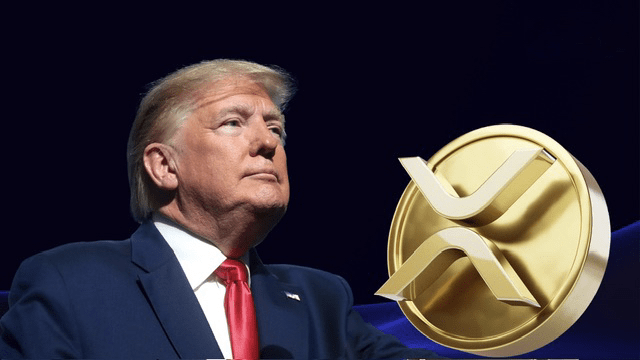


XRP is gaining increasing institutional interest, including in a proposed exchange-traded fund linked to Trump in the cryptocurrency space and the Hashdex Nasdaq cryptocurrency index.
Analysts estimate that more than 500 million XRP tokens have already been accumulated in various cryptocurrency index funds.
The listing of index funds creates a quiet and steady structural demand for XRP, offsetting short-term price slippage and market hesitation.
Ripple is seeking a U.S. national banking charter to provide cryptocurrency custody and settlement services through the regulated banking system.
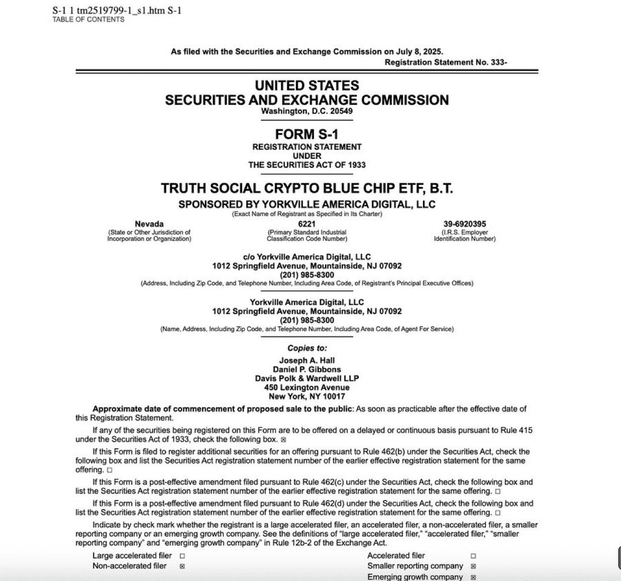
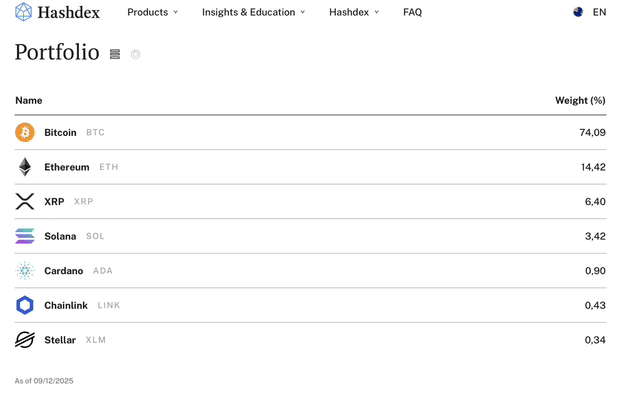
The renewed talk about a cryptocurrency index fund possibly linked to the Truth Social platform has once again drawn attention to $XRP . The circulating SEC Form S-1 model for a potential Crypto Blue Chip ETF shows XRP included among its core assets. Soon, figures on social media highlighted this inclusion. Meanwhile, XRP already holds a weight within active cryptocurrency index products. Data published this week showed that XRP accounts for about 6.4% of the Hashdex Nasdaq Crypto Index. Additionally, the proposed index fund from WisdomTree could elevate XRP's weight to a higher level.
Preliminary estimates suggest that XRP's weight could reach 19% in that fund. Overall, analysts monitoring fund positions estimate that over 500 million XRP tokens are already within the holdings of index funds. This accumulation happened in less than a month. However, the price remains low. This gap between adoption enthusiasm and short-term price performance has created a division within the community.
Index funds add quiet and steady demand.
Institutional flows typically move at a slower pace than the enthusiasm of individual traders. However, they are more important in the long run. Index funds do not trade out of emotion; they allocate weights and rebalance according to specific rules. This creates steady demand instead of sudden jumps. Proponents see that including XRP in several index products adds silent support to the market. Each new fund launch adds structural buying pressure, and each rebalancing may shift more supply to long-term holding.
But critics remain unconvinced. The price of $XRP has declined despite the increase in these holdings. Some traders have begun to wonder if ETF exposure has the same market impact as it did before. Meanwhile, others believe that fund adoption shows its results over months, not days. Current data indicates a clear point: XRP has become a permanent part of the cryptocurrency index economy, and that alone changes how large investors view it.
Ripple's quest for a U.S. banking license raises the stakes.
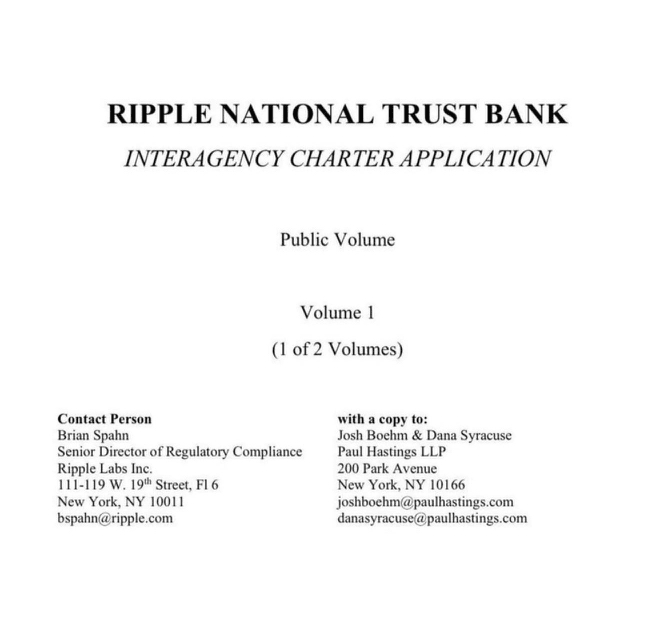
Beyond the buzz of index funds, Ripple is moving towards a much larger goal. The company is actively seeking a national banking charter in the United States. Regulatory filings confirm that Ripple has submitted a joint interagency banking application. If approved, Ripple will operate under federal oversight, allowing it to offer digital asset custody and settlement services directly through the U.S. banking system. Most importantly, it will provide a regulated path to access traditional financing on a large scale.
Proponents believe this move could be a turning point for XRP's long-term utility. Having a licensed U.S. banking structure could open new payment pathways and enhance institutional confidence in Ripple's infrastructure. At the same time, U.S. regulators have previously confirmed that banks can legally operate as intermediaries for digital assets, removing a significant legal barrier. The remaining question now is timing.
Market frequency meets long-term positioning.
Currently, $XRP is in a complex mixture center. On one side, there is increased institutional exposure through index funds. On the other side, Ripple is moving towards acquiring regulated banking status in the United States. However, the market remains hesitant. Prices are retracting, and short-term traders are showing little patience; meanwhile, long-term investors maintain a calm confidence.
This tension defines the current narrative of XRP. On one hand, index funds are quietly building their positions, and regulators are slowly opening doors; on the other hand, banks are preparing their infrastructure while traders are debating the timelines. As a result, XRP lives in two worlds at once: the short-term chart looks burdened, while the long-term picture appears promising. Which of these forces prevails will determine the upcoming chapters of XRP.
#Xrp #TRUMP #BinanceSquareFamily #BinanceSquare #NewsAboutCrypto
