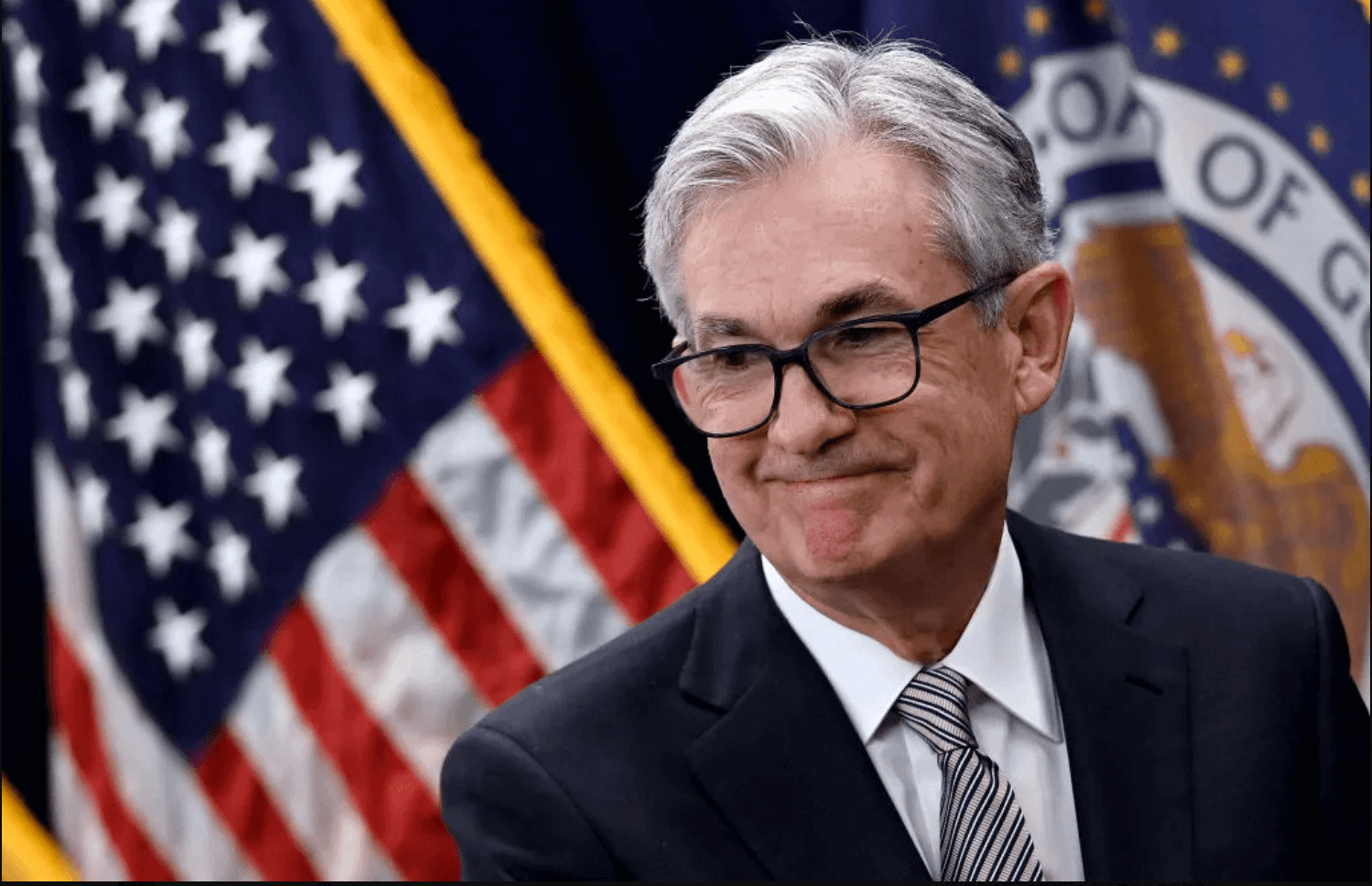
💥💥💥💥I originally planned to stay up late to watch Powell's press conference, but then I thought an old dog can't learn new tricks, so it's better to sleep soundly (this is a show-off, in reality, I'm just too sleepy). Most of the scenarios predicted earlier have come true:
1. It is very rare that three committee members opposed; Milan opposed the 25BP cut because they wanted a more aggressive 50BP cut, while the other two felt that interest rates should not be lowered, hence their opposition.
2. They might feel that their hawkish comments are not being accepted by the market and there is a hedge from Hassert. Although Powell hinted at pausing the rate cuts, it was more dovish than expected. However, as quoted, Powell's dovish tone can only make the stock market cheer temporarily, and it's not good news for the bond market.
3. Apart from the three points expected, it is quite surprising that bond purchases have already resumed, with a plan to buy back 40 billion in the next 30 days, earlier than anticipated. This measure has hedged against potential declines, so U.S. Treasuries are currently relatively stable.
4. The most critical dot plot is dovish, indicating one rate cut in 2026, one rate cut in 2027, and no change in rates in 2028. Compared to the September dot plot, there is one more person who believes rates should be raised in 2026, two fewer who believe rates should remain unchanged, two more who believe rates should be cut, four still believe in two rate cuts, three still believe in three rate cuts, one fewer believes in four rate cuts, and one believes there should be six rate cuts.
Although the overall neutral rate remains unchanged, the situation shows a significant division within the Federal Reserve, potentially the largest rift in 37 years. Three members oppose rate cuts, while seven advocate for no cuts or even more cuts, indicating that the committee no longer has a consensus basis. In this state, the Federal Reserve may find it difficult to continue easing in the short term. Following the pandemic, long-term rates have moved from 2.5% to 3%, and the era of low rates may have completely ended. The future neutral rate is 3%, meaning that even in normal economic times, mortgage rates and corporate bond yields will struggle to return to previous lows.
Overall, this FOMC is essentially playing a balancing act, soothing inflation concerns with hawkish rhetoric of pausing rate cuts while using RMP (Reserve Management Program) invisible QE to ease the liquidity demands of the financial market. However, the overall direction is hopeful, you understand.
#美联储降息